The city credits its Vision Zero strategy and new traffic cameras for reducing the number of deaths and serious injuries on its roads.


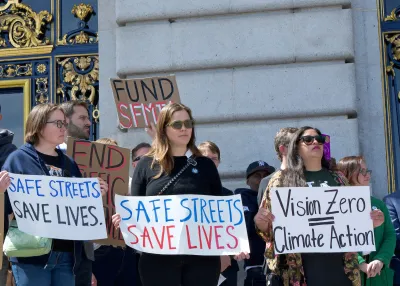
Nearly 12 years after San Francisco pledged to end traffic deaths by 2024, the number of road fatalities dropped to 25 in 2025, a 42 percent decrease from 2024.
As Natalia Gurevich explains in the San Francisco Examiner, “Last year’s total was the third-lowest annual tally since 2015, the lowest since the onset of the COVID-19 pandemic and lower than San Francisco’s typical annual total of about 30 deaths.”
The city installed 33 speed enforcement cameras in 2025, which, according to SFMTA, reduced speeding by 78 percent in the vicinity. “The agency previously released a study in October that revealed speeding had fallen 72%, on average, at 15 camera locations in September compared to a period prior to the cameras’ installation.”
San Francisco’s new Street Safety directive, signed last month by Mayor Daniel Lurie, directs city departments to review and update the city’s framework for recording and categorizing traffic-related injuries and deaths and publish data about its high-injury street network within 100 days.
According to the SFMTA press release, though the number of traffic deaths dropped, pedestrian deaths make up a higher share of all traffic deaths. “Thursday’s release said the SFMTA, SFPD and the public health department will continue to prioritize pedestrian safety and visibility to better assess what areas are more dangerous.”
FULL STORY: Drop in SF traffic deaths last year was largest in 10 years

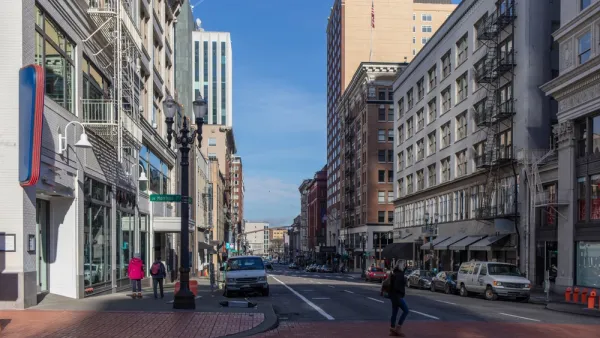
Portland Traffic Deaths Surpass 2022 Number
This year, 69 people have died in traffic crashes in Portland, Oregon, nearly twice as many as in 2018, when the city began its Vision Zero program.
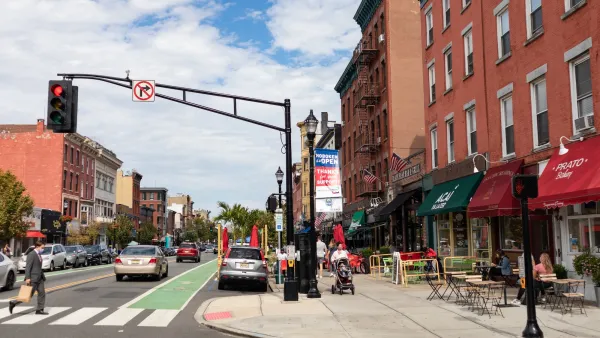
After 30% Spike in 2024, New Jersey Traffic Deaths Drop by 15% in 2025
New Jersey launched the nation’s first statewide Vision Zero plan last year.
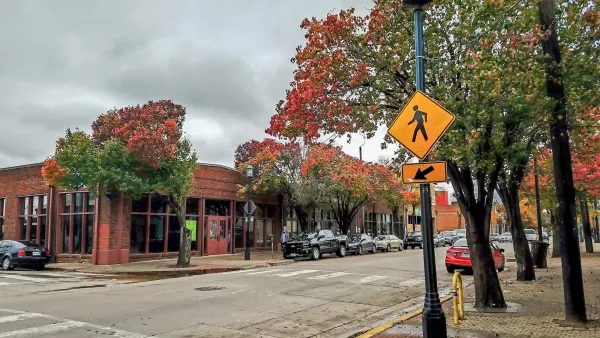
Dallas Cut Traffic Deaths Nearly in Half in 2025
The city saw 107 fatal crashes this year, down from 208 in 2024.

The state-sanctioned urbicide of Austin
People don’t kill cities. Freeways do.

US to reduce Colorado River water deliveries to Mexico
A new Colorado Treaty amendment reduces Mexico’s Colorado River water allocation by 250,000 acre feet.

New Jersey’s second-largest city bans standalone data centers
Jersey City will continue to allow co-location facilities, such as those meant for research institutions that store their own data.

Amtrak not solely to blame for New Jersey commuter rail's unreliability, report finds
A new study from the Garden State Initiative found that NJ Transit’s budget grew 20% across a 4 year period, but reliability declined significantly over the same period.

EPA erases limits on planet-warming pollution from power plants
Under Monday’s plan, power plants would still have some limits on how much mercury, arsenic and other contaminants they can emit.

Phoenix announces new on-demand transit service, more frequent RAPID buses
Both new services will launch in October, and are part of Phoenix's Project Effective Access Solutions for Easing Congestion.

FREE Course: Walkable City 1: Why Walkability?
After describing his path towards focusing on walkability as the essence of good planning, Jeff Speck marches through his five principal reasons for making more walkable places.
Reinventing Malls: Planning Alchemy—Turning Gray Fields Into Gold
The course focuses on the opportunities and imperatives that shape reinvention of mall sites.

Eagle County Government
Harvard University Graduate School of Design
Nashville Planning Department
The Architects Foundation
University of Cincinnati Online
The Pocatello Development Authority
The Urban Renewal Agency of the City of Pocatello
Journal of the American Planning Association