The city saw 107 fatal crashes this year, down from 208 in 2024.


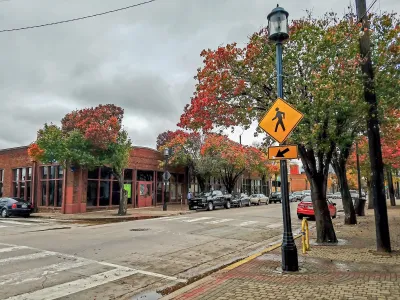
Fatal crashes in Dallas dropped by almost half since 2024 this year, with the city seeing below 200 traffic deaths for the first time since 2019. According to an article by Emma Ruby in the Dallas Observer, “Dallas’ streets saw 107 accidents resulting in fatalities this year, down from 208 in 2024.”
The year will likely be the city’s least deadly since 2015. Dallas launched its Vision Zero plan in 2019, with the goal of eliminating traffic deaths by 2030.
The Dallas Vision Zero dashboard reveals that more than half of the city’s severe crashes occur on just 7 percent of its roads. The city is working to study and implement safety improvements on those corridors. Melissa Kingston, a city plan commissioner who also helped lead a multi-year audit of the city’s street design processes as part of the Street Design Manual Work Group, says the city’s outdated, car-centric approach to road design needs to change to facilitate safer streets.
Read the full story: Dallas Traffic Fatalities Fall by Nearly Half in 2025

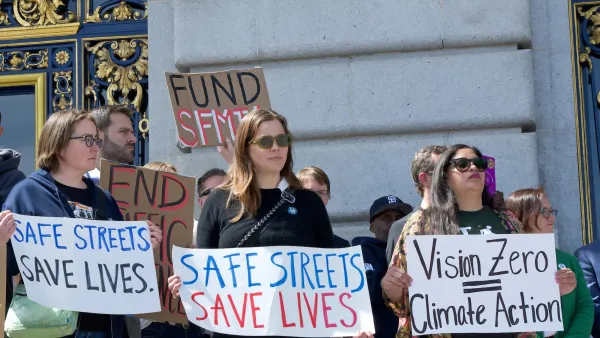
San Francisco Cut Traffic Deaths Almost in Half in 2025
The city credits its Vision Zero strategy and new traffic cameras for reducing the number of deaths and serious injuries on its roads.
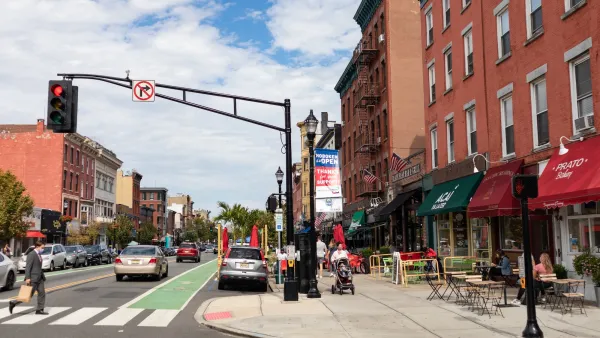
After 30% Spike in 2024, New Jersey Traffic Deaths Drop by 15% in 2025
New Jersey launched the nation’s first statewide Vision Zero plan last year.
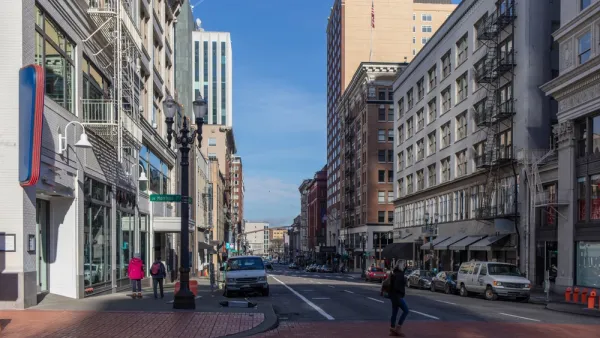
Portland Traffic Deaths Surpass 2022 Number
This year, 69 people have died in traffic crashes in Portland, Oregon, nearly twice as many as in 2018, when the city began its Vision Zero program.

Planetizen Federal Action Tracker
A weekly monitor of how Trump’s orders and actions are impacting planners and planning in America.

California plans to bury El Niño’s downpour
If the state plays its cards right, it may be able to store a billion acre-feet of El Niño’s water in aquifers.

Chicago breaks ground on $3 billion megadevelopment
The new neighborhood, titled Foundry Park, will one day host 3,700 residences.

California High-Speed Rail Authority CEO resigns after $600,000 scandal
Under Ian Choudri, the authority used taxpayer dollars to fund first class flights and trips to nightclubs.

Want to study the Missouri River? Soon, you may need unanimous approval from 10 states
Legislation would require 10 governors’ permission to study or build projects moving water outside the basin.

Desperate measures: Advocates weigh draining Lake Powell to fill Colorado River
Draining the reservoir could reduce evaporation losses by a couple hundred thousand acre-feet.

FREE Course: Walkable City 1: Why Walkability?
After describing his path towards focusing on walkability as the essence of good planning, Jeff Speck marches through his five principal reasons for making more walkable places.
Reinventing Malls: Planning Alchemy—Turning Gray Fields Into Gold
The course focuses on the opportunities and imperatives that shape reinvention of mall sites.

City of Rosemead
Rutgers University, Edward J. Bloustein School of Planning and Public Policy
One Hundred Miles
Hunter College, City University of New York (CUNY)
The Architects Foundation
University of Cincinnati Online
City of Cambridge
Montrose County
The Pocatello Development Authority