The chaos that ensued when San Francisco traffic lights went dark reveals autonomous cars’ lack of preparation for serious disasters and emergencies.


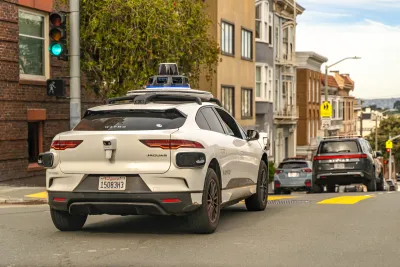
Waymo’s response to a power outage in San Francisco is raising questions about how robotaxis would deal with a more severe emergency like an earthquake, reports Abhirup Roy for Reuters.
When the city’s traffic lights went out last week, dozens of Waymo vehicles were stalled at intersections, unsure how to proceed and blocking other traffic. “The incident has renewed calls for stricter regulation of the nascent but fast-growing industry as other companies including Tesla and Amazon's Zoox race to expand robotaxi services in several cities.”
Philip Koopman, a Carnegie Mellon University computer-engineering professor and autonomous-technology expert, says regulators “are derelict” in their duties if they don’t require proof from robotaxi operators that their vehicles are trained to handle an earthquake or other emergency scenario.
The power outage highlighted the limitations of Waymo’s human-assisted “fleet response,” which couldn’t keep up with the demand for assistance during the blackout. California’s Department of Motor Vehicles says it is talking with operators and developing regulations for remote drivers to ensure “high standards of safety, accountability and responsiveness.”
FULL STORY: Analysis-Waymo's San Francisco outage raises doubts over robotaxi readiness during crises

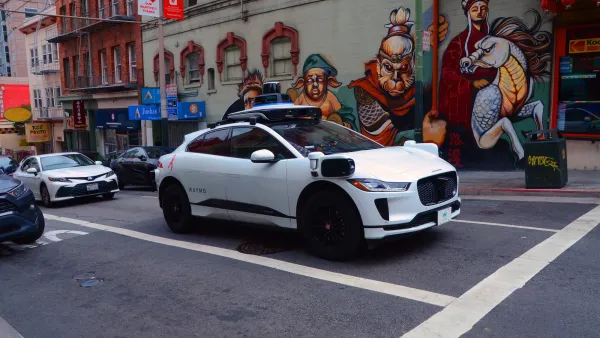
Feds say robotaxis interfering with first responders is a 'functional insufficiency,' demand solutions by August
The NHTSA issued a letter to autonomous carmakers, noting that 'Every second matters when law enforcement officers, firefighters, or paramedics are answering a call.'
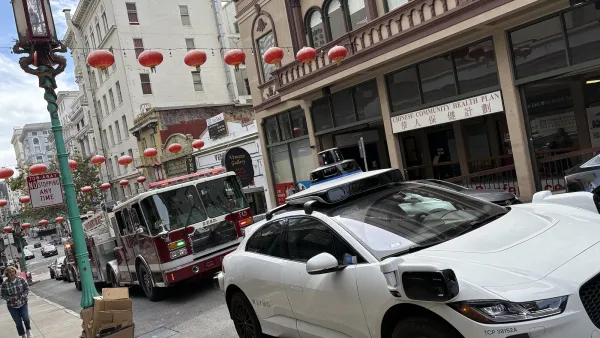
After Self-Driving Taxis Hinder Emergency Response, Governors Highway Safety Association and Waymo Issue Guide for First Responders
The guide trains public servants on how to interact with autonomous cars.
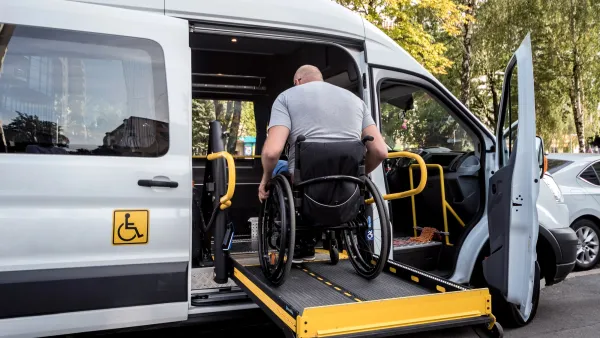
DC's robotaxi bill stays silent on accessibility
A 24-page bill addresses safety, permitting and consumer rights — but fails to mention wheelchairs or accessible vehicles.

Planetizen Federal Action Tracker
A weekly monitor of how Trump’s orders and actions are impacting planners and planning in America.

The state-sanctioned urbicide of Austin
People don’t kill cities. Freeways do.

US to reduce Colorado River water deliveries to Mexico
A new Colorado Treaty amendment reduces Mexico’s Colorado River water allocation by 250,000 acre feet.

5 New England states march closer to 800 megawatt wind energy project
Securing federal approval for the project may be complicated under the Trump administration, which has historically been hostile towards domestic wind power.

Baltimore to break ground on $50 million Transit Priority Project
The project will bring faster bus trips, safer streets and better bike connections to Baltimore.

Airbnb launches $250 million 'last-dollar financing' housing accelerator, makes first investment in Austin
The company will put $6.4 million towards affordable housing development in Texas’ capital.

FREE Course: Walkable City 1: Why Walkability?
After describing his path towards focusing on walkability as the essence of good planning, Jeff Speck marches through his five principal reasons for making more walkable places.
Reinventing Malls: Planning Alchemy—Turning Gray Fields Into Gold
The course focuses on the opportunities and imperatives that shape reinvention of mall sites.

Eagle County Government
Harvard University Graduate School of Design
Nashville Planning Department
The Architects Foundation
University of Cincinnati Online
The Pocatello Development Authority
The Urban Renewal Agency of the City of Pocatello
Journal of the American Planning Association