Two proposals from the Trump DOT would eliminate a federal mass transit fund and make it harder for states to allocate funding to transit projects.


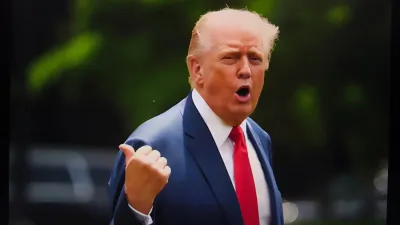
The U.S. Department of Transportation submitted two proposals that would eliminate the federal Mass Transit Fund and make it harder for states to fund transit projects, according to reporting by Chris Marquette in Politico. One proposal would eliminate the mass transit portion of the Highway Trust Fund and reallocate the money to road projects. A second would “eliminate the Federal Highway Administration's eligibility to fund transit projects and wants to prohibit states from using highway formula dollars for transit projects.”
In response, Transportation for America (T4A) and the American Public Transportation Association (APTA) issued statements strongly condemning the proposed cuts. Transportation for America called the proposals short-sighted, saying it would “annihilate state and local transportation budgets, strand millions of Americans who depend on transit every day in red and blue states alike, produce chaos and increase congestion, seize control from states, and utterly fail to actually solve our most pressing long-term transportation funding issues.”
APTA’s statement urges President Trump to reject the “misguided” proposals, saying, “President Trump is a builder and knows smart investments—every $1 invested in public transit generates $5 in long-term economic returns and 77 percent of federal investments flow to the private sector. We believe he recognizes the power of transit investment to strengthen American competitiveness; create family-wage jobs and increase opportunities for working-class people; ensure safe, secure, and accessible transportation; and foster innovation by supporting cutting-edge technologies.”
FULL STORY: Trump administration proposals seek to eliminate transit funding

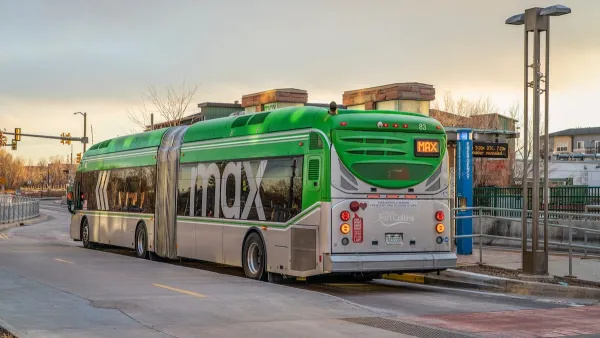
Colorado Lawmakers Move to Protect BRT Funding
In the face of potential federal funding cuts, CDOT leaders reasserted their commitment to planned bus rapid transit projects.
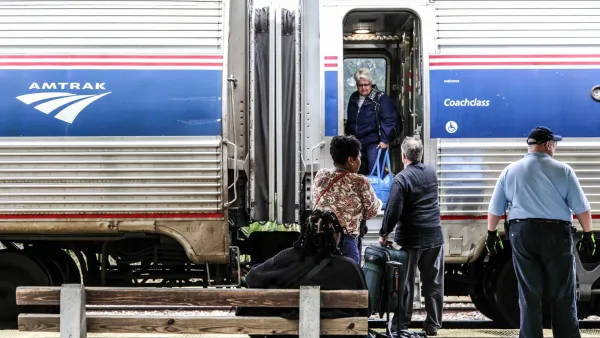
Trump budget slashes passenger rail funding by 82%
The White House's proposed FY2027 budget makes drastic cuts to public transit and eliminates high-speed rail funding altogether.
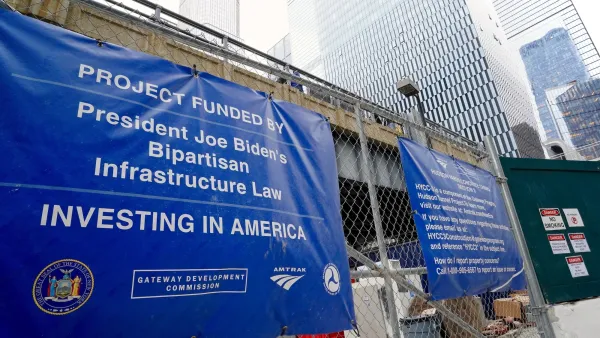
NYC-NJ Gateway Tunnel Project to Stop Work Next Week if DOT Doesn’t Release Funding
The federal government hasn’t released funding frozen during last October’s government shutdown.

The state-sanctioned urbicide of Austin
People don’t kill cities. Freeways do.

US to reduce Colorado River water deliveries to Mexico
A new Colorado Treaty amendment reduces Mexico’s Colorado River water allocation by 250,000 acre feet.

New Jersey’s second-largest city bans standalone data centers
Jersey City will continue to allow co-location facilities, such as those meant for research institutions that store their own data.

Amtrak not solely to blame for New Jersey commuter rail's unreliability, report finds
A new study from the Garden State Initiative found that NJ Transit’s budget grew 20% across a 4 year period, but reliability declined significantly over the same period.

EPA erases limits on planet-warming pollution from power plants
Under Monday’s plan, power plants would still have some limits on how much mercury, arsenic and other contaminants they can emit.

Phoenix announces new on-demand transit service, more frequent RAPID buses
Both new services will launch in October, and are part of Phoenix's Project Effective Access Solutions for Easing Congestion.

FREE Course: Walkable City 1: Why Walkability?
After describing his path towards focusing on walkability as the essence of good planning, Jeff Speck marches through his five principal reasons for making more walkable places.
Reinventing Malls: Planning Alchemy—Turning Gray Fields Into Gold
The course focuses on the opportunities and imperatives that shape reinvention of mall sites.

Eagle County Government
Harvard University Graduate School of Design
Nashville Planning Department
The Architects Foundation
University of Cincinnati Online
The Pocatello Development Authority
The Urban Renewal Agency of the City of Pocatello
Journal of the American Planning Association