The system’s four-person team handles roughly 15,000 lost items every year.


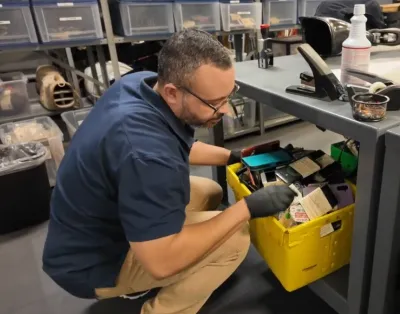
In a blog post on Metro’s The Source, Mey Lyn Mitteenn highlights the work of the Los Angeles Metro’s Lost & Found team, which handles roughly 15,000 items every year. “At Metro’s Lost & Found, about four employees keep the operation running smoothly. Once items arrive the team sorts and categorizes the items, then carefully labels and stores everything in its designated area. This year, Metro also introduced new software to help track and organize lost items more efficiently.”
The four-person team processes each item, which range from the usual cell phones and glasses to skateboards, engagement rings, and even a prosthetic leg. “There are many happy stories, however 75% of the objects that arrive at our Lost & Found are never claimed,” says Metro. Metro holds lost property for 90 days, after which items are sold at auction. One exception, bicycles, are donated to Metro’s Adopt-a-Bike program.
Read the full story: Behind the scenes at Metro’s Lost & Found: The Department that handles 15,000 forgotten items a year

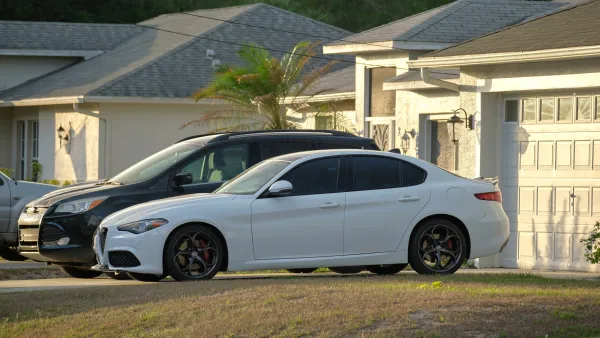
LA Metro is paying Angelenos up to $600 to leave their car at home
Metro will pay around 2,000 households to participate in a program designed to shift travel modes away from private car trips to transit, biking, walking and shared mobility.
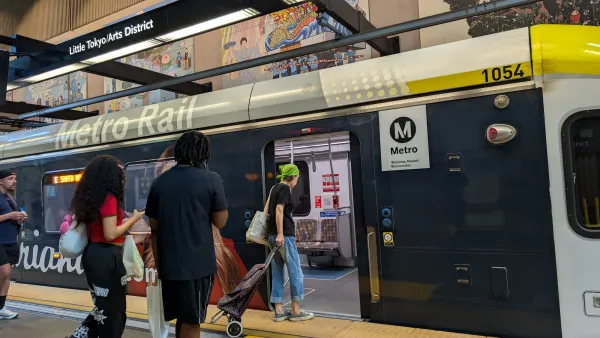
LA mayor wants to make transit fare-free
Los Angeles Mayor Karen Bass says she wants to develop a long-term strategy to make Metro free during her term as chair of the Metro board of directors.
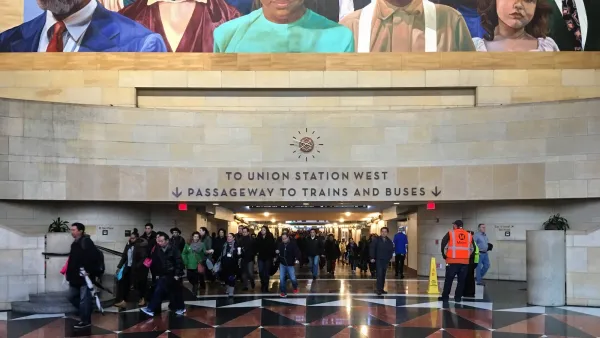
Weekend ridership on LA's D Line surged 80% after extension opened
World Cup attendees took roughly 45,000 rides to and from the first two games at the Los Angeles Stadium.

Planetizen Federal Action Tracker
A weekly monitor of how Trump’s orders and actions are impacting planners and planning in America.

Amtrak, CN end decades-long dispute with eight-year agreement
The new operating agreement establishes an updated framework for the companies to work together, including processes to resolve disputes.

Northwest rail fans eager for Sept. 30 debut of Amtrak’s Airo fleet
Get ready for that new train smell and more seats. But they won’t go faster or run more frequently on the Cascades route in Washington and Oregon.

Trump administration unlawfully slashed $7 billion in clean energy grants, judge rules
The Environmental Protection Agency ended the Solar For All program, which provided the grants, after President Donald Trump’s inauguration.

Record-breaking wildlife overpass in Colorado brings 91% reduction in animal collisions
Prior to the overpass, vehicles were hitting one deer per day on Colorado’s Interstate 25.

California lawmakers approve just 5% of much-needed LA28 transportation funding
State legislators appear just as unwilling as Trump to pay for Olympics-related transportation projects.

FREE Course: Walkable City 1: Why Walkability?
After describing his path towards focusing on walkability as the essence of good planning, Jeff Speck marches through his five principal reasons for making more walkable places.
Reinventing Malls: Planning Alchemy—Turning Gray Fields Into Gold
The course focuses on the opportunities and imperatives that shape reinvention of mall sites.

City of Thousand Oaks
City of Wisconsin Rapids
Harvard University Graduate School of Design
The Architects Foundation
University of Cincinnati Online
The Pocatello Development Authority
The Urban Renewal Agency of the City of Pocatello