The Artist Space Trust has received $10 million in properties bequeathed by artists that will become permanently affordable housing.


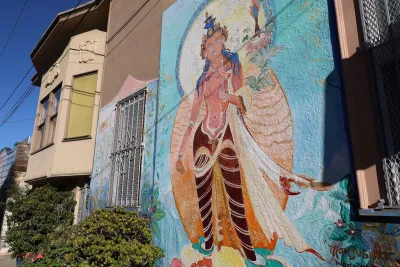
A Bay Area nonprofit is using the community land trust model to secure permanently affordable, community-owned housing and studios for artists. According to an article by Eliana Perozo in Next City, Artist Space Trust uses the same strategies as other land trusts to acquire properties that can be rented to people working in the arts industry at affordable rates.
In an interview with Next City, AST director Meg Shiffler said “We’ve accumulated $10 million in properties that have been bequeathed to us. Our model is built on mutual aid, not exclusively, but at the core of what we’re doing is building a portfolio through mutual aid.” All of the donors are artists themselves, says Shiffler, who were able to buy property at a time when it was much more affordable.
Despite the challenges of building capacity and finding funding, Shiffler says AST is growing and hopes to become a national model for community land trusts for creative workers. “I think we can become a powerful national advocacy and awareness group around artist housing. We have to prove that it’s successful and that we can change local policy here in California first.”
FULL STORY: A Bay Area Land Trust’s Pioneering Model Protects Artists From Displacement

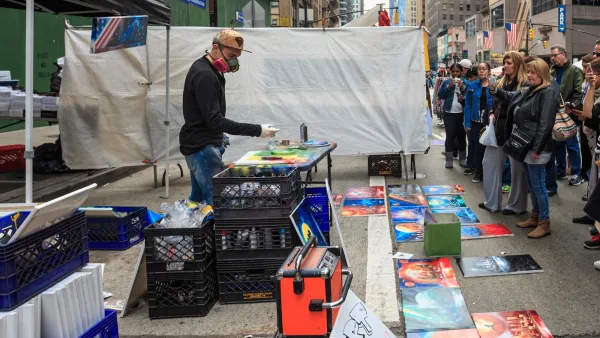
NYC has Lost 4% of its Resident Artists Since 2019
Advocates argue the city should build more affordable housing reserved for artists, who are being increasingly priced out.
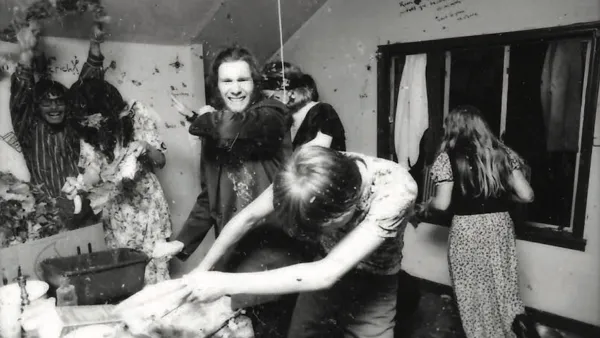
San Francisco is in a “Doom Loop.” A Legendary Artist and Burning Man Founder Knows how to Revive it.
Artists made San Francisco what it was. They might just be the key to its future.
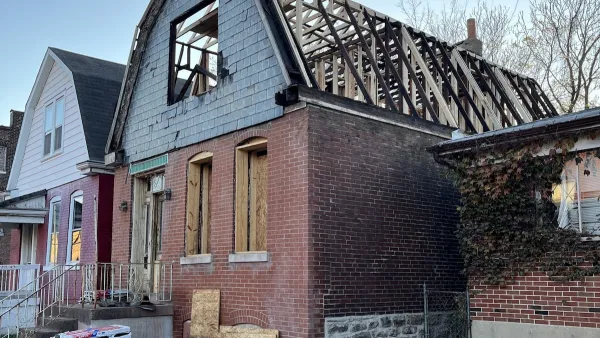
St. Louis Nonprofit Builds Housing for Struggling Artists
The St. Louis Art Place Initiative purchases city-owned vacant properties and rehabilitates them, offering homeownership opportunities to local artists.

The state-sanctioned urbicide of Austin
People don’t kill cities. Freeways do.

US to reduce Colorado River water deliveries to Mexico
A new Colorado Treaty amendment reduces Mexico’s Colorado River water allocation by 250,000 acre feet.

New Jersey’s second-largest city bans standalone data centers
Jersey City will continue to allow co-location facilities, such as those meant for research institutions that store their own data.

Amtrak not solely to blame for New Jersey commuter rail's unreliability, report finds
A new study from the Garden State Initiative found that NJ Transit’s budget grew 20% across a 4 year period, but reliability declined significantly over the same period.

EPA erases limits on planet-warming pollution from power plants
Under Monday’s plan, power plants would still have some limits on how much mercury, arsenic and other contaminants they can emit.

Phoenix announces new on-demand transit service, more frequent RAPID buses
Both new services will launch in October, and are part of Phoenix's Project Effective Access Solutions for Easing Congestion.

FREE Course: Walkable City 1: Why Walkability?
After describing his path towards focusing on walkability as the essence of good planning, Jeff Speck marches through his five principal reasons for making more walkable places.
Reinventing Malls: Planning Alchemy—Turning Gray Fields Into Gold
The course focuses on the opportunities and imperatives that shape reinvention of mall sites.

Eagle County Government
Harvard University Graduate School of Design
Nashville Planning Department
The Architects Foundation
University of Cincinnati Online
The Pocatello Development Authority
The Urban Renewal Agency of the City of Pocatello
Journal of the American Planning Association