Monterey Park’s first-ever Parks System Master Plan offers a community-driven roadmap for creating more equitable, accessible, and vibrant public spaces.


The City of Monterey Park has adopted its first-ever Parks System Master Plan, marking a historic step in shaping the future of its parks, recreation facilities, and open spaces. Developed in collaboration with the design and planning firm City Fabrick and supported by Los Angeles County Measure A funding, the plan establishes a clear, long-term vision for a more equitable and sustainable park system. It outlines priorities for park improvements, new amenities, and expanded programming, ensuring that the city’s investments reflect the needs and aspirations of its diverse community.
Community engagement was central to the plan’s development. Over the course of 2024 and early 2025, residents contributed input through online surveys, pop-up events at major community gatherings, open houses at local parks, and targeted focus groups. Park audits and field assessments provided additional insight into current conditions and opportunities for improvement. This multi-faceted outreach process ensured that the plan reflects perspectives from all corners of the community, including historically underserved groups.
With the plan now in place, Monterey Park is poised to move forward with strategic park enhancements that prioritize access, quality, and equity. As the city’s first comprehensive guide to its park system, the Master Plan will direct funding, design, and programming decisions for years to come. By blending technical expertise from City Fabrick with robust resident engagement, Monterey Park has created a blueprint that other cities can look to when seeking to make their park systems even more inclusive, resilient, and responsive to community needs.
FULL STORY: Parks Master Plan to Shape the Future of City’s Open Spaces


Reflections on Representation and Legacy in Parks and Public Service
In a personal reflection for Asian American and Pacific Islander Heritage Month, planner Clement Lau explores how cultural identity, public service, and a commitment to equity have shaped his career in parks, community planning, and sustainability.
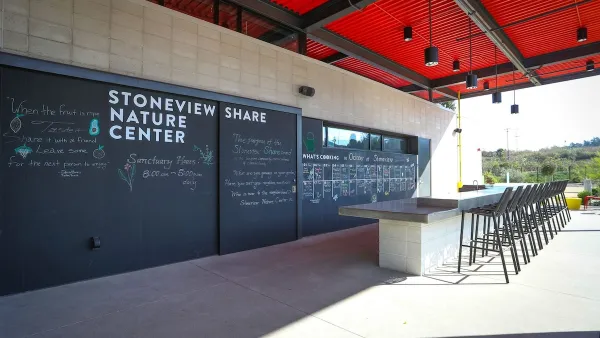
How LA County Parks are Fostering Equity
Los Angeles County's Department of Parks and Recreation actively engages the public through diverse methods to ensure parks and recreation programming align with community needs and priorities.

How Local Parks Promote Equitable Outdoor Access
Targeted investments in local parks, improved infrastructure, and enhanced transit connectivity are essential strategies to close the nature gap and ensure equitable outdoor access for underserved communities.

The state-sanctioned urbicide of Austin
People don’t kill cities. Freeways do.

US to reduce Colorado River water deliveries to Mexico
A new Colorado Treaty amendment reduces Mexico’s Colorado River water allocation by 250,000 acre feet.

New Jersey’s second-largest city bans standalone data centers
Jersey City will continue to allow co-location facilities, such as those meant for research institutions that store their own data.

Amtrak not solely to blame for New Jersey commuter rail's unreliability, report finds
A new study from the Garden State Initiative found that NJ Transit’s budget grew 20% across a 4 year period, but reliability declined significantly over the same period.

EPA erases limits on planet-warming pollution from power plants
Under Monday’s plan, power plants would still have some limits on how much mercury, arsenic and other contaminants they can emit.

Phoenix announces new on-demand transit service, more frequent RAPID buses
Both new services will launch in October, and are part of Phoenix's Project Effective Access Solutions for Easing Congestion.

FREE Course: Walkable City 1: Why Walkability?
After describing his path towards focusing on walkability as the essence of good planning, Jeff Speck marches through his five principal reasons for making more walkable places.
Reinventing Malls: Planning Alchemy—Turning Gray Fields Into Gold
The course focuses on the opportunities and imperatives that shape reinvention of mall sites.

Eagle County Government
Harvard University Graduate School of Design
Nashville Planning Department
The Architects Foundation
University of Cincinnati Online
The Pocatello Development Authority
The Urban Renewal Agency of the City of Pocatello
Journal of the American Planning Association