Blind spots created by thicker pillars built to withstand rollover crashes are creating dangerous conditions for people outside vehicles.


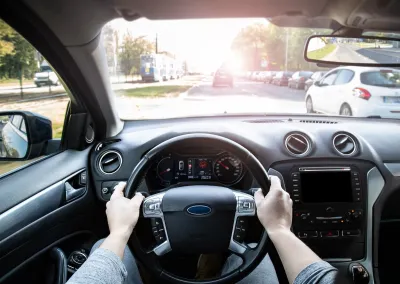
We know cars are getting bigger — but they’re also becoming much harder to see out of, writes David Zipper in Bloomberg CityLab.
Zipper points to one major culprit: the A-pillar, the part of a car’s frame that blocks a driver’s vision out their windshield. “For passengers, thicker A-pillars provide protection in the event of a rollover, preventing the roof from caving in. But their girth can also expand driver blind spots, exacerbating danger for the pedestrians and cyclists who have been dying at record-setting levels on US roadways,” Zipper explains.
Because carmakers focus on the safety of those inside vehicles and A-pillars help prevent injury in rollovers, they are getting bigger at the expense of pedestrians. However, studies show that rollover crashes are on the decline thanks to electronic stability control, making stronger roofs less important.
Meanwhile, “If the safety effects of stronger A-pillars is neutral to positive for vehicle occupants, the converse is true for those walking, biking or inside other cars.” Blind zones in most car models are expanding, and federal regulators do not seem poised to step in anytime soon. According to Matt Reed, an engineering professor at the University of Michigan, “the complexity of calculating the size and danger of A-pillar blind zones presents a formidable regulatory obstacle” because of the cost-benefit analysis required for federal rulemaking.
Read the full story: Why Did Cars Get So Hard to See Out Of?
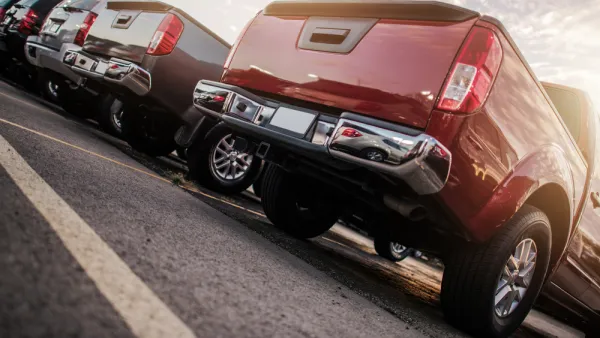
Carzilla: How Huge SUVs and Trucks Hurt Pedestrians and Walkable Communities
Ever wonder where the supersizing of cars is going to end? Kaid Benfield dives deep into the subject and suggests five actions we can take to get to a safer spot in the road.

Blinded by the Light: When Brighter Headlights Decrease Safety
Bright LED headlights can create glare and reduce visibility for other drivers and pedestrians.
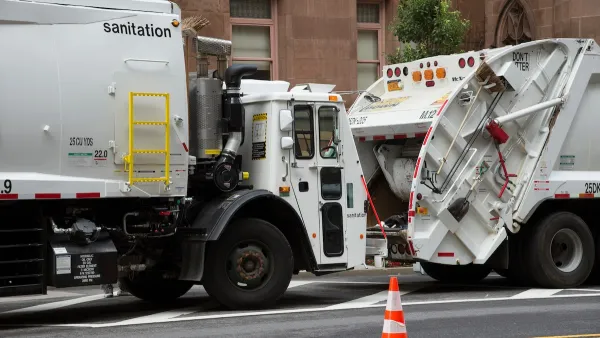
How the ‘Direct Vision’ Design Approach Saves Lives
Designing large trucks to ensure better visibility for drivers can reduce fatal crashes and improve workplace safety.

Planetizen Federal Action Tracker
A weekly monitor of how Trump’s orders and actions are impacting planners and planning in America.

California plans to bury El Niño’s downpour
If the state plays its cards right, it may be able to store a billion acre-feet of El Niño’s water in aquifers.

Desperate measures: Advocates weigh draining Lake Powell to fill Colorado River
Draining the reservoir could reduce evaporation losses by a couple hundred thousand acre-feet.

Chicago voters approve permanent festival grounds, penalty for vacant property owners
Currently, major summer and fall festivals take over public parks for weeks at a time, drawing criticism from nearby residents

NYC votes to cut outdoor dining red tape, speed up permitting
New York City also voted to allow the Department of Transportation to begin work on urgent projects before notifying elected officials.

California appears to reject Prop. 45
The proposition would have expanded the projects that qualify for a streamlined environmental review, effectively paring down the California Environmental Quality Act.

FREE Course: Walkable City 1: Why Walkability?
After describing his path towards focusing on walkability as the essence of good planning, Jeff Speck marches through his five principal reasons for making more walkable places.
Reinventing Malls: Planning Alchemy—Turning Gray Fields Into Gold
The course focuses on the opportunities and imperatives that shape reinvention of mall sites.

City of Rosemead
Rutgers University, Edward J. Bloustein School of Planning and Public Policy
One Hundred Miles
Hunter College, City University of New York (CUNY)
The Architects Foundation
University of Cincinnati Online
City of Cambridge
Montrose County
The Pocatello Development Authority