A group of friends decided to buy land and finance the construction of a custom-built apartment building with unique apartment layouts and sizes and a wealth of shared amenities.


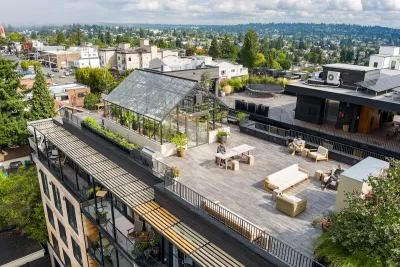
In an article in Fast Company, Adele Peters profiles a group of Seattle friends who banded together to build their own apartment building.
The group of 11 families developed a plan for what their building could look like, complete with a range of apartment sizes and shared spaces. “A huge rooftop deck includes a large greenhouse with dining tables inside and a firepit outside. (The building, appropriately, is named Shared Roof.) There’s a guest suite that residents can use for visitors. A soundproof room is designed for kids to practice drums or play in bands.”
The building is on track to receive a LEED Platinum certification for sustainability thanks to its solar panels, heat pumps, and other energy-saving features. The bottom floor includes retail space for local businesses. The original tenants were also given the option to invest in the project.
For Chad Dale, one of the original tenants, the building offers both convenience and community. “Apartment living is pretty incredible. In terms of function and livability, it’s actually maybe the best way to live, particularly when you’re in an environment where there are other people that you enjoy being around.”
FULL STORY: In Seattle, a group of friends wanted to live together—so they built their own apartment building

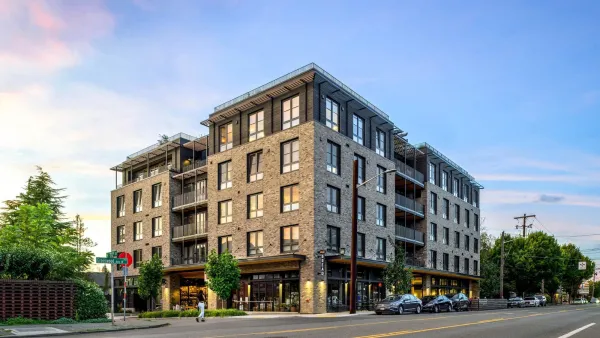
Seattle Developer Builds 35-unit Co-housing Complex for his Friends
The building offers private apartments with shared amenities and reserves 20% of units for moderate-income families.

Seattle has Built Over 14,000 Affordable Units Since 2020 — More Than Any Other US Metro
Despite being ahead of other cities, Seattle is still short more than 150,000 affordable units.
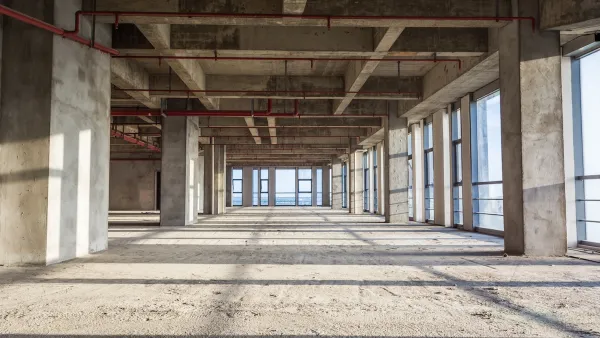
Dorm-Style Housing: A Solution for DC’s Vacant Office Buildings
Adapting office buildings to dorm-style housing with shared spaces is a much more affordable option than repurposing offices into apartments.

Planetizen Federal Action Tracker
A weekly monitor of how Trump’s orders and actions are impacting planners and planning in America.

The state-sanctioned urbicide of Austin
People don’t kill cities. Freeways do.

US to reduce Colorado River water deliveries to Mexico
A new Colorado Treaty amendment reduces Mexico’s Colorado River water allocation by 250,000 acre feet.

5 New England states march closer to 800 megawatt wind energy project
Securing federal approval for the project may be complicated under the Trump administration, which has historically been hostile towards domestic wind power.

Baltimore to break ground on $50 million Transit Priority Project
The project will bring faster bus trips, safer streets and better bike connections to Baltimore.

Airbnb launches $250 million 'last-dollar financing' housing accelerator, makes first investment in Austin
The company will put $6.4 million towards affordable housing development in Texas’ capital.

FREE Course: Walkable City 1: Why Walkability?
After describing his path towards focusing on walkability as the essence of good planning, Jeff Speck marches through his five principal reasons for making more walkable places.
Reinventing Malls: Planning Alchemy—Turning Gray Fields Into Gold
The course focuses on the opportunities and imperatives that shape reinvention of mall sites.

Eagle County Government
Harvard University Graduate School of Design
Nashville Planning Department
The Architects Foundation
University of Cincinnati Online
The Pocatello Development Authority
The Urban Renewal Agency of the City of Pocatello
Journal of the American Planning Association