Explore the future of EV charging in cities and discover urban planning strategies for integrating electric vehicle infrastructure and promoting sustainable transportation.



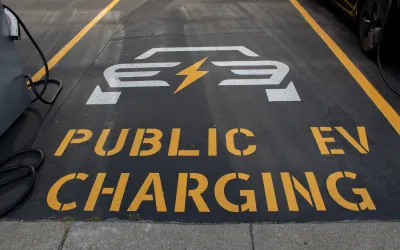
Electric vehicle (EV) adoption is growing worldwide, so urban planners must include them in infrastructure proposals. While some cities are expanding, others need retrofitting to fit charging stations. What innovative solutions will ensure a smooth transition?
1. Properly planning placement
Before drivers can enjoy chargers, urban planners must strategically place them. Research will determine the best locations, accounting for traffic patterns and population projections. Areas with higher EV adoption are a priority because they would use the devices most frequently.
Los Angeles is an EV-friendly city with over 72,000 chargers countywide. Urban planners scouting for new locations must consider where electric car adoption is high, such as downtown or Westlake.
2. Retrofitting existing infrastructure
Older cities may be more challenging for EVs because less room is available for cars and charging stations. Therefore, urban planners must be creative to avoid high costs and disruption. Future designs could take advantage of parking garages or repurpose old phone booths.
Boston is an excellent example, as its narrow streets and grid pattern mean some residents do not own cars. Beantown EV owners are benefiting from curbside installations in their neighborhoods.
3. Installing fast chargers
Charging an electric car requires more time than filling up a gas tank. If EV adoption grows, more drivers could wait in line and cause port congestion. Urban planners should include fast chargers in future developments to reduce session times and prevent unnecessary traffic.
Installation plans should include Tesla Superchargers, which can charge above 180 kW in the highest tier. While the devices were exclusive, they now support EVs from different brands. As technologies improve, urban planners might utilize wireless charging and other innovations.
4. Maintaining grid stability
EV growth means residents will use more electricity to charge their vehicles. How will the grid react to the increased demand? Urban planners must account for municipal power sources to avoid overloading and mass outages.
Future developments should prioritize smart chargers due to their optimization skills, ensuring each session minimizes grid impact and reduces user costs. Stabilization can also originate from renewable energy sources to manage demand efficiently.
5. Considering generational trends
Future developments may consider who will live in the area and what cars they drive. Experts say millennials are establishing themselves in the job market and growing their share as baby boomers retire. If they bring Nissan Leafs to an area, urban planners should account for their unique charging needs.
Sedans are smaller and easier to navigate through cities, but urban planners should account for trucks and SUVs. A 2024 report said the Ford F-Series is the sixth-most popular vehicle among millennials, so stations must make room for future electric trucks.
The challenges of planning charging stations
While EV adoption can make cities greener, urban planners may face obstacles in their development. They must balance accessibility, aesthetics, and sustainability without compromising. Here are a few ways they can accomplish this goal:
- Accessibility: Americans with Disabilities Act compliance and input from disability advocacy groups can shape future EV charging station planning and increase inclusiveness.
- Aesthetics: Aesthetics are integral to the urban fabric, especially the area surrounding EV chargers. Planners can incorporate bike lanes and public art.
- Sustainability: Building the charging station should include locally sourced materials and renewable energy sources, such as solar panels.
Red tape is another crucial barrier. If funding is limited, planners should utilize public-private partnerships to raise capital and leverage expertise. Public investment may become manageable through grants and tax credits that reduce deployment costs and encourage EV adoption.
Carefully crafted policy proposals are another step when building charging stations. Urban planners should incorporate chargers into existing zoning and land use policies to facilitate approval. Modifying building codes is crucial, so cities must mandate EV chargers in new constructions or building renovations.
Incorporating EV chargers into urban planning
Charging stations must grow with EV adoption, so urban planners must be mindful of their future developments. Integration starts with optimal placement, though professionals should consider smart technology and renewable energy. Building for the long term will help community sustainability and adoption as more electric cars enter the fold.

Walmart Announces Nationwide EV Charging Network
The company plans to install electric car chargers at most of its stores by 2030.
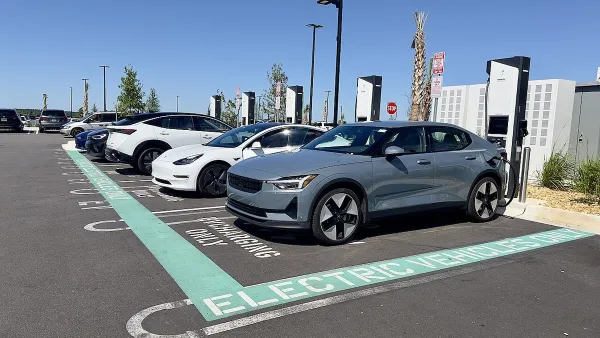
Florida Law Bars Cities From Regulating EV Chargers
Under the new law, cities cannot require charging infrastructure in local codes.
'Charging as a Service' Could Accelerate Decarbonization
The proliferation of private EV charging services, coupled with federal investment in charging stations, has the potential to reduce 'charging anxiety' and encourage a faster switch to electric vehicles.

Washington state to charge fee to drivers with fuel-efficient cars
Revenue from the fee will go towards supporting the state’s highways.

Illinois considers spending $1 billion in taxpayer money on data center
A quantum computing campus and data center are currently under construction in Chicago.

Trump to blast ‘hydrocarbon highway’ through ‘world’s longest art gallery’
Environmental and historic preservation groups are suing to stop the project.

NYC, state sue feds over mixed-immigration-status housing assistance rule
The state’s lawsuit argues that the rule change violates the Administrative Procedure Act.

Michigan to turn neighborhood into virtual power plant
Residents will soon be able to divert their excess energy to the grid in exchange for compensation.

Data center, mining project swarm to long-awaited Alaska railroad line
The state-owned railroad approved final plans for the spur line this week; the project is expected to cost $311 million, mostly funded by the federal government

FREE Course: Walkable City 1: Why Walkability?
After describing his path towards focusing on walkability as the essence of good planning, Jeff Speck marches through his five principal reasons for making more walkable places.
Reinventing Malls: Planning Alchemy—Turning Gray Fields Into Gold
The course focuses on the opportunities and imperatives that shape reinvention of mall sites.

City of Charlotte
City of Rosemead
Rutgers University, Edward J. Bloustein School of Planning and Public Policy
University of Michigan School for Environment and Sustainability (SEAS)
Hunter College, City University of New York (CUNY)
The Architects Foundation
University District Partnership

