Conservation and recreation can go hand in hand in urban green spaces designed to serve both humans and local wildlife.


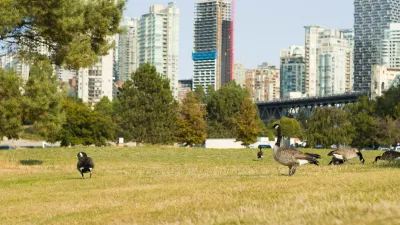
A new study highlights the ways that urban parks can serve both recreation and and conservation purposes. According to an Inside Climate News article by Kiley Price, “The study revealed dual biodiversity and human benefits from playgrounds, bodies of water, nature preserves and dog parks.”
While urbanization can threaten ecosystems, urban green spaces can be planned thoughtfully to foster biodiversity and provide safe havens for urban wildlife. “One green space doesn’t have to be just biodiversity or just athletic fields—like, think about how we can utilize the finite space that we have,” says study co-author Corey Callaghan. “He added that tiny tweaks, such as landscaping with native plants, can help make manicured parks more nature-friendly.
The study found the single biggest trait that benefits people and wildlife is the size of the park.” Larger parks offer more biodiversity and more opportunities for human use, says Callaghan. The results show that larger urban green spaces, which are often difficult to preserve, bring increased benefits to both residents and wildlife.
FULL STORY: Urban Parks Can Support People and Biodiversity—if They Are Designed With Both in Mind

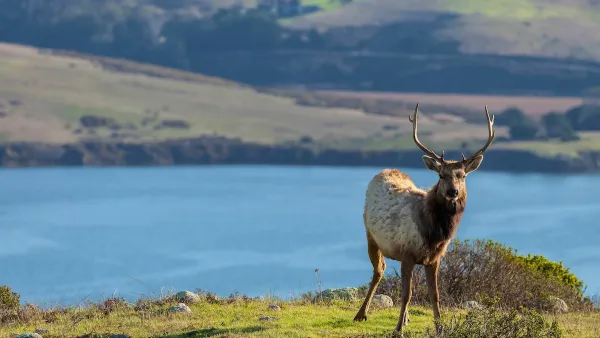
Celebrating California's Biodiversity
This year marks the fifth annual California Biodiversity Day, established in 2018 to celebrate and encourage actions to protect the state’s exceptional biodiversity.
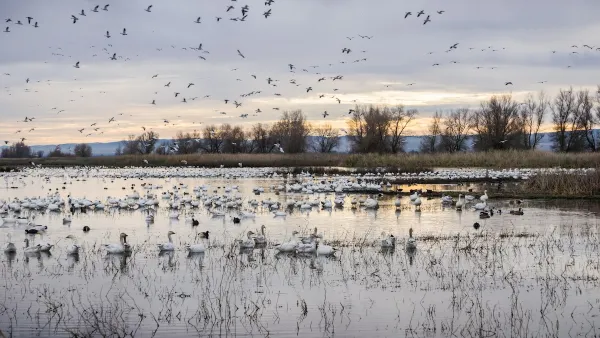
California Secures $360 Million in Federal Funding for Parks, Habitat Restoration, and Clean Transportation
This funding will drive transformative projects across the state, improving access to green spaces, protecting natural ecosystems, and advancing sustainable transportation initiatives.
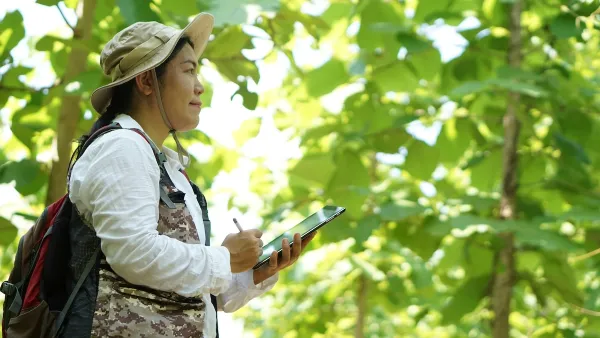
Discovering LA’s Biodiversity: The 2024 BioBlitz Challenge
The BioBlitz Challenge invites participants to document local wildlife throughout October using the iNaturalist app, contributing to conservation efforts and scientific research on Los Angeles' biodiversity.

The state-sanctioned urbicide of Austin
People don’t kill cities. Freeways do.

US to reduce Colorado River water deliveries to Mexico
A new Colorado Treaty amendment reduces Mexico’s Colorado River water allocation by 250,000 acre feet.

New Jersey’s second-largest city bans standalone data centers
Jersey City will continue to allow co-location facilities, such as those meant for research institutions that store their own data.

Amtrak not solely to blame for New Jersey commuter rail's unreliability, report finds
A new study from the Garden State Initiative found that NJ Transit’s budget grew 20% across a 4 year period, but reliability declined significantly over the same period.

EPA erases limits on planet-warming pollution from power plants
Under Monday’s plan, power plants would still have some limits on how much mercury, arsenic and other contaminants they can emit.

Phoenix announces new on-demand transit service, more frequent RAPID buses
Both new services will launch in October, and are part of Phoenix's Project Effective Access Solutions for Easing Congestion.

FREE Course: Walkable City 1: Why Walkability?
After describing his path towards focusing on walkability as the essence of good planning, Jeff Speck marches through his five principal reasons for making more walkable places.
Reinventing Malls: Planning Alchemy—Turning Gray Fields Into Gold
The course focuses on the opportunities and imperatives that shape reinvention of mall sites.

Eagle County Government
Harvard University Graduate School of Design
Nashville Planning Department
The Architects Foundation
University of Cincinnati Online
The Pocatello Development Authority
The Urban Renewal Agency of the City of Pocatello
Journal of the American Planning Association