The agency will identify federally owned parcels appropriate for housing development and streamline the regulatory process to lease or transfer land to housing authorities and nonprofit developers.


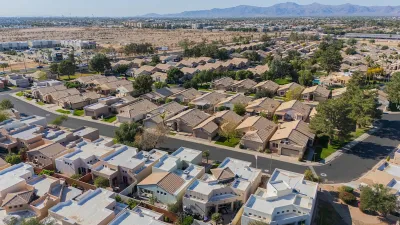
The Department of Housing and Urban Development (HUD) and the Department of the Interior announced plans to build housing on federal lands to address the housing crisis, reports Rebecca Picciotto in The Wall Street Journal. “The two secretaries also vowed to streamline the regulatory process so building on a federal lands doesn’t get held up with environmental reviews, transfer protocols and other priorities, according to the announcement.”
However, just 7.3 percent of federal lands fall within major metro areas, where the housing crisis is most acutely felt. The action would have little impact in cities like New York, where just 3.4 percent of land is federally owned, but could significantly increase housing supply in states like Nevada and Utah.
The proposal faces some unique challenges. “In some areas, the surrounding infrastructure and zoning laws would have to allow for home building, or be changed to do so. President Trump’s plan would also contend with logistical and environmental challenges.” Some federal lands are in remote or sensitive areas that would be damaged by new infrastructure, which would also raise the cost of construction.
According to HUD, lands identified as appropriate for development would be leased or transferred to public housing authorities, nonprofits, or local governments. But the agency also left open the possibility it could “occasionally” be sold to private developers.
FULL STORY: Trump Wants to Build Homes on Federal Land. Here’s What That Would Look Like.

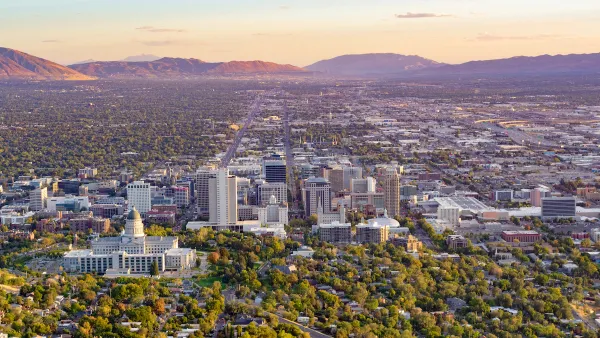
Utah Lawmakers Call for Housing on Public Lands
State lawmakers spoke out in support of a proposed federal bill that would permit housing development on federal lands.
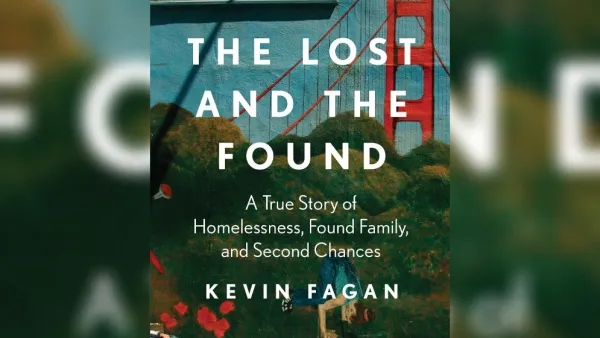
The "vicious cycle of real estate mania" — and how we might find our way home
Book review: In "The Lost and the Found: A True Story of Homelessness, Found Family, and Second Chances," Kevin Fagan humanizes the housing crisis like never before.
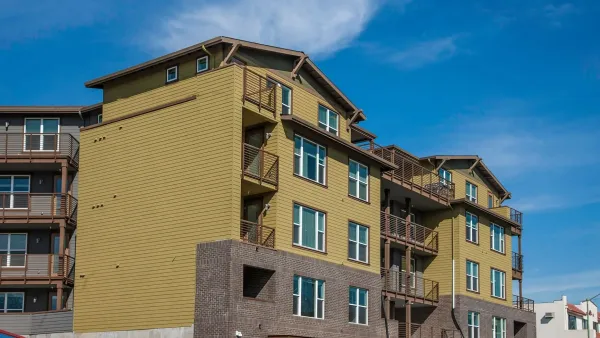
Oakland opens first affordable housing for teachers
The school district says 70% of its teachers can't afford to live in Oakland.

Planetizen Federal Action Tracker
A weekly monitor of how Trump’s orders and actions are impacting planners and planning in America.

The state-sanctioned urbicide of Austin
People don’t kill cities. Freeways do.

US to reduce Colorado River water deliveries to Mexico
A new Colorado Treaty amendment reduces Mexico’s Colorado River water allocation by 250,000 acre feet.

5 New England states march closer to 800 megawatt wind energy project
Securing federal approval for the project may be complicated under the Trump administration, which has historically been hostile towards domestic wind power.

Baltimore to break ground on $50 million Transit Priority Project
The project will bring faster bus trips, safer streets and better bike connections to Baltimore.

Airbnb launches $250 million 'last-dollar financing' housing accelerator, makes first investment in Austin
The company will put $6.4 million towards affordable housing development in Texas’ capital.

FREE Course: Walkable City 1: Why Walkability?
After describing his path towards focusing on walkability as the essence of good planning, Jeff Speck marches through his five principal reasons for making more walkable places.
Reinventing Malls: Planning Alchemy—Turning Gray Fields Into Gold
The course focuses on the opportunities and imperatives that shape reinvention of mall sites.

Eagle County Government
Harvard University Graduate School of Design
Nashville Planning Department
The Architects Foundation
University of Cincinnati Online
The Pocatello Development Authority
The Urban Renewal Agency of the City of Pocatello
Journal of the American Planning Association