Fire experts emphasize the need to replace highly flammable trees like Mexican fan palms and eucalyptus with fire-resistant species such as oak, sycamore, and toyon, while also strengthening home fire defenses to reduce wildfire risks in California.


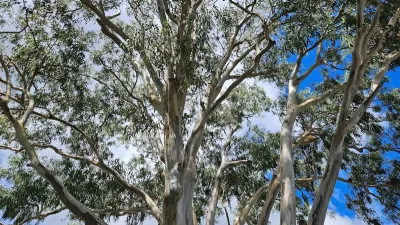
In the wake of devastating wildfires across Southern California, the conversation around fire-resistant landscaping has intensified. While trees provide beauty, shade, and ecological benefits, experts caution that certain species — particularly Mexican fan palms, Italian cypress, and eucalyptus — act as dangerous fire accelerants, spreading embers and intensifying destruction. Ecological horticulturalists and fire scientists emphasize that the solution is not to remove all vegetation but to choose species strategically, with an emphasis on moisture-rich, fire-resistant trees like California live oak, sycamore, and toyon, which can help intercept embers and slow fire spread.
As reported by Steve Lopez, researcher Alexandra Syphard and other fire ecology experts stress that hardened structures, not vegetation alone, determine a home’s ability to withstand fire. Many homes are ignited from within due to embers entering through vents, shattered windows, and open garage doors. Double-pane windows, fine-mesh vent screens, and proper brush management—rather than excessive clearing—can make a significant difference in fire resilience. Even in the aftermath of destructive blazes, certain plants have demonstrated remarkable resilience, such as California lilac, which survived while structures around it burned.
Experts recommend replacing highly flammable trees with fire-resistant alternatives such as oak, sycamore, toyon, lemonade berry, and lilac. Landscape architect Kay Stewart suggests succulents and cactus as additional safeguards, while biologist Cristhian Mace underscores the importance of smart planning, maintaining defensible space, and integrating non-combustible building materials. While the idea of removing iconic palm trees may be met with resistance, fire safety advocates argue that proactive changes in landscaping are necessary to adapt to the increasing wildfire risks in California.
FULL STORY: Column: Slow the spread of fire? ‘We have to get rid of the palm trees’

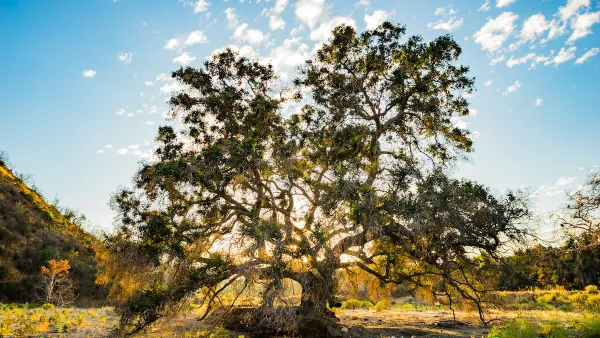
Rethinking Wildfire Defense: How a Landscape Approach Can Protect Neighborhoods
Post-fire analysis of the Eaton Fire reveals that a landscape approach — including fire-resistant vegetation, home hardening, and strategic planning — can help reduce wildfire risk, challenging assumptions that trees and plants are primary fire hazards.

Rethinking Los Angeles Landscapes: Balancing Iconic Trees and Fire Resilience
L.A. must balance fire resilience with ecological preservation by gradually replacing flammable non-native plants like eucalyptus and palm trees with native and fire-resistant species while rethinking urban landscapes and land management practices.
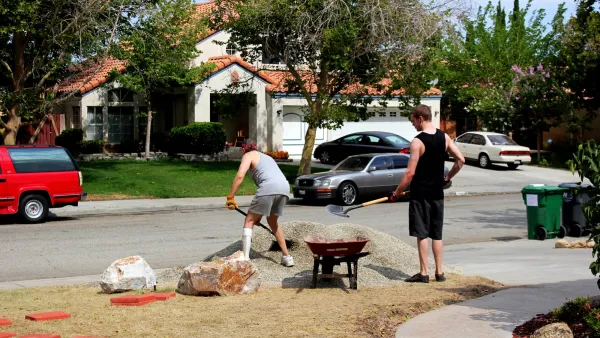
The Overlooked Spaces That Can Prevent the Spread of Fire
The space between homes can as much as double a chance’s home of survival during a fire.

The state-sanctioned urbicide of Austin
People don’t kill cities. Freeways do.

US to reduce Colorado River water deliveries to Mexico
A new Colorado Treaty amendment reduces Mexico’s Colorado River water allocation by 250,000 acre feet.

New Jersey’s second-largest city bans standalone data centers
Jersey City will continue to allow co-location facilities, such as those meant for research institutions that store their own data.

Amtrak not solely to blame for New Jersey commuter rail's unreliability, report finds
A new study from the Garden State Initiative found that NJ Transit’s budget grew 20% across a 4 year period, but reliability declined significantly over the same period.

EPA erases limits on planet-warming pollution from power plants
Under Monday’s plan, power plants would still have some limits on how much mercury, arsenic and other contaminants they can emit.

Phoenix announces new on-demand transit service, more frequent RAPID buses
Both new services will launch in October, and are part of Phoenix's Project Effective Access Solutions for Easing Congestion.

FREE Course: Walkable City 1: Why Walkability?
After describing his path towards focusing on walkability as the essence of good planning, Jeff Speck marches through his five principal reasons for making more walkable places.
Reinventing Malls: Planning Alchemy—Turning Gray Fields Into Gold
The course focuses on the opportunities and imperatives that shape reinvention of mall sites.

Eagle County Government
Harvard University Graduate School of Design
Nashville Planning Department
The Architects Foundation
University of Cincinnati Online
The Pocatello Development Authority
The Urban Renewal Agency of the City of Pocatello
Journal of the American Planning Association