The gap between median rental prices and incomes is shrinking in the US, but still falls short of affordability.



The income needed to afford median rent in America is the lowest it’s been since March, 2022, according to Refin News. Renters today need to earn $63,680 in order to afford the $1,592 median monthly rent.
While the current median rental cost represents a 6.4 percent drop from the August 2022 high of $1,700, it still falls short of the standard affordability definition of rent costing no more than 30 percent of a renter’s income. The median US renter’s income is $54,752 — estimated from US Census Bureau data — 14 percent less than the amount needed to achieve affordability.
“The gap between how much renters earn and the income they need to keep rent affordable is shrinking, with last month’s difference being the smallest in the five years Redfin has tracked the two metrics,” write Mark Worley and Sheharyar Bokhari.
The article also lists the ten most and least affordable metros for renters. Austin, TX ranked most affordable with residents earning a median income 25 percent higher than what is needed to afford rent. It also scored as the metro where affordability improved the most in 2024. Providence, RI ranked least affordable.
FULL STORY: Renters Need to Earn $63,680 to Afford the Typical U.S. Apartment—the Lowest Amount in 3 Years

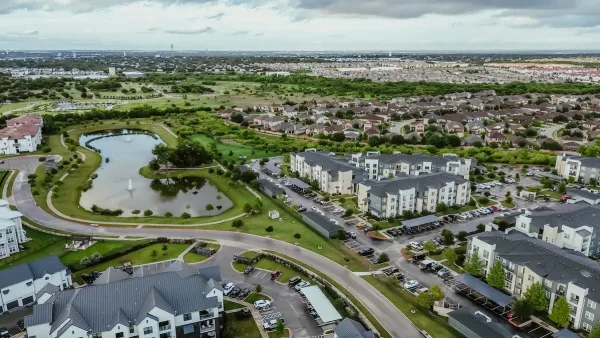
Rents Rose Between December and January
After dropping to a three-year low, U.S. rent costs grew in many major cities.
‘Residual Income’ Study Reveals Two-Thirds of Working Age Renters Struggle to Make Ends Meet
Half of U.S. renters are considered ‘rent burdened,’ but an even larger number of households have a hard time affording basic necessities after rent.
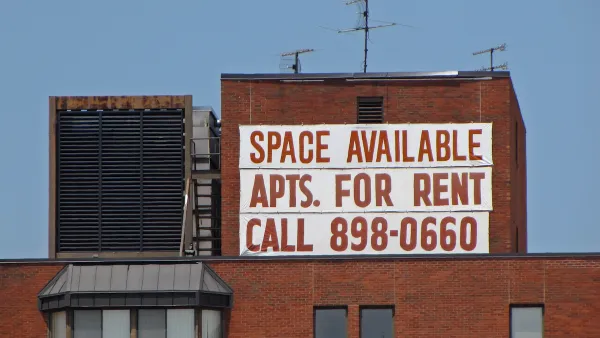
US Rents Squeezing Low-Income Tenants
Despite a recent — and slowing — apartment construction boom, renters at the lower end of the income scale are still struggling to find housing.

The state-sanctioned urbicide of Austin
People don’t kill cities. Freeways do.

US to reduce Colorado River water deliveries to Mexico
A new Colorado Treaty amendment reduces Mexico’s Colorado River water allocation by 250,000 acre feet.

New Jersey’s second-largest city bans standalone data centers
Jersey City will continue to allow co-location facilities, such as those meant for research institutions that store their own data.

Amtrak not solely to blame for New Jersey commuter rail's unreliability, report finds
A new study from the Garden State Initiative found that NJ Transit’s budget grew 20% across a 4 year period, but reliability declined significantly over the same period.

EPA erases limits on planet-warming pollution from power plants
Under Monday’s plan, power plants would still have some limits on how much mercury, arsenic and other contaminants they can emit.

Phoenix announces new on-demand transit service, more frequent RAPID buses
Both new services will launch in October, and are part of Phoenix's Project Effective Access Solutions for Easing Congestion.

FREE Course: Walkable City 1: Why Walkability?
After describing his path towards focusing on walkability as the essence of good planning, Jeff Speck marches through his five principal reasons for making more walkable places.
Reinventing Malls: Planning Alchemy—Turning Gray Fields Into Gold
The course focuses on the opportunities and imperatives that shape reinvention of mall sites.

Eagle County Government
Harvard University Graduate School of Design
Nashville Planning Department
The Architects Foundation
University of Cincinnati Online
The Pocatello Development Authority
The Urban Renewal Agency of the City of Pocatello
Journal of the American Planning Association