Rural residents often have a harder time accessing legal assistance and eviction prevention resources.


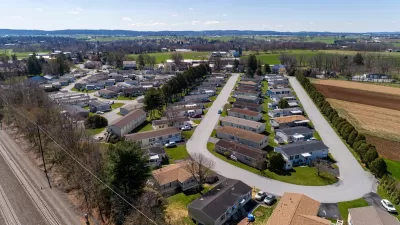
Eviction notices are putting many rural renters in a precarious housing situation, reports Jaime Adame for The Daily Yonder.
According to Adame, who lives in a small Texas town, “The rise of out-of-state corporate landlords leads to especially burdensome eviction practices in small cities and towns like mine, with rural renters more likely than urban tenants to struggle and lose in court, researchers and tenant advocates say.”
Adame notes that a mobile home park owned by an out-of-state corporation is one of the most frequent filers of evictions in his county. “This fits a national trend observed by Gershenson with Princeton’s Eviction Lab, who said in an email interview that corporate landlords are more likely to file evictions, although the correlation to out-of-state ownership is less clear.”
Adame’s piece highlights the problems with corporate ownership of housing such as mobile home parks, which are a crucial source of affordable housing in many rural (and urban) U.S. communities. Researchers from the Princeton Eviction Lab say rural renters are often more likely to lose eviction cases. “When [rural] renters do receive a filing, they will have more trouble than their counterparts in urban areas, because rural areas have a less developed ecosystem of legal service and tenants’ rights organizations.”
FULL STORY: ‘Churn Kills’: Eviction Threats Strain Already Limited Supply of Rural Rental Property


Michigan Lawmakers Urged to Pass Housing Laws
A raft of proposed bills would protect renters from steep rent increases and ban discrimination based on criminal record and source of income, but the legislature only has a short amount of time to pass them.

California’s New Housing Laws: What You Need to Know
The state legislature passed dozens of new laws aimed at improving housing affordability and streamlining the development process to meet rising demand.

The Housing Crisis Grows in Rural Idaho
The state’s smaller communities are feeling the pressure of sharply rising housing costs, stagnating wages, and an aging population.

The state-sanctioned urbicide of Austin
People don’t kill cities. Freeways do.

US to reduce Colorado River water deliveries to Mexico
A new Colorado Treaty amendment reduces Mexico’s Colorado River water allocation by 250,000 acre feet.

New Jersey’s second-largest city bans standalone data centers
Jersey City will continue to allow co-location facilities, such as those meant for research institutions that store their own data.

Amtrak not solely to blame for New Jersey commuter rail's unreliability, report finds
A new study from the Garden State Initiative found that NJ Transit’s budget grew 20% across a 4 year period, but reliability declined significantly over the same period.

EPA erases limits on planet-warming pollution from power plants
Under Monday’s plan, power plants would still have some limits on how much mercury, arsenic and other contaminants they can emit.

Phoenix announces new on-demand transit service, more frequent RAPID buses
Both new services will launch in October, and are part of Phoenix's Project Effective Access Solutions for Easing Congestion.

FREE Course: Walkable City 1: Why Walkability?
After describing his path towards focusing on walkability as the essence of good planning, Jeff Speck marches through his five principal reasons for making more walkable places.
Reinventing Malls: Planning Alchemy—Turning Gray Fields Into Gold
The course focuses on the opportunities and imperatives that shape reinvention of mall sites.

Eagle County Government
Harvard University Graduate School of Design
Nashville Planning Department
The Architects Foundation
University of Cincinnati Online
The Pocatello Development Authority
The Urban Renewal Agency of the City of Pocatello
Journal of the American Planning Association