A new state law requires new development and infrastructure to minimize disruption to local wildlife habitats and migration patterns.


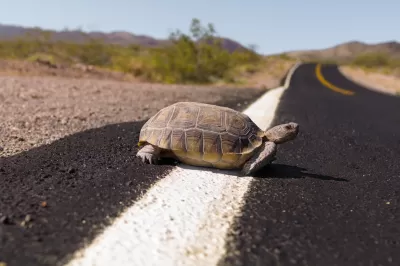
California’s Room to Roam Act (AB 1889), signed by Governor Gavin Newsom last week, requires local governments to “minimize the disruption of wildlife movement” and calls for wildlife-friendly fencing and lighting in new development.
According to a press release from the Center for Biological Diversity, the new bill recognizes the impacts of human development on wildlife habitat and migration. “Light pollution can confuse migrating birds and make them crash into buildings, while poorly designed fences can unintentionally trap deer and other wildlife. Many animals like mountain lions and desert tortoises are struggling because ill-conceived development has sliced up their habitat, leaving them unable to find food and shelter. Some suffer from harmful inbreeding due to habitat fragmentation.”
The new law complements the Safe Roads and Wildlife Protection Act (AB 2344), which prioritizes wildlife crossings on state highways. The world’s largest wildlife crossing, which will span the 101 freeway near the Santa Monica Mountains, broke ground in Los Angeles in April of this year.
FULL STORY: Governor Signs Bill to Improve California’s Wildlife Connectivity

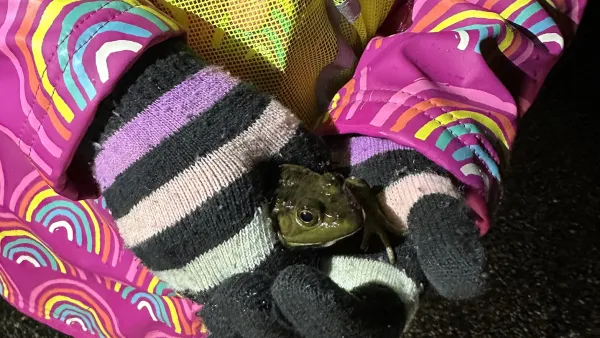
Once a year, Maine roads become highways for amphibians
The 'Big Night' brings out volunteers to help frogs, salamanders, and other migrating amphibians cross roads to reach their breeding grounds.
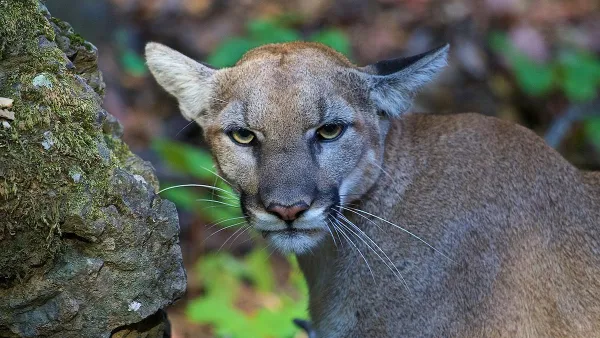
Cougar Death Highlights Urgent Need for Wildlife Crossing
A mountain lion was found dead on the 101 Freeway, less than half a mile from the steel and concrete endoskeleton of the Wallis Annenberg Wildlife Crossing.
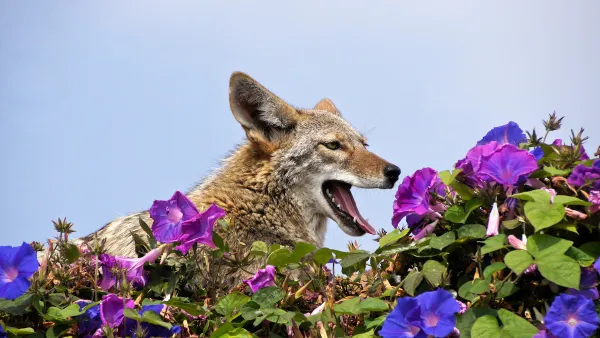
California Bill Would Make Wildlife Connectivity Part of General Plans
The ‘Room to Roam Act’ would require cities and counties to consider local habitats and the impact of development on wildlife corridors and connectivity.

The state-sanctioned urbicide of Austin
People don’t kill cities. Freeways do.

US to reduce Colorado River water deliveries to Mexico
A new Colorado Treaty amendment reduces Mexico’s Colorado River water allocation by 250,000 acre feet.

New Jersey’s second-largest city bans standalone data centers
Jersey City will continue to allow co-location facilities, such as those meant for research institutions that store their own data.

Amtrak not solely to blame for New Jersey commuter rail's unreliability, report finds
A new study from the Garden State Initiative found that NJ Transit’s budget grew 20% across a 4 year period, but reliability declined significantly over the same period.

EPA erases limits on planet-warming pollution from power plants
Under Monday’s plan, power plants would still have some limits on how much mercury, arsenic and other contaminants they can emit.

Phoenix announces new on-demand transit service, more frequent RAPID buses
Both new services will launch in October, and are part of Phoenix's Project Effective Access Solutions for Easing Congestion.

FREE Course: Walkable City 1: Why Walkability?
After describing his path towards focusing on walkability as the essence of good planning, Jeff Speck marches through his five principal reasons for making more walkable places.
Reinventing Malls: Planning Alchemy—Turning Gray Fields Into Gold
The course focuses on the opportunities and imperatives that shape reinvention of mall sites.

Eagle County Government
Harvard University Graduate School of Design
Nashville Planning Department
The Architects Foundation
University of Cincinnati Online
The Pocatello Development Authority
The Urban Renewal Agency of the City of Pocatello
Journal of the American Planning Association