Northeast Ohio is the last remaining bastion of housing affordability, according to an analysis from the National Association of Realtors.


Before the Covid-19 pandemic, 20 U.S. states were considered affordable home-buying markets for most households. Today, just two metro areas remain ‘affordable’ by that definition issued by the National Association of Realtors — and no entire states fit the bill. “Since the pandemic, two states, Montana and Idaho, have surpassed California as the most unaffordable states for local homebuyers, according to the analysis. Hawaii and Oregon round out the list of the five least affordable states.”
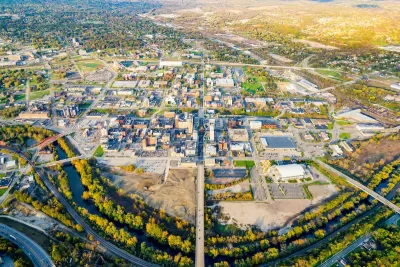
One of those regions is northeast Ohio, explains Tim Henderson in Stateline. “Youngstown is one of the last two metro areas in the country where a household with nearly any income should be able to find a single-family home they can afford to buy, according to an analysis of April data by the National Association of Realtors.”
According to the analysis, the Los Angeles metropolitan area, where the median single-family home price has surpassed $1 million, was the least affordable, while Youngstown and Akron rated as the most affordable. Montana and Idaho are the least affordable states, with housing prices exploding in both as remote workers flock to the region.
“Home prices have increased by 47% nationwide just since 2020, according to a June report by the Harvard Joint Center for Housing Studies. A major factor is that there aren’t many homes for sale.” Around the country, cities and states are looking to zoning reform as one avenue for boosting the housing supply to meet demand and promote denser development that could drive down the cost of housing.
FULL STORY: The nation’s last refuge for affordable homes is in Northeast Ohio


DC Residents Want Affordability Over ‘Character’
A poll finds that most residents want to see changes in zoning and land use laws that unlock more housing construction in the District and improve affordability.
New Jersey Calls for 85,000 New Housing Units
A state law known as the Mount Laurel Doctrine mandates that each jurisdiction accommodate enough new housing units to meet the local demand for affordable housing.

Pennsylvania Housing Action Plan Calls for $1B Fund, Expanded Renter Protections, Homebuyer Assistance
Gov. Shapiro’s proposed plan would bolster support for renters and homebuyers and reduce barriers to housing development.

The state-sanctioned urbicide of Austin
People don’t kill cities. Freeways do.

US to reduce Colorado River water deliveries to Mexico
A new Colorado Treaty amendment reduces Mexico’s Colorado River water allocation by 250,000 acre feet.

New Jersey’s second-largest city bans standalone data centers
Jersey City will continue to allow co-location facilities, such as those meant for research institutions that store their own data.

Amtrak not solely to blame for New Jersey commuter rail's unreliability, report finds
A new study from the Garden State Initiative found that NJ Transit’s budget grew 20% across a 4 year period, but reliability declined significantly over the same period.

EPA erases limits on planet-warming pollution from power plants
Under Monday’s plan, power plants would still have some limits on how much mercury, arsenic and other contaminants they can emit.

Phoenix announces new on-demand transit service, more frequent RAPID buses
Both new services will launch in October, and are part of Phoenix's Project Effective Access Solutions for Easing Congestion.

FREE Course: Walkable City 1: Why Walkability?
After describing his path towards focusing on walkability as the essence of good planning, Jeff Speck marches through his five principal reasons for making more walkable places.
Reinventing Malls: Planning Alchemy—Turning Gray Fields Into Gold
The course focuses on the opportunities and imperatives that shape reinvention of mall sites.

Eagle County Government
Harvard University Graduate School of Design
Nashville Planning Department
The Architects Foundation
University of Cincinnati Online
The Pocatello Development Authority
The Urban Renewal Agency of the City of Pocatello
Journal of the American Planning Association