A new study found that half of the city’s commercial parking spaces are usually empty.


A study showing that Boulder, Colorado has almost twice as many parking spots as are needed at any given time is prompting city officials to consider eliminating minimum parking requirements, writes John Herrick for Boulder Reporting Lab.
“At retail locations, nearly half of the parking spots go unused during peak times on average. Similarly, more than half of the spaces at office locations remain empty on average.” That number falls in residential areas to 30 percent, Herrick notes, while 35 percent of trips in the city are made in single-occupancy vehicles.
This overabundance of parking is driving up housing costs, increasing the city’s temperature and making streets more dangerous for cyclists and pedestrians by encouraging more cars on the road, according to transportation reform advocates.
Boulder planners say getting rid of parking minimums across the city would reduce the cost of housing and allow developers to build parking as needed. City officials are also considering a “transportation demand management” ordinance that would require developers to include more infrastructure for non-auto modes in their projects and offer perks to residents such as transit passes and secure bike parking areas.
FULL STORY: Boulder planners explore elimination of parking minimums across entire city starting next year


Boulder Eliminates Parking Minimums Citywide
Officials estimate the cost of building a single underground parking space at up to $100,000.
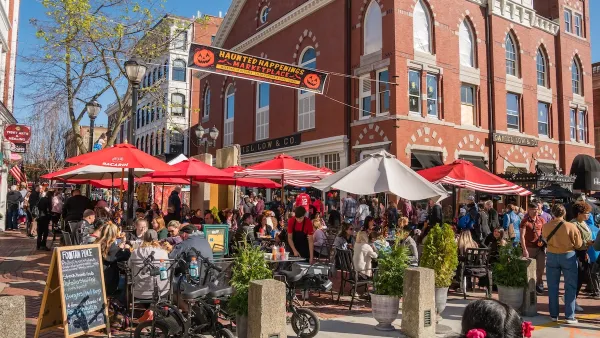
Salem, Massachusetts Eliminates Parking Minimums
An analysis found that the city’s real parking demand is around 0.85 spots per housing unit, far less than the 1.5 spaces required under the old zoning code.
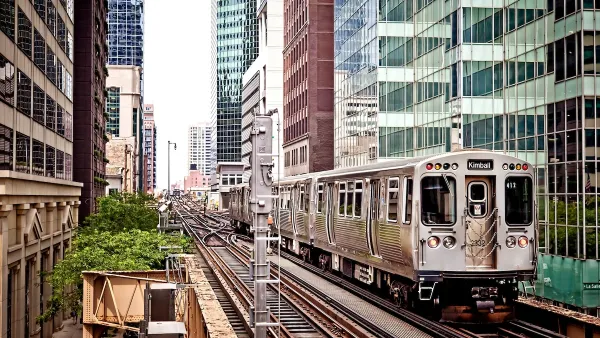
Chicago Eliminates Parking Minimums Near Transit
Changes to a city ordinance make it easier to build ‘by-right’ car-free developments near train stations and pave the way for more affordable housing.

Planetizen Federal Action Tracker
A weekly monitor of how Trump’s orders and actions are impacting planners and planning in America.

The state-sanctioned urbicide of Austin
People don’t kill cities. Freeways do.

US to reduce Colorado River water deliveries to Mexico
A new Colorado Treaty amendment reduces Mexico’s Colorado River water allocation by 250,000 acre feet.

Mamdani overhauls NYC's Vision Zero plan with 100 new policy goals
The overhaul aims to reduce traffic deaths and make streets safer for pedestrians, cyclists and drivers through lower speed limits, new safety infrastructure and more.

Amtrak not solely to blame for New Jersey commuter rail's unreliability, report finds
A new study from the Garden State Initiative found that NJ Transit’s budget grew 20% across a 4 year period, but reliability declined significantly over the same period.

EPA erases limits on planet-warming pollution from power plants
Under Monday’s plan, power plants would still have some limits on how much mercury, arsenic and other contaminants they can emit.

FREE Course: Walkable City 1: Why Walkability?
After describing his path towards focusing on walkability as the essence of good planning, Jeff Speck marches through his five principal reasons for making more walkable places.
Reinventing Malls: Planning Alchemy—Turning Gray Fields Into Gold
The course focuses on the opportunities and imperatives that shape reinvention of mall sites.

Eagle County Government
Harvard University Graduate School of Design
Nashville Planning Department
The Architects Foundation
University of Cincinnati Online
The Pocatello Development Authority
The Urban Renewal Agency of the City of Pocatello
Journal of the American Planning Association