Those living near oil and gas wells face increased risks from wildfires, which threaten these infrastructures and could lead to explosions, pollution, and other hazards, particularly affecting communities of color.


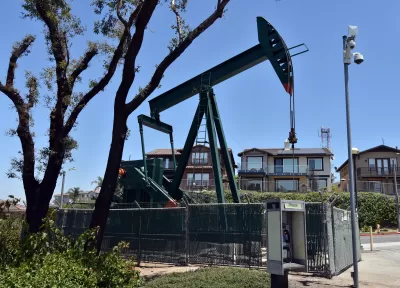
As wildfires rage across California, millions of residents living near oil and gas wells face heightened risks from explosions, pollution, and infrastructure damage. As reported by Hayley Smith, a study in the journal One Earth found that over 100,000 wells in the western U.S., primarily in California, are located in high fire-risk areas, putting nearly 3 million people at greater danger. These wells, both active and inactive, present significant hazards during wildfires due to potential leaks and combustible emissions.
California's oil wells, especially in Los Angeles, Fresno, Kern, and Orange counties, are particularly vulnerable. Historical incidents, such as the 2015 Aliso Canyon gas leak and the 2017 Thomas Fire, highlight the dangers, which are expected to increase with climate change. The study found a significant rise in wells within wildfire burn areas over recent decades, with further increases projected by mid-century. This growing risk underscores the need for proactive measures to protect affected communities.
Efforts to address these risks include California's recent legislation prohibiting new wells near homes, schools, and healthcare facilities, as well as increased funding for plugging abandoned wells. However, the study warns of a "pernicious feedback loop" where fossil fuel production exacerbates global warming, which in turn intensifies the frequency and severity of wildfires. This cycle necessitates stronger actions to reduce fossil fuel reliance and enhance safety for those living near oil and gas infrastructure.
The study also highlights that exposure to oil wells in wildfire-prone areas disproportionately affects Black, Latino, and Native American communities. These groups often reside in neighborhoods with a higher density of oil wells due to historical redlining and economic factors. Addressing these environmental justice issues requires comprehensive strategies to limit drilling in high-risk areas, improve monitoring technologies, and enforce stricter safety regulations to protect vulnerable populations.
Read the full story: Millions of Californians live near oil and gas wells that are in the path of wildfires

California Group Threatens to Sue Governor Over Post-fire Duplex Ban
A July executive order prohibits property owners from building multiple units in areas affected by the January Los Angeles wildfires.
Your Not-So-Friendly Neighborhood Oil Well
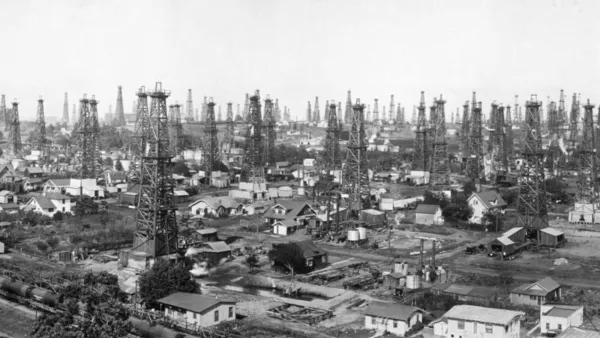
Much of California's oil and gas extraction takes place in residential neighborhoods, posing significant health risks to entire communities.
To upzone or not to upzone? Two views on the housing crisis
Allowing more density can increase the housing supply, but does the attendant rise in land prices cancel out the benefits?

Planetizen Federal Action Tracker
A weekly monitor of how Trump’s orders and actions are impacting planners and planning in America.

The state-sanctioned urbicide of Austin
People don’t kill cities. Freeways do.
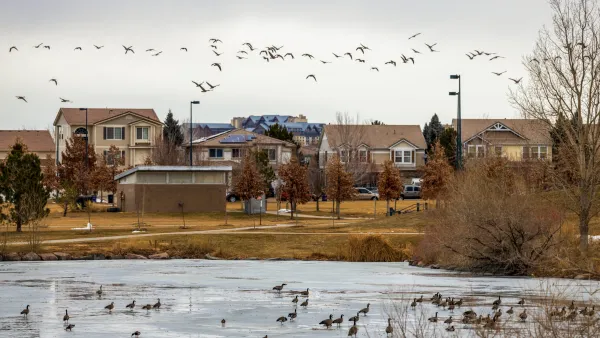
Colorado’s Largest Data Center Could Rise Next to Homes — Without a Public Hearing
The proposed campus would consume 11 times the power of Denver International Airport; as it has across the country, opposition mounts.
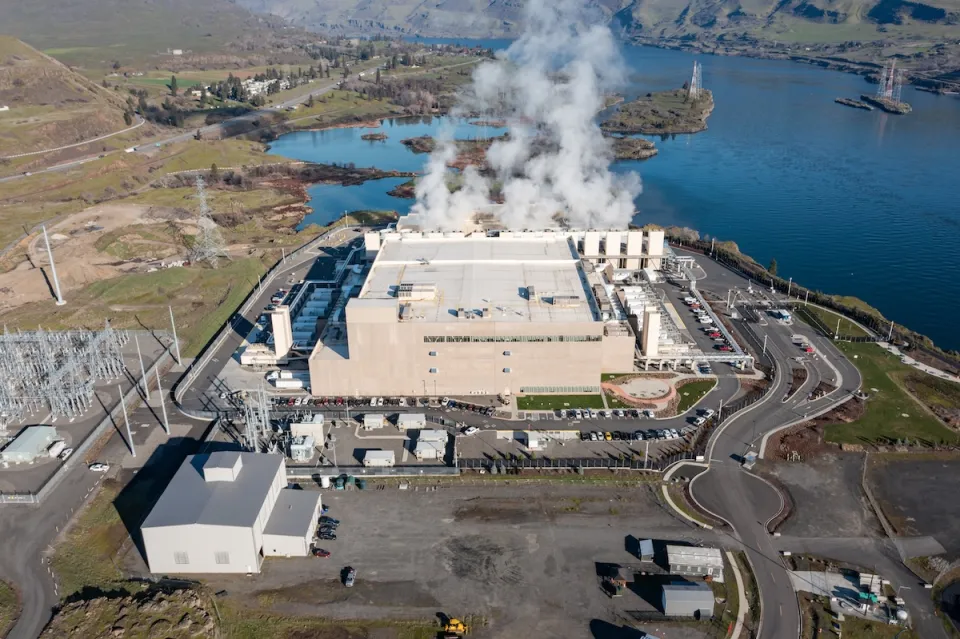
Data centers are consuming nearly 25% of Oregon’s power
The state has 111 data centers, with 32 more either planned or under construction.

A third of Texas cities must update their zoning codes to comply with new housing law
Texas municipalities are now required to allow manufactured housing in at least one residential zoning district.

Nation's most wind-powered state turns to coal as data centers increase energy demand
For the first time in decades, Iowa has increased its generation of coal power.

FREE Course: Walkable City 1: Why Walkability?
After describing his path towards focusing on walkability as the essence of good planning, Jeff Speck marches through his five principal reasons for making more walkable places.
Reinventing Malls: Planning Alchemy—Turning Gray Fields Into Gold
The course focuses on the opportunities and imperatives that shape reinvention of mall sites.

Greater Baltimore Committee
Eagle County Government
Harvard University Graduate School of Design
The Architects Foundation
University of Cincinnati Online
The Pocatello Development Authority
The Urban Renewal Agency of the City of Pocatello
Journal of the American Planning Association