In some markets, as few as 2.6 percent of renter households could afford the cost of an average home.


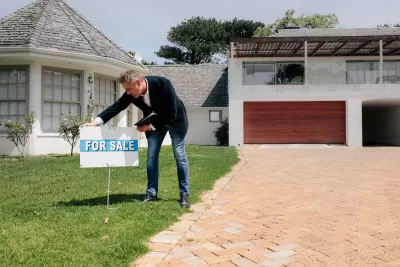
Just 15.1 percent of renter households in the United States could afford to buy an average-priced home in their area, according to an analysis from Zillow.
The crisis is worst in, unsurprisingly, West Coast markets, writes Lance Lambert in Fast Company. In San Diego, just 2.6 percent of renters could afford to buy a home. San Jose, Los Angeles, San Francisco, and Salt Lake City round out the top five most inaccessible markets, with the percentage of renters who could afford homes ranging from 2.7 percent to 3.8 percent.
The report notes, “The fact that the majority of families don’t have the income necessary to comfortably afford the typical monthly mortgage cost in their local market suggests that removing roadblocks to building more affordable housing would have the most significant impact on improving access to home ownership.”
FULL STORY: Housing affordability is so stretched that fewer than 3% of renters can afford to buy in some markets

A Big Picture of the US Housing Market
A new report highlights the factors driving up housing costs around the country.
'Starter' homes cost over $1M in 242 US cities
Once concentrated in coastal regions, cities with starter homes valued at over $1 million are now spread across 26 states.

Report: Just 17% of Gen Z Americans Own Homes
The number of Gen Z renters grew from 700,000 to 4.4 million in the last five years.

Planetizen Federal Action Tracker
A weekly monitor of how Trump’s orders and actions are impacting planners and planning in America.

The state-sanctioned urbicide of Austin
People don’t kill cities. Freeways do.

US to reduce Colorado River water deliveries to Mexico
A new Colorado Treaty amendment reduces Mexico’s Colorado River water allocation by 250,000 acre feet.

5 New England states march closer to 800 megawatt wind energy project
Securing federal approval for the project may be complicated under the Trump administration, which has historically been hostile towards domestic wind power.

Baltimore to break ground on $50 million Transit Priority Project
The project will bring faster bus trips, safer streets and better bike connections to Baltimore.

Airbnb launches $250 million 'last-dollar financing' housing accelerator, makes first investment in Austin
The company will put $6.4 million towards affordable housing development in Texas’ capital.

FREE Course: Walkable City 1: Why Walkability?
After describing his path towards focusing on walkability as the essence of good planning, Jeff Speck marches through his five principal reasons for making more walkable places.
Reinventing Malls: Planning Alchemy—Turning Gray Fields Into Gold
The course focuses on the opportunities and imperatives that shape reinvention of mall sites.

Eagle County Government
Harvard University Graduate School of Design
Nashville Planning Department
The Architects Foundation
University of Cincinnati Online
The Pocatello Development Authority
The Urban Renewal Agency of the City of Pocatello
Journal of the American Planning Association