In the wake of multiple building collapses in recent years, the bill seeks to identify dangerous building conditions before they escalate.



A new city law will mandate ‘proactive’ building inspections in New York City, reports Nish Amarnath in Smart Cities Dive. “Int. 0904, the Billingsley Terrace Structural Integrity bill, requires the New York City Department of Buildings to create a risk-based inspection program that can identify dangerous buildings using a model to predict the likelihood of structural failures by assessing factors such as building data, violation history and any prior facade inspection reports.”
The bill aims to prevent building collapses and dangerous conditions in older buildings by identifying risks. “Bill Int. 0904 seeks to address deficiencies in the DOB’s complaints-driven, reactive inspection process — an issue that has surfaced in the city’s aging building stock and recent incidents, including the Billingsley Terrace collapse in the Bronx and the parking garage collapse in lower Manhattan, the city council said in the release.”
If signed by the mayor, the bill would require the DOB to develop a predictive model for the inspection program that would take into account a variety of building data including “qualified exterior wall inspector certification history, prior maintenance records, the number of 311 complaints filed, permit history, the date of the most recent alteration,” as well as building age, size, materials, floors, and more. Owners of buildings found deficient would have to submit a corrective action plan to make the building safe.
FULL STORY: NYC Council approves legislation requiring proactive building inspections

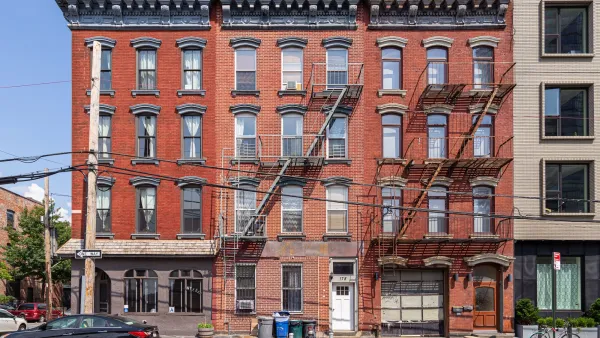
NYC Puts 250 Most Distressed Apartment Buildings on Enhanced Oversight List
The city’s Alternative Enforcement Program prioritizes buildings with the most unaddressed code violations, allowing the city to make repairs where needed.

Chicago Looks to Boulder Landlord Registry as a Model for Tenant Protections
Unlike the Colorado city, where code violations in rental housing are quickly identified and fixed, Chicago lacks a robust system of inspection and enforcement.
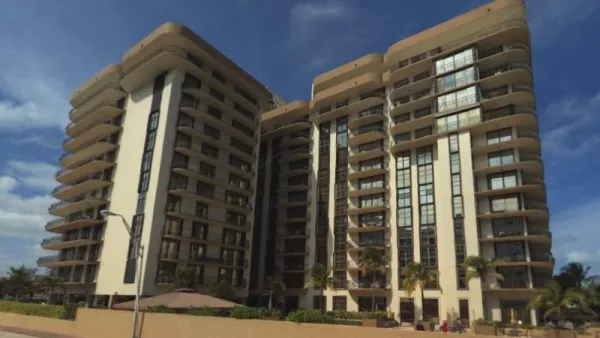
D.C. Adds New Safety Requirement in Wake of Recent Collapses
A series of incidents including the fatal collapse of a condo building in Surfside, Florida have prompted the District to implement safety enhancements to its building safety review.

The state-sanctioned urbicide of Austin
People don’t kill cities. Freeways do.

US to reduce Colorado River water deliveries to Mexico
A new Colorado Treaty amendment reduces Mexico’s Colorado River water allocation by 250,000 acre feet.

New Jersey’s second-largest city bans standalone data centers
Jersey City will continue to allow co-location facilities, such as those meant for research institutions that store their own data.

Amtrak not solely to blame for New Jersey commuter rail's unreliability, report finds
A new study from the Garden State Initiative found that NJ Transit’s budget grew 20% across a 4 year period, but reliability declined significantly over the same period.

EPA erases limits on planet-warming pollution from power plants
Under Monday’s plan, power plants would still have some limits on how much mercury, arsenic and other contaminants they can emit.

Phoenix announces new on-demand transit service, more frequent RAPID buses
Both new services will launch in October, and are part of Phoenix's Project Effective Access Solutions for Easing Congestion.

FREE Course: Walkable City 1: Why Walkability?
After describing his path towards focusing on walkability as the essence of good planning, Jeff Speck marches through his five principal reasons for making more walkable places.
Reinventing Malls: Planning Alchemy—Turning Gray Fields Into Gold
The course focuses on the opportunities and imperatives that shape reinvention of mall sites.

Eagle County Government
Harvard University Graduate School of Design
Nashville Planning Department
The Architects Foundation
University of Cincinnati Online
The Pocatello Development Authority
The Urban Renewal Agency of the City of Pocatello
Journal of the American Planning Association