Examples from the Netherlands show how bike lanes and traffic calming can coexist with effective emergency response.


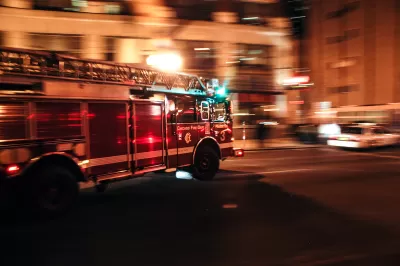
An article by Streetsblog USA staff seeks to resolve the conflict between road safety advocates and first responders, who sometimes oppose bike lanes and other safety interventions citing concerns about emergency access.
The article highlights a conversation in Streetsblog’s The Brake podcast that describes “how the Netherlands and other countries have navigated the challenge of building EMS-friendly streets that aren't hostile to people outside cars.”
According to the authors of a new study from the Dutch Cycling Embassy, “one thing that Dutch cities do remarkably well that the US can learn from is the network isolation of their streets and creating this hierarchy of streets so that we do have these arterial roads that the emergency vehicles can use them for the vast majority of their journey. And then maybe the last 200 meters will be on a traffic calmed local street.” The authors say emergency personnel is involved in decisionmaking early to address any potential issues.
The study authors note that many Dutch towns use smaller trucks where appropriate; “in some cities, it was completely fine to start introducing the smaller fire trucks because there are so many water access points along their routes, that's in the end, you don't bring all the water where you where you work with.”
FULL STORY: Do Bike Advocates and EMS Workers Have to Be Enemies?

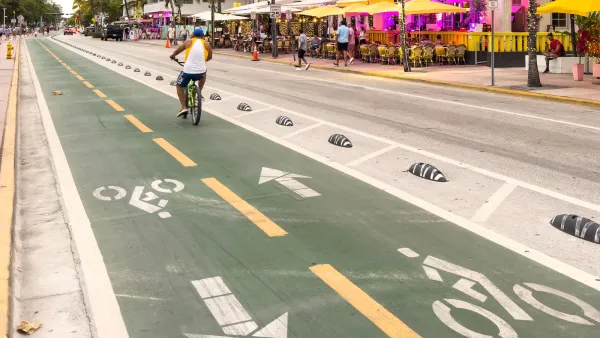
FHWA removes bike lanes and speed cameras from list of traffic safety measures
The agency did not announce its intention to eliminate five proven safety measures from its list of suggested interventions.
Milwaukee Announces 60 Traffic Calming Projects for 2025
The city has successfully reduced traffic deaths and aims to eliminate them completely within the next decade.
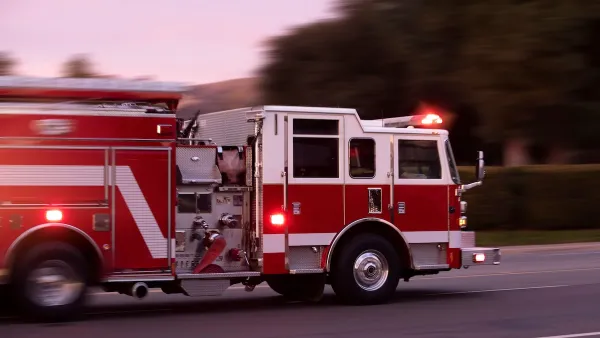
Study: Bike Lanes, Traffic Calming Don’t Impact First Responders
Despite common concerns that narrower traffic lanes and bike infrastructure can slow emergency response, response times in one study didn’t change.

The state-sanctioned urbicide of Austin
People don’t kill cities. Freeways do.

US to reduce Colorado River water deliveries to Mexico
A new Colorado Treaty amendment reduces Mexico’s Colorado River water allocation by 250,000 acre feet.

New Jersey’s second-largest city bans standalone data centers
Jersey City will continue to allow co-location facilities, such as those meant for research institutions that store their own data.

Amtrak not solely to blame for New Jersey commuter rail's unreliability, report finds
A new study from the Garden State Initiative found that NJ Transit’s budget grew 20% across a 4 year period, but reliability declined significantly over the same period.

EPA erases limits on planet-warming pollution from power plants
Under Monday’s plan, power plants would still have some limits on how much mercury, arsenic and other contaminants they can emit.

Phoenix announces new on-demand transit service, more frequent RAPID buses
Both new services will launch in October, and are part of Phoenix's Project Effective Access Solutions for Easing Congestion.

FREE Course: Walkable City 1: Why Walkability?
After describing his path towards focusing on walkability as the essence of good planning, Jeff Speck marches through his five principal reasons for making more walkable places.
Reinventing Malls: Planning Alchemy—Turning Gray Fields Into Gold
The course focuses on the opportunities and imperatives that shape reinvention of mall sites.

Eagle County Government
Harvard University Graduate School of Design
Nashville Planning Department
The Architects Foundation
University of Cincinnati Online
The Pocatello Development Authority
The Urban Renewal Agency of the City of Pocatello
Journal of the American Planning Association