Rural U.S. communities are poised to lose hundreds of thousands of affordable housing units as federally backed mortgages mature.



Rural U.S. communities are losing affordable housing at an alarming pace, creating a crisis in many places unused to tight housing markets and high prices.
As Bill Conroy explains in HousingWire, the crisis is compounded by the threat posed to the U.S. Department of Agriculture’s (USDA) Section 515 rural housing assistance program, which “faces a wave of mortgage maturities and payoffs on the thousands of affordable-housing complexes it has helped to finance over the years — with no new construction carried out under the program since 2012.”
Once the government-supported mortgages terminate, property owners often turn affordable housing to market-rate units. “In fact, if nothing is done, this USDA program — called Section 515 — is projected to lose up to 137,000 affordable-housing units between 2023 to 2033 nationwide due to mortgage maturities alone, according to USDA projections, ‘with a potential to lose approximately 333,000 units by the year 2050.’”
To address the issue, the proposed Rural Housing Service Reform Act (RHSRA) would decouple rental assistance from the Section 515 mortgages so that assistance recipients can continue using the program after mortgages expire and make it easier for nonprofits to buy properties with expired 515 mortgages. The proposal would also expand a rural housing voucher program, Section 542, to allow for more flexibility. Conroy points out that the RHSRA does not address the lack of new construction of Section 521 housing.
FULL STORY: Rural America is losing affordable housing at a crisis pace

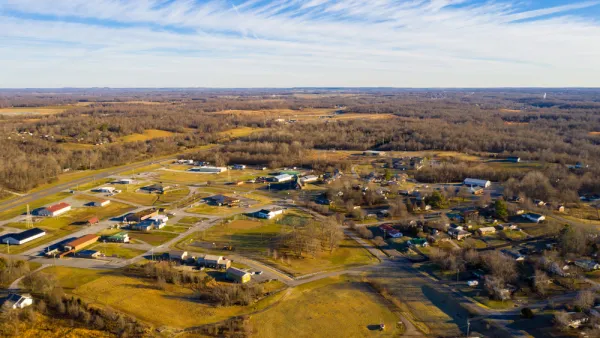
Senate Bill Would Support Rural Tenants
With housing costs skyrocketing, a proposed bill would extend assistance and help preserve affordable rental housing in rural areas.
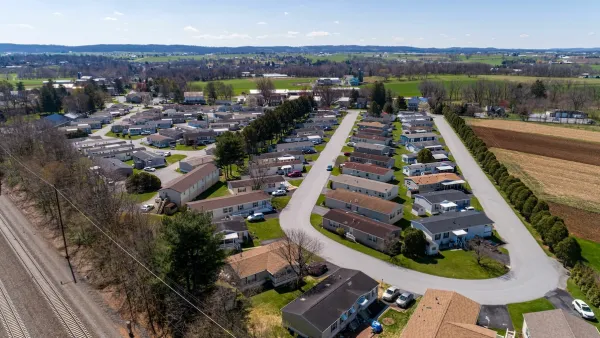
Rural Renters at Increased Risk of Eviction
Rural residents often have a harder time accessing legal assistance and eviction prevention resources.
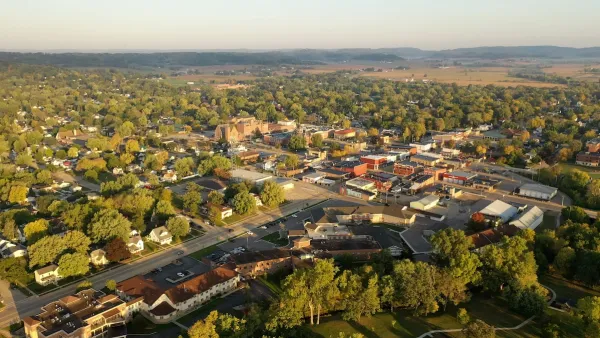
Opinion: Federal Government Must Continue Supporting Rural Housing Program
The incoming Congress will have a say in bolstering — or harming — the only federal housing program focused on affordable housing in rural areas.

Planetizen Federal Action Tracker
A weekly monitor of how Trump’s orders and actions are impacting planners and planning in America.

The state-sanctioned urbicide of Austin
People don’t kill cities. Freeways do.

US to reduce Colorado River water deliveries to Mexico
A new Colorado Treaty amendment reduces Mexico’s Colorado River water allocation by 250,000 acre feet.

5 New England states march closer to 800 megawatt wind energy project
Securing federal approval for the project may be complicated under the Trump administration, which has historically been hostile towards domestic wind power.

Baltimore to break ground on $50 million Transit Priority Project
The project will bring faster bus trips, safer streets and better bike connections to Baltimore.

Airbnb launches $250 million 'last-dollar financing' housing accelerator, makes first investment in Austin
The company will put $6.4 million towards affordable housing development in Texas’ capital.

FREE Course: Walkable City 1: Why Walkability?
After describing his path towards focusing on walkability as the essence of good planning, Jeff Speck marches through his five principal reasons for making more walkable places.
Reinventing Malls: Planning Alchemy—Turning Gray Fields Into Gold
The course focuses on the opportunities and imperatives that shape reinvention of mall sites.

Eagle County Government
Harvard University Graduate School of Design
Nashville Planning Department
The Architects Foundation
University of Cincinnati Online
The Pocatello Development Authority
The Urban Renewal Agency of the City of Pocatello
Journal of the American Planning Association