Surface parking lots take up as much as a third of downtown land in some cities, dragging down tax revenue and redevelopment prospects.


In an opinion piece in The Washington Post, Travis Meier calls on cities to enact policies that promote the redevelopment of the many underused or vacant surface parking lots that occupy, on average, one-quarter of land in American city centers. “Our nation’s downtowns are full of these neglected spaces — surface lots of crumbling asphalt and weeds, emblematic of absentee property owners and a disregard for the public good. Other lots, not entirely abandoned, are often underused and unkept.”
According to Meier, “City centers need density and connection; surface parking lots destroy both.” When it comes to local tax revenue, surface parking lots are also a losing proposition for cities, limiting tax revenue and slowing down the development process. “The lot is assessed at a low rate, so corporations and landowners sit on their cheap land, waiting years for a top-dollar bidder as downtown real estate gets more expensive.”
One proposal that would spur more development of vacant parking lots is a land value tax, which assesses properties based on potential value, thus eliminating the incentive for owners to sit on the land. “City leaders should also encourage land sales by actively seeking buyers, offering financial incentives and reorienting preexisting blight programs.”
FULL STORY: Opinion: Empty parking lots are a drag on America’s downtowns

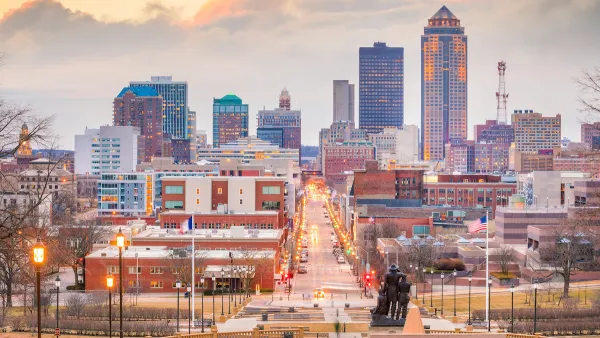
Des Moines Plans to Repurpose Downtown Parking Lots
City officials want to encourage the redevelopment of underused surface parking lots.
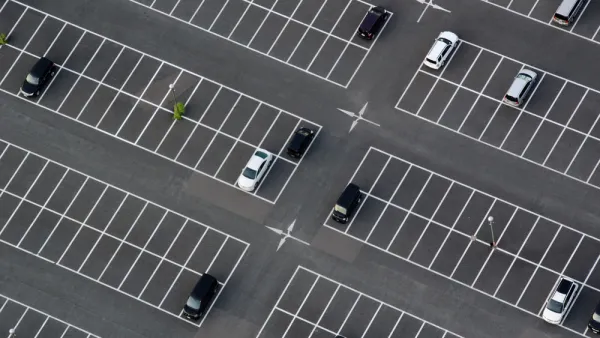
How Cities Are Slimming Down on Parking
Cities around the world are finding ways to go on a parking diet, freeing up unused space. San Francisco and Philadelphia are two U.S. leaders, while cities like Paris, Copenhagen, and Zurich pursue even more aggressive measures.
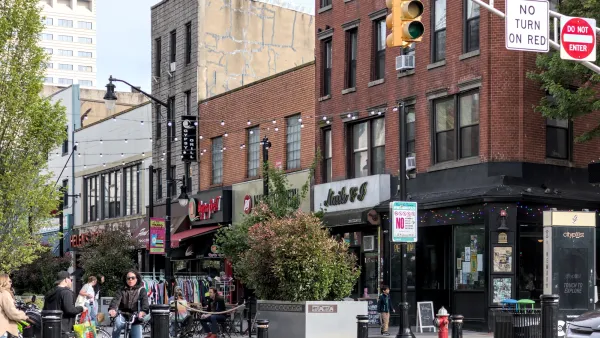
Jersey City could build 700 homes on city-owned parking lots
If approved, a redevelopment proposal would build hundreds of new homes on a pair of city parking lots.

The state-sanctioned urbicide of Austin
People don’t kill cities. Freeways do.

US to reduce Colorado River water deliveries to Mexico
A new Colorado Treaty amendment reduces Mexico’s Colorado River water allocation by 250,000 acre feet.

New Jersey’s second-largest city bans standalone data centers
Jersey City will continue to allow co-location facilities, such as those meant for research institutions that store their own data.

Amtrak not solely to blame for New Jersey commuter rail's unreliability, report finds
A new study from the Garden State Initiative found that NJ Transit’s budget grew 20% across a 4 year period, but reliability declined significantly over the same period.

EPA erases limits on planet-warming pollution from power plants
Under Monday’s plan, power plants would still have some limits on how much mercury, arsenic and other contaminants they can emit.

Phoenix announces new on-demand transit service, more frequent RAPID buses
Both new services will launch in October, and are part of Phoenix's Project Effective Access Solutions for Easing Congestion.

FREE Course: Walkable City 1: Why Walkability?
After describing his path towards focusing on walkability as the essence of good planning, Jeff Speck marches through his five principal reasons for making more walkable places.
Reinventing Malls: Planning Alchemy—Turning Gray Fields Into Gold
The course focuses on the opportunities and imperatives that shape reinvention of mall sites.

Eagle County Government
Harvard University Graduate School of Design
Nashville Planning Department
The Architects Foundation
University of Cincinnati Online
The Pocatello Development Authority
The Urban Renewal Agency of the City of Pocatello
Journal of the American Planning Association