A controversial policy is helping create more affordable housing units in the Massachusetts city, but fears of overwhelming density are likely unfounded.


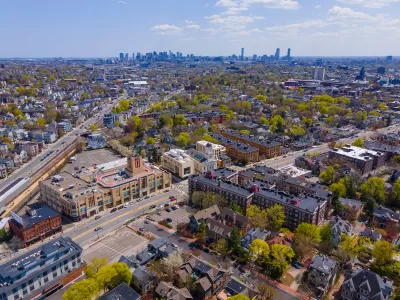
An article by Laurel M. Shugart and Olivia W. Zheng in The Harvard Crimson explains the Affordable Housing Overlay, a policy that aims to increase affordable housing in Cambridge by waiving certain height limits and zoning restrictions for affordable housing developments.
As the article points out, “Though the specific height limits for AHO projects vary across the city, in general, they are allowed to exceed normal height limits by between five and 85 feet. The AHO also allows for projects that are twice as dense than normal developments or more.” AHO projects are also not subject to Planning Board approval, but must still undergo a design consultation process.
Amendments to the AHO passed by the Cambridge City Council last year expand height limits to 12 stories in the densest parts of the city and give developers a more flexible unit size.
According to the article, more than 700 affordable rental units have been proposed under the AHO. However, even its supporters acknowledge that, for better of worse, the policy won’t change the city overnight, and will make only a small dent in the state’s housing crisis.
FULL STORY: Cambridge’s Landmark Affordable Housing Policy, Explained


California Gives 15 Cities ‘Final Warning’ to Submit Mandatory Housing Plans
Communities are required to produce housing elements that accommodate sufficient housing for all income levels.
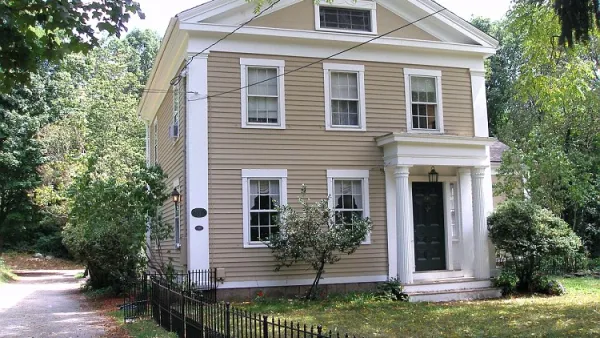
Small Connecticut Town Approves Controversial 96-Unit Apartment Complex
Just 1.4 percent of housing in the affluent enclave of Woodbridge qualifies as affordable.
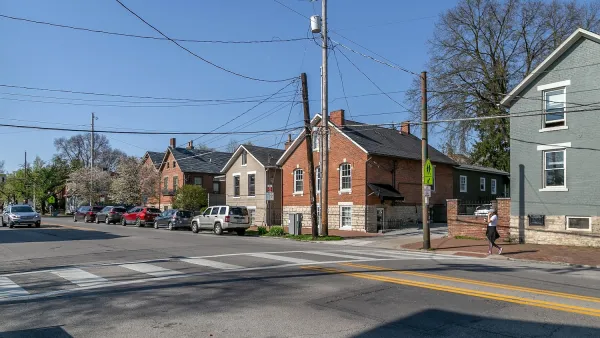
Columbus Introduces New Rules Allowing ADUs in all Residential Districts
The city’s recent zoning code updates include new rules for secondary housing units.

Planetizen Federal Action Tracker
A weekly monitor of how Trump’s orders and actions are impacting planners and planning in America.

The state-sanctioned urbicide of Austin
People don’t kill cities. Freeways do.

US to reduce Colorado River water deliveries to Mexico
A new Colorado Treaty amendment reduces Mexico’s Colorado River water allocation by 250,000 acre feet.

Mamdani overhauls NYC's Vision Zero plan with 100 new policy goals
The overhaul aims to reduce traffic deaths and make streets safer for pedestrians, cyclists and drivers through lower speed limits, new safety infrastructure and more.

Amtrak not solely to blame for New Jersey commuter rail's unreliability, report finds
A new study from the Garden State Initiative found that NJ Transit’s budget grew 20% across a 4 year period, but reliability declined significantly over the same period.

EPA erases limits on planet-warming pollution from power plants
Under Monday’s plan, power plants would still have some limits on how much mercury, arsenic and other contaminants they can emit.

FREE Course: Walkable City 1: Why Walkability?
After describing his path towards focusing on walkability as the essence of good planning, Jeff Speck marches through his five principal reasons for making more walkable places.
Reinventing Malls: Planning Alchemy—Turning Gray Fields Into Gold
The course focuses on the opportunities and imperatives that shape reinvention of mall sites.

Eagle County Government
Harvard University Graduate School of Design
Nashville Planning Department
The Architects Foundation
University of Cincinnati Online
The Pocatello Development Authority
The Urban Renewal Agency of the City of Pocatello
Journal of the American Planning Association