This year could mark a turning point for climate policy and energy systems.



An article by Dana Nuccitelli in Yale Climate Connections highlights climate topics that will likely remain in the news in 2024, commenting that the year could mark a turning point for clean energy.
With 2023 as the hottest year on record, reducing climate pollution is more urgent than ever. But there’s good news: “Although the clean technology investments were only starting to be deployed in 2023, U.S. climate pollution fell by about 2-3% compared to the previous year and is now 18-19% below 2005 levels.” In the European Union, pollution fell by 6 to 7 percent.
Clean technology saw record growth too, with China accounting for over half of solar panel installations worldwide. “Experts believe that if China continues its torrid pace of deploying solar panels and wind turbines, the country could begin to displace its fossil fuel consumption and start a structural decline in carbon pollution in 2024.”
Back stateside, “Congress is to negotiate the renewal of the Farm Bill this year, which is expected to include funding for natural climate solutions. Congressional lawmakers are also expected to continue to negotiate a permitting reform deal to expedite the deployment of energy infrastructure.”
FULL STORY: Climate news to watch in 2024


Climate Change Concerns Rising Among Americans
More Americans than ever agree climate change is happening—but fewer agree on what to do about it.
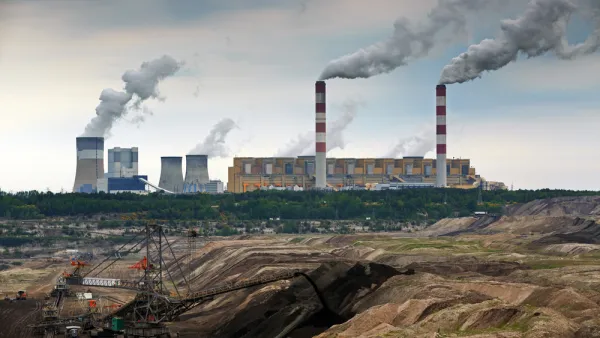
Ways the EPA Can Still Fight Climate Change
Despite the Supreme Court’s recent decision to limit the EPA’s ability to regulate emissions from power plants, the agency still has a range of tools at its disposal for enforcing pollution controls and reducing harmful emissions.
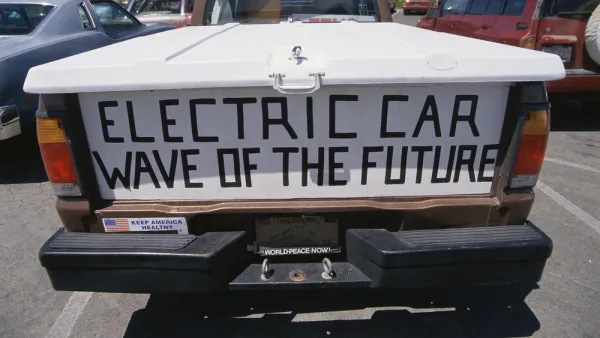
Exhaust-Free City Centers by 2030!
It’s time to harness technology for cleaner, healthier, and safer cities.

The state-sanctioned urbicide of Austin
People don’t kill cities. Freeways do.

US to reduce Colorado River water deliveries to Mexico
A new Colorado Treaty amendment reduces Mexico’s Colorado River water allocation by 250,000 acre feet.

New Jersey’s second-largest city bans standalone data centers
Jersey City will continue to allow co-location facilities, such as those meant for research institutions that store their own data.

Amtrak not solely to blame for New Jersey commuter rail's unreliability, report finds
A new study from the Garden State Initiative found that NJ Transit’s budget grew 20% across a 4 year period, but reliability declined significantly over the same period.

EPA erases limits on planet-warming pollution from power plants
Under Monday’s plan, power plants would still have some limits on how much mercury, arsenic and other contaminants they can emit.

Phoenix announces new on-demand transit service, more frequent RAPID buses
Both new services will launch in October, and are part of Phoenix's Project Effective Access Solutions for Easing Congestion.

FREE Course: Walkable City 1: Why Walkability?
After describing his path towards focusing on walkability as the essence of good planning, Jeff Speck marches through his five principal reasons for making more walkable places.
Reinventing Malls: Planning Alchemy—Turning Gray Fields Into Gold
The course focuses on the opportunities and imperatives that shape reinvention of mall sites.

Eagle County Government
Harvard University Graduate School of Design
Nashville Planning Department
The Architects Foundation
University of Cincinnati Online
The Pocatello Development Authority
The Urban Renewal Agency of the City of Pocatello
Journal of the American Planning Association