Access to quality internet connectivity in many tribal and rural communities lags far behind other regions.


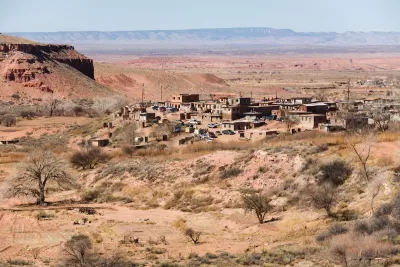
Native nations, often underserved by telecommunications services, are banding together to build broadband networks. Madyson Fitzgerald explains in Stateline, noting that “In 2020, more than 18% of people living on tribal lands didn’t have access to broadband technology, compared with about 4% of people living in non-tribal areas, according to a report from the U.S. Government Accountability Office.”
In Arizona, Hopi Telecommunications, which serves Hopi and Navajo communities with traditional internet, is now building a fiber optic network to bring high-speed internet to homes.
Federal and state government programs are helping fund broadband initiatives, too. “One of the measures in California’s Digital Equity Bill of Rights, a first-of-its-kind bill signed into law by Democratic Gov. Gavin Newsom in October, outlines how the state should ensure that all Californians have equal access to broadband.” The Federal Communication Commission’s (FCC) Affordable Connectivity Program subsidizes broadband service for households, but that program is in jeopardy unless it secures additional funding.
Other challenges for tribal broadband providers include maintaining sufficient staff and meeting high operational expenses in far-flung rural areas.
FULL STORY: Native nations with scarce internet are building their own broadband networks


Making Broadband Investments Count
As connectivity becomes increasingly important to everyday life, policymakers at all levels can take action to streamline broadband infrastructure projects and improve internet access for all communities.
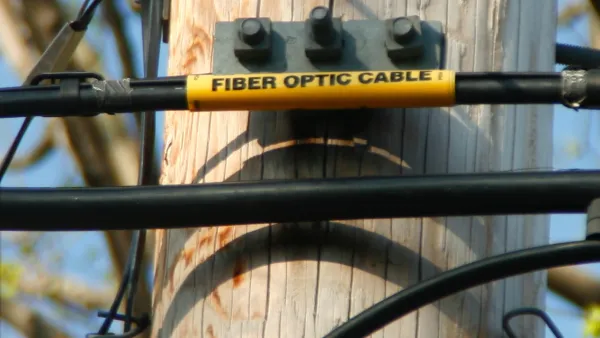
The World's 10 Best Connected Cities
A new report out this week has ranked the Top 10 "Internet Cities" around the globe, based on a set of five criteria: connection speed, availability of citywide WiFi, openness to innovation, support of public data, and security/data privacy.
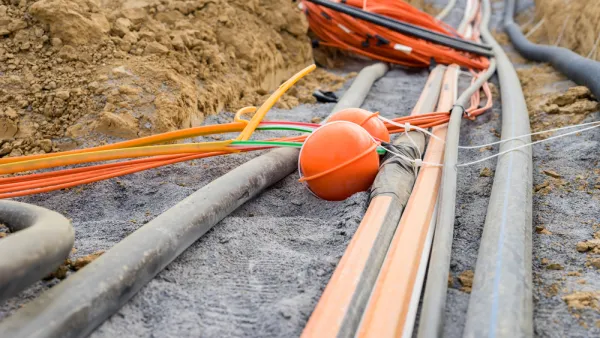
Broadband as Critical Transportation Infrastructure
The future of mobility depends on having a comprehensive, nationwide broadband network capable of supporting new transportation technologies and regulatory needs.

The state-sanctioned urbicide of Austin
People don’t kill cities. Freeways do.

US to reduce Colorado River water deliveries to Mexico
A new Colorado Treaty amendment reduces Mexico’s Colorado River water allocation by 250,000 acre feet.

New Jersey’s second-largest city bans standalone data centers
Jersey City will continue to allow co-location facilities, such as those meant for research institutions that store their own data.

Amtrak not solely to blame for New Jersey commuter rail's unreliability, report finds
A new study from the Garden State Initiative found that NJ Transit’s budget grew 20% across a 4 year period, but reliability declined significantly over the same period.

EPA erases limits on planet-warming pollution from power plants
Under Monday’s plan, power plants would still have some limits on how much mercury, arsenic and other contaminants they can emit.

Phoenix announces new on-demand transit service, more frequent RAPID buses
Both new services will launch in October, and are part of Phoenix's Project Effective Access Solutions for Easing Congestion.

FREE Course: Walkable City 1: Why Walkability?
After describing his path towards focusing on walkability as the essence of good planning, Jeff Speck marches through his five principal reasons for making more walkable places.
Reinventing Malls: Planning Alchemy—Turning Gray Fields Into Gold
The course focuses on the opportunities and imperatives that shape reinvention of mall sites.

Eagle County Government
Harvard University Graduate School of Design
Nashville Planning Department
The Architects Foundation
University of Cincinnati Online
The Pocatello Development Authority
The Urban Renewal Agency of the City of Pocatello
Journal of the American Planning Association