Research shows higher levels of noise in formerly redlined neighborhoods, disrupting the health of both human and animal residents.


Writing in Streetsblog USA, Kea Wilson describes the results of a study of 83 U.S. cities that highlights the relationship between redlining and noise pollution.
“Today, formerly redlined areas are still predominantly Black, brown, or low-income, too, and they still experience an average maximum noise value of 89.8 decibels — a level which the Centers for Disease Control says can damage hearing after less than two hours of exposure, in addition to increasing stress, disturbing sleep, and provoking a host of other health problems.”
As environmental justice advocates know, formerly redlined neighborhoods also tend to experience higher rates of traffic violence, increased flood risk, more air pollution, and other environmental burdens.
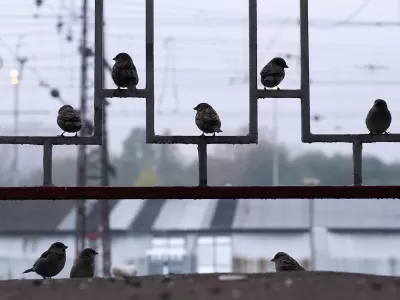
The study expands the analysis to include urban wildlife. “Even setting the obvious threat of roadkill aside, the researchers found that noise levels commonly experienced in redlined neighborhoods can themselves wreak havoc on local animal populations, disturbing their feeding, mating, and migration behaviors and drastically decreasing their numbers over time.”
The study’s authors say cities should approach noise management through a more intersectional lens that helps policymakers understand the invisible impacts of noise and “explore a wide range of strategies, including reducing vehicle speeds, building ‘good old-fashioned physical barriers’ and sound walls around high-volume areas, and increasing border vegetation and tree lines, in addition to buzzier ‘smart’ approaches like noise-reducing asphalt.”
FULL STORY: Car Noise Pollution is Worse in Redlined Neighborhoods — And Not Just for Humans


‘Quiet Parks’ Highlight Importance of Silence for Public Health
The initiative recognizes parks and other areas that preserve natural quiet in a world full of noise pollution.
Sound Equity: The Unequal Impacts of Covid’s ‘Great Silence’
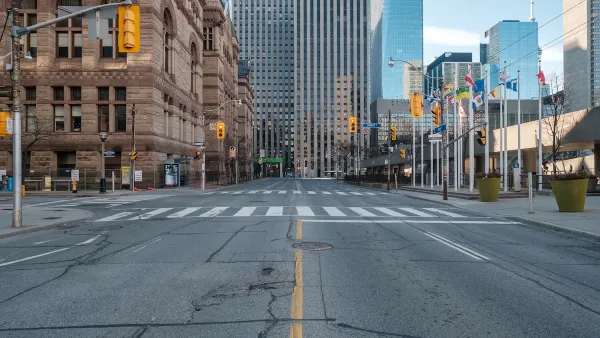
During the pandemic, many neighborhoods became quieter than ever—but not everyone experienced the benefits equally.

How Noise Pollution Impacts Nature
Overly loud noise isn’t just a public health risk for humans.

Planetizen Federal Action Tracker
A weekly monitor of how Trump’s orders and actions are impacting planners and planning in America.

The state-sanctioned urbicide of Austin
People don’t kill cities. Freeways do.

US to reduce Colorado River water deliveries to Mexico
A new Colorado Treaty amendment reduces Mexico’s Colorado River water allocation by 250,000 acre feet.

5 New England states march closer to 800 megawatt wind energy project
Securing federal approval for the project may be complicated under the Trump administration, which has historically been hostile towards domestic wind power.

Baltimore to break ground on $50 million Transit Priority Project
The project will bring faster bus trips, safer streets and better bike connections to Baltimore.

Airbnb launches $250 million 'last-dollar financing' housing accelerator, makes first investment in Austin
The company will put $6.4 million towards affordable housing development in Texas’ capital.

FREE Course: Walkable City 1: Why Walkability?
After describing his path towards focusing on walkability as the essence of good planning, Jeff Speck marches through his five principal reasons for making more walkable places.
Reinventing Malls: Planning Alchemy—Turning Gray Fields Into Gold
The course focuses on the opportunities and imperatives that shape reinvention of mall sites.

Eagle County Government
Harvard University Graduate School of Design
Nashville Planning Department
The Architects Foundation
University of Cincinnati Online
The Pocatello Development Authority
The Urban Renewal Agency of the City of Pocatello
Journal of the American Planning Association