A recent study from the University of Melbourne demonstrates the positive impacts small urban greening projects can have on city ecosystems.


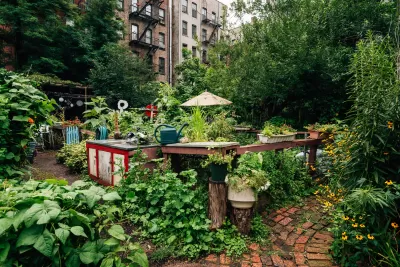
Urban greening is typically defined as the introduction or enhancement of vegetation in city settings and includes a wide range of initiatives, including (but not limited to) the development of large public parks, creation of community gardens, rooftop green spaces, and vertical gardens on building facades. In this article, Chrissy Sexton reports that a new study in Australia shows that even small urban greening projects can have real positive impacts on local biodiversity.
The study involved greening a 195-square-meter (2,099 square-foot) plot in Melbourne, surrounded by streets and buildings. The researchers measured the baseline insect numbers before planting twelve indigenous plant species. After three years, they found that increasing the diversity of native plants in the space led to more than seven times as many insect species. These findings bolster the increasingly recognized idea that integrating nature into urban environments and restoring urban degraded lands into parks and open space is not only good for human residents, but also plays a critical role in enhancing biodiversity and combating the repercussions of climate change.
FULL STORY: Small greening projects can dramatically boost urban biodiversity

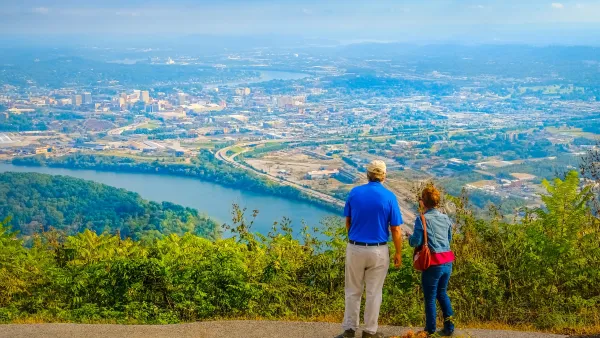
Chattanooga Earns North America’s First ‘National Park City’ Designation
The award recognizes cities that prioritize biodiversity and resident access to parks and green spaces.
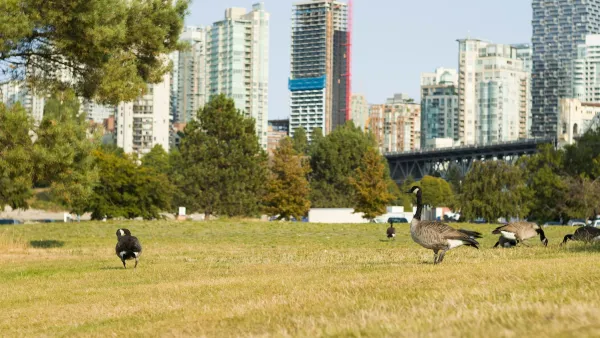
Study: How Urban Parks Can Support Biodiversity
Conservation and recreation can go hand in hand in urban green spaces designed to serve both humans and local wildlife.
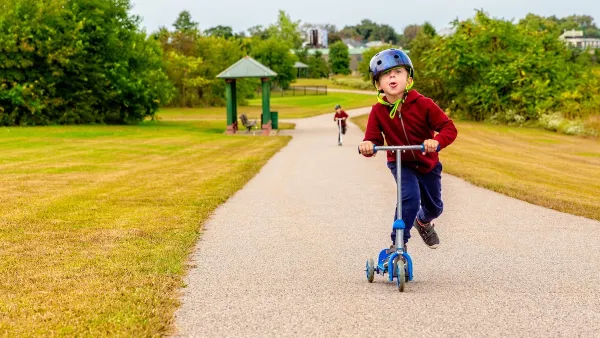
Parks as Community Lifelines: Supporting Residents During Times of Crisis
The Los Angeles County Department of Parks and Recreation demonstrates how parks serve as vital community infrastructure by adapting to crises, offering public health services, disaster relief, and essential support for residents in need.

Planetizen Federal Action Tracker
A weekly monitor of how Trump’s orders and actions are impacting planners and planning in America.

The state-sanctioned urbicide of Austin
People don’t kill cities. Freeways do.

US to reduce Colorado River water deliveries to Mexico
A new Colorado Treaty amendment reduces Mexico’s Colorado River water allocation by 250,000 acre feet.

5 New England states march closer to 800 megawatt wind energy project
Securing federal approval for the project may be complicated under the Trump administration, which has historically been hostile towards domestic wind power.

Baltimore to break ground on $50 million Transit Priority Project
The project will bring faster bus trips, safer streets and better bike connections to Baltimore.

Airbnb launches $250 million 'last-dollar financing' housing accelerator, makes first investment in Austin
The company will put $6.4 million towards affordable housing development in Texas’ capital.

FREE Course: Walkable City 1: Why Walkability?
After describing his path towards focusing on walkability as the essence of good planning, Jeff Speck marches through his five principal reasons for making more walkable places.
Reinventing Malls: Planning Alchemy—Turning Gray Fields Into Gold
The course focuses on the opportunities and imperatives that shape reinvention of mall sites.

Eagle County Government
Harvard University Graduate School of Design
Nashville Planning Department
The Architects Foundation
University of Cincinnati Online
The Pocatello Development Authority
The Urban Renewal Agency of the City of Pocatello
Journal of the American Planning Association