The massive federal injection of funding into housing programs has had major impacts on many Americans’ ability to stay housed and out of debt, but fears loom as the end of some funding sources nears.



Writing in Route Fifty, Molly Bolan outlines the results of pandemic-era federal housing investment distributed through the American Rescue Plan Act revealed in a report from the Treasury Department.
Overall, state and local governments have dedicated roughly $63 billion to housing programs and spent about 85 percent of the funds. “State and local governments have spent over $5.5 billion in Homeowner Assistance Funds to help nearly 400,000 households avoid foreclosure, and overall foreclosures nationwide are 13% below pre-pandemic levels.”
When it comes to renters, federal programs have funded over 12.3 million household payments and helped create eviction diversion and mediation programs.
The significant benefits of housing assistance signal the high level of need, prompting concern among advocates as these federal programs come to an end or run out of funds. Bolan points out that some states and cities are developing their own dedicated funding sources to extend housing assistance programs.
FULL STORY: By the numbers: How pandemic relief expanded affordable housing

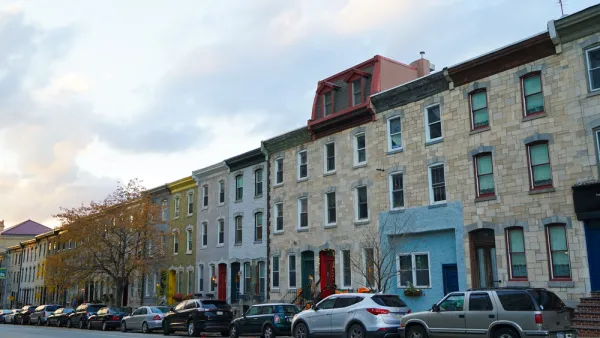
Philadelphia 'Diversion Program' Prevents Evictions Through Mediation
A program that provides mediation between landlords and tenants has helped a majority of applicants avoid eviction, signaling a promising avenue for renter assistance as landlords seek to recoup COVID-era losses.
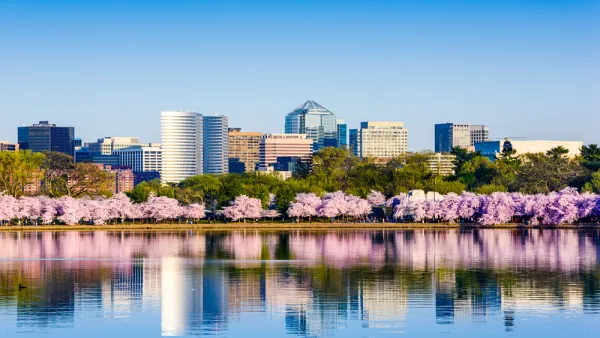
Report: DC Needs ‘Immense’ Funding Increase to Address Housing Crisis
Close to 60,000 District households can’t afford their housing costs, according to research from the Urban Institute.
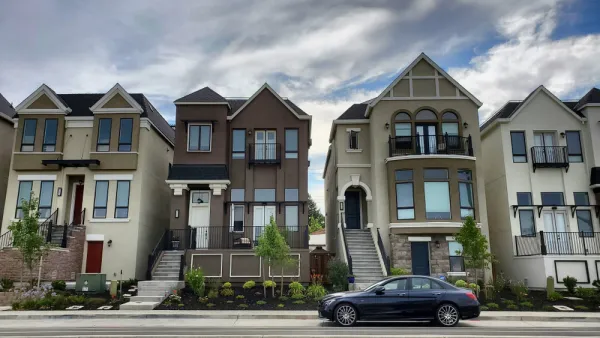
Sacramento Households Hit Hard by Evictions
With pandemic-era renter protections ending and rents rising by close to 20 percent, renters in Sacramento are finding it harder to afford housing in the region.

Planetizen Federal Action Tracker
A weekly monitor of how Trump’s orders and actions are impacting planners and planning in America.

The state-sanctioned urbicide of Austin
People don’t kill cities. Freeways do.

US to reduce Colorado River water deliveries to Mexico
A new Colorado Treaty amendment reduces Mexico’s Colorado River water allocation by 250,000 acre feet.

Mamdani overhauls NYC's Vision Zero plan with 100 new policy goals
The overhaul aims to reduce traffic deaths and make streets safer for pedestrians, cyclists and drivers through lower speed limits, new safety infrastructure and more.

Amtrak not solely to blame for New Jersey commuter rail's unreliability, report finds
A new study from the Garden State Initiative found that NJ Transit’s budget grew 20% across a 4 year period, but reliability declined significantly over the same period.

EPA erases limits on planet-warming pollution from power plants
Under Monday’s plan, power plants would still have some limits on how much mercury, arsenic and other contaminants they can emit.

FREE Course: Walkable City 1: Why Walkability?
After describing his path towards focusing on walkability as the essence of good planning, Jeff Speck marches through his five principal reasons for making more walkable places.
Reinventing Malls: Planning Alchemy—Turning Gray Fields Into Gold
The course focuses on the opportunities and imperatives that shape reinvention of mall sites.

Eagle County Government
Harvard University Graduate School of Design
Nashville Planning Department
The Architects Foundation
University of Cincinnati Online
The Pocatello Development Authority
The Urban Renewal Agency of the City of Pocatello
Journal of the American Planning Association