The Columbus city council approved 17 zoning changes that could result in over 800 new housing units.



The city council in Columbus, Ohio voted to approve 17 zoning changes aimed at creating almost 900 new housing units, half of them deemed affordable by the city’s standards, reports Bill Bush in The Columbus Dispatch.
Bush adds, “The new units will be spread across neighborhoods throughout the city, including in parts of the North, South and East sides, and will have an impact on the city's housing shortage, officials said.”
Bush notes that “the City Council typically approves ordinances related to constructing more than 8,000 new housing units per year,” but the council drew particular attention to this meeting’s actions as a sign of their goal of “being intentional in adding more housing units and affordable units.”
“The votes Monday changed the zoning on a total of about 35 acres. The rest dealt with granting variances from zoning requirements, such as reduced perimeters, allowing habitable space above detached garages, to permit apartment complexes with ‘reduced development standards’ and more.”
FULL STORY: Columbus City Council approves zoning changes it says intended to fight housing shortage


San Francisco Mayor’s ‘Family Zoning’ Plan Faces Pushback, Displacement Concerns
Newly proposed legislation aims to protect long-term tenants from displacement caused by Mayor Lurie’s proposed zoning reform plan, which would allow for more housing construction in parts of the city.

What Actually Got Built Under Eric Adams’ ‘Pro-Housing’ Administration
The outgoing mayor claims credit for hundreds of thousands of new homes. The truth is more complicated.
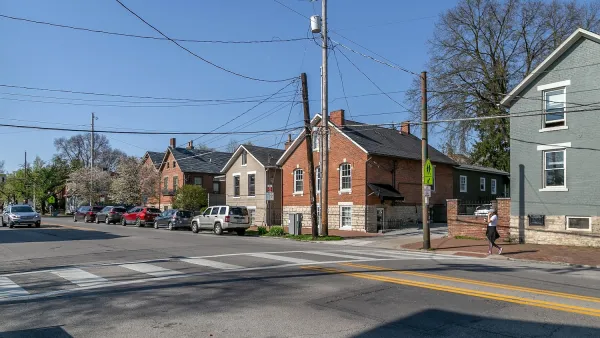
Columbus Introduces New Rules Allowing ADUs in all Residential Districts
The city’s recent zoning code updates include new rules for secondary housing units.

Planetizen Federal Action Tracker
A weekly monitor of how Trump’s orders and actions are impacting planners and planning in America.

The state-sanctioned urbicide of Austin
People don’t kill cities. Freeways do.

US to reduce Colorado River water deliveries to Mexico
A new Colorado Treaty amendment reduces Mexico’s Colorado River water allocation by 250,000 acre feet.

5 New England states march closer to 800 megawatt wind energy project
Securing federal approval for the project may be complicated under the Trump administration, which has historically been hostile towards domestic wind power.

Baltimore to break ground on $50 million Transit Priority Project
The project will bring faster bus trips, safer streets and better bike connections to Baltimore.

Airbnb launches $250 million 'last-dollar financing' housing accelerator, makes first investment in Austin
The company will put $6.4 million towards affordable housing development in Texas’ capital.

FREE Course: Walkable City 1: Why Walkability?
After describing his path towards focusing on walkability as the essence of good planning, Jeff Speck marches through his five principal reasons for making more walkable places.
Reinventing Malls: Planning Alchemy—Turning Gray Fields Into Gold
The course focuses on the opportunities and imperatives that shape reinvention of mall sites.

Eagle County Government
Harvard University Graduate School of Design
Nashville Planning Department
The Architects Foundation
University of Cincinnati Online
The Pocatello Development Authority
The Urban Renewal Agency of the City of Pocatello
Journal of the American Planning Association