A pilot program will use GPS-enabled devices to track driving habits, allowing cities to use the data to create road pricing fee structures based on hyper-local and individual driving needs.



Utah announced a pilot program that could lead to “hyper-specific” road usage fees based on drivers’ specific driving habits and needs.
The program uses an electronic dongle to monitor exactly where, when, and how much people drive. “Then, communities can consolidate that data into a single road usage charge that can be automatically adjusted based on their unique priorities — think extra tolls for using the express lane, or graduated fees for low-income motorists who truly have to drive — and automatically distributed to the agencies that manage the exact roadways those drivers' actually traveled.”
The concept is one way to replace gas tax revenue that many states rely on heavily for transportation funding and that will rapidly shrink as electric vehicles become a larger share of the market. But it could face resistance from drivers with privacy concerns, Wilson notes. “Even if most U.S. drivers get past privacy concerns about equipping their vehicles with hyper-accurate GPS dongles and the dizzying network of high-tech eyes that are already watching them, they might fight back against being charged more for entering a busy downtown at rush hour, as New York City's long, messy congestion pricing fight has illustrated all too plainly.”
In the future, cities could use the technology to incentivize a reduction in driving or charge vehicles based on weight “to compensate for the extra damage they cause to roads (and the bodies of pedestrians they strike).”
FULL STORY: Utah’s ‘Road Usage Charging’ Pilot Could Finally Price the Roads Properly


Michigan Considers Mileage-Based Road Usage Fee Pilot Program
Exploring alternative road funding options is a priority for Michigan legislators to make up the state’s road funding gap.
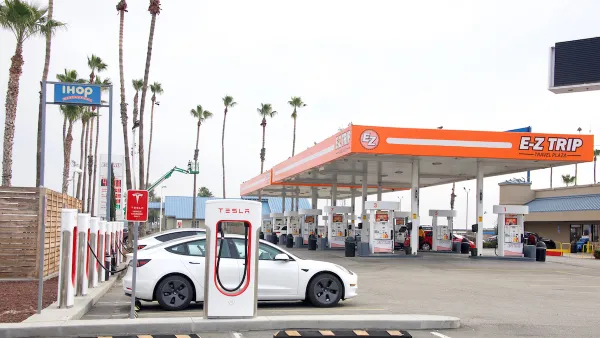
California Poised to Lose Up to $4 Billion in Gas Tax Revenue
States must find other ways to fund transportation projects as the transportation sector moves toward decarbonization.
Over $14 Million Awarded to Eight Projects to Find Alternatives to Gas Taxes
The U.S. Department of Transportation is funding ways to transition from the gas tax to other user-based revenue mechanisms to fund transportation infrastructure. The federal gas tax hasn't keep pace with transportation expenditures since 2008.

The state-sanctioned urbicide of Austin
People don’t kill cities. Freeways do.

US to reduce Colorado River water deliveries to Mexico
A new Colorado Treaty amendment reduces Mexico’s Colorado River water allocation by 250,000 acre feet.

New Jersey’s second-largest city bans standalone data centers
Jersey City will continue to allow co-location facilities, such as those meant for research institutions that store their own data.

Amtrak not solely to blame for New Jersey commuter rail's unreliability, report finds
A new study from the Garden State Initiative found that NJ Transit’s budget grew 20% across a 4 year period, but reliability declined significantly over the same period.

EPA erases limits on planet-warming pollution from power plants
Under Monday’s plan, power plants would still have some limits on how much mercury, arsenic and other contaminants they can emit.

Phoenix announces new on-demand transit service, more frequent RAPID buses
Both new services will launch in October, and are part of Phoenix's Project Effective Access Solutions for Easing Congestion.

FREE Course: Walkable City 1: Why Walkability?
After describing his path towards focusing on walkability as the essence of good planning, Jeff Speck marches through his five principal reasons for making more walkable places.
Reinventing Malls: Planning Alchemy—Turning Gray Fields Into Gold
The course focuses on the opportunities and imperatives that shape reinvention of mall sites.

Eagle County Government
Harvard University Graduate School of Design
Nashville Planning Department
The Architects Foundation
University of Cincinnati Online
The Pocatello Development Authority
The Urban Renewal Agency of the City of Pocatello
Journal of the American Planning Association