A new documentary shows the ways that infrastructure designed for cars and not people is making us ill.


Does auto-oriented infrastructure make us physically and mentally ill? This is the question that a documentary in the works by Andy Boenau aims to explore. Kea Wilson describes the project in Streetsblog USA.
Decades of research have shown that residents of car-dependent places have higher rates of heart disease, diabetes, chronic respiratory conditions and other ailments associated with sedentary lifestyles and car pollution, especially when compared to residents of walkable areas, who also report higher levels of happiness and a host other social, emotional, and physical benefits.
Boenau says, “it’s even worse than you think it is, but it can get better. As awful as some state regulations are, this is problem so fixable at the local level.”
According to Wilson, “Boenau says he expects even the most well-informed sustainable transportation advocates will learn something new when the film comes together — and his biggest challenge will be keeping it under a one-hour run-time.”
Read the full story: How Auto-Centric Infrastructure is Making Us Sick

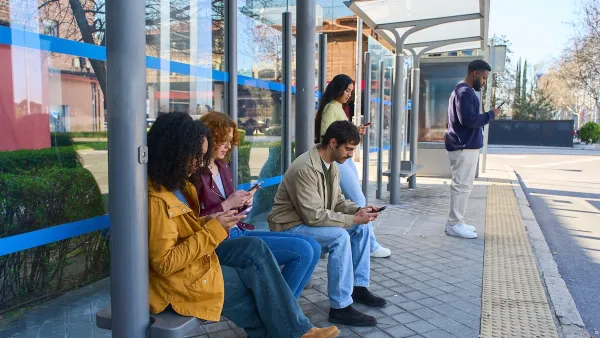
Opinion: Smartphone Dependency Mirrors Car-Centric Development
Decades ago, we started building a society based around car ownership, making it difficult to navigate U.S. cities without one. Are we making the same mistakes with smartphones?
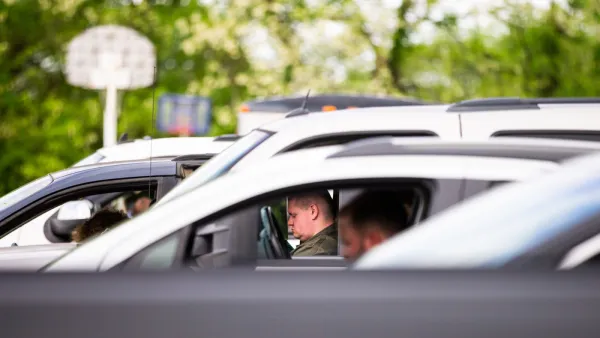
Study: Automobile Dependency Reduces Life Satisfaction
Automobile dependency has negative implications for wellbeing. This academic study finds that relying on a car for more than 50 percent of out-of-home travel is associated with significant reductions in life satisfaction.

Opinion: Why Linking Driving to GDP Misses the Point
The argument that car-centric development is good because it boosts national GDP ignores the massive costs of driving to everyday Americans.

Planetizen Federal Action Tracker
A weekly monitor of how Trump’s orders and actions are impacting planners and planning in America.

The state-sanctioned urbicide of Austin
People don’t kill cities. Freeways do.

US to reduce Colorado River water deliveries to Mexico
A new Colorado Treaty amendment reduces Mexico’s Colorado River water allocation by 250,000 acre feet.

Nation's most wind-powered state turns to coal as data centers increase energy demand
For the first time in decades, Iowa has increased its generation of coal power.

NYC cools commuters with city's first rain garden above a bus stop
New York City officials say the plants in the rain garden can absorb 16 gallons of rainwater during heavy storms.

Brightline West’s future may rely on $6 billion federal loan
The company has until Nov. 2 to make a $400 million equity investment into its proposed high-speed rail line.

FREE Course: Walkable City 1: Why Walkability?
After describing his path towards focusing on walkability as the essence of good planning, Jeff Speck marches through his five principal reasons for making more walkable places.
Reinventing Malls: Planning Alchemy—Turning Gray Fields Into Gold
The course focuses on the opportunities and imperatives that shape reinvention of mall sites.

Eagle County Government
Harvard University Graduate School of Design
Nashville Planning Department
The Architects Foundation
University of Cincinnati Online
The Pocatello Development Authority
The Urban Renewal Agency of the City of Pocatello
Journal of the American Planning Association