Building on the roughly 76 million square feet of vacant land already zoned for multifamily housing could create badly needed rental housing units and slow the growth of rent prices.


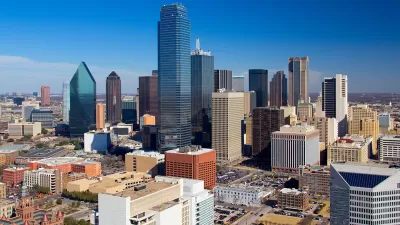
If Dallas were to develop the 475 vacant lots already zoned for multifamily housing in the city, it could build as many as 100,000 new housing units, reports Alexandra Both in an analysis on RentCafe. Both points out that “That’s more than the total number of apartments built in the city since 2000.”
RentCafe created a map of vacant lots and zoning restrictions in Dallas, revealing the zip codes that could house the most new rental housing. The RentCafe analysis found that, in addition to the 76 million square feet of vacant parcels already zoned for multifamily housing, “in total, Dallas has more than 494 million square feet of vacant land scattered around 3,152 parcels that could be used to build more housing” if rezoned to allow multifamily development.
According to Both, “Through strategic rezoning, the city could unlock even more potential for affordable and diverse housing options, that would not only alleviate the housing shortage but also drive Dallas towards a more equitable future.”
Developers blame the city’s long, uncertain permitting process and high fees for discouraging more construction. A bill proposed in the state legislature, House Bill 14, would let developers use a third party contractor to perform reviews and approve permits if the city doesn’t do so within a 15 day deadline.
FULL STORY: Unlocking Dallas’ Housing Potential: Existing Vacant Land Could Hold 100,000 New Apartments

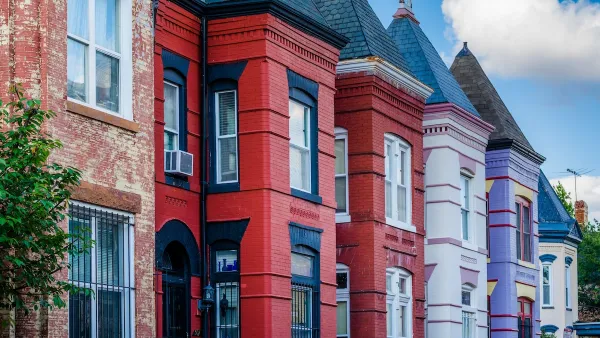
DC Residents Want Affordability Over ‘Character’
A poll finds that most residents want to see changes in zoning and land use laws that unlock more housing construction in the District and improve affordability.
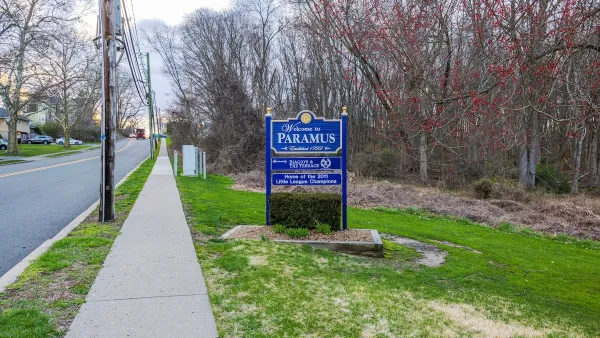
New Jersey Calls for 85,000 New Housing Units
A state law known as the Mount Laurel Doctrine mandates that each jurisdiction accommodate enough new housing units to meet the local demand for affordable housing.

Zoning Reform Is Working in Minneapolis
The city has grown its housing stock and limited rent cost increase to just 1 percent.

Planetizen Federal Action Tracker
A weekly monitor of how Trump’s orders and actions are impacting planners and planning in America.

The state-sanctioned urbicide of Austin
People don’t kill cities. Freeways do.

US to reduce Colorado River water deliveries to Mexico
A new Colorado Treaty amendment reduces Mexico’s Colorado River water allocation by 250,000 acre feet.

5 New England states march closer to 800 megawatt wind energy project
Securing federal approval for the project may be complicated under the Trump administration, which has historically been hostile towards domestic wind power.

Baltimore to break ground on $50 million Transit Priority Project
The project will bring faster bus trips, safer streets and better bike connections to Baltimore.

Airbnb launches $250 million 'last-dollar financing' housing accelerator, makes first investment in Austin
The company will put $6.4 million towards affordable housing development in Texas’ capital.

FREE Course: Walkable City 1: Why Walkability?
After describing his path towards focusing on walkability as the essence of good planning, Jeff Speck marches through his five principal reasons for making more walkable places.
Reinventing Malls: Planning Alchemy—Turning Gray Fields Into Gold
The course focuses on the opportunities and imperatives that shape reinvention of mall sites.

Eagle County Government
Harvard University Graduate School of Design
Nashville Planning Department
The Architects Foundation
University of Cincinnati Online
The Pocatello Development Authority
The Urban Renewal Agency of the City of Pocatello
Journal of the American Planning Association