The terminal, sold last year, is the only intercity bus station in the city, serving hundreds of thousands of mostly low-income travelers each year.


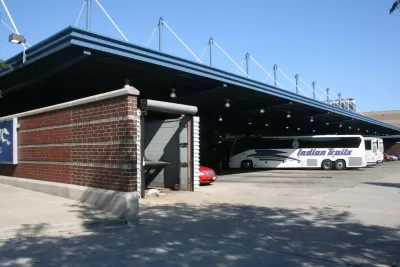
The only intercity bus terminal in Chicago, formerly belonging to Greyhound, could close as a result of the company’s acquisition by FlixMobility. Dan Zukowski outlines the story in Smart Cities Dive, noting that “All but two of Greyhound’s former properties were sold by September 2022, causing cities to lose enclosed bus stations and forcing riders to wait at curbside or other locations lacking waiting rooms and other amenities.”
According to a brief from the Chaddick Institute for Metropolitan Development at DePaul University, “Allowing the closure of the Greyhound Station without giving passengers an attractive alternative that is both centrally located and equipped with an indoor waiting room would make metropolitan Chicago a weak link in the national intercity bus system.” The station currently serves between 456,000 and 557,000 riders per year, according to a Chaddick estimate, with almost 400,000 more riders using curbside pickup locations, which lack protection from winter weather and heat, for Greyhound and other bus lines.
The brief calls on the city to take over operations of the bus station and keep it in service for the passengers who rely on it and explore options for expanding intercity bus service to and from Chicago.
FULL STORY: Chicago may lose its only intercity bus station, placing burden on disadvantaged travelers


Chicago Bus Travelers Could Lose Downtown Terminal — and Winter is Coming
As the loss of intercity bus services and stations continues, Chicago could become the largest city in the developed world without a major downtown bus terminal.
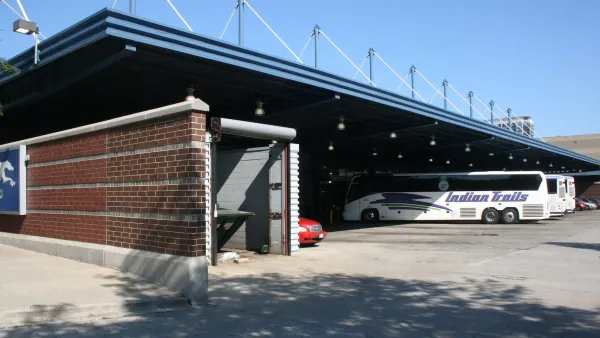
Chicago approves city buyout of downtown Greyhound station
The city is also budgeting $30 million for repairs to the city's only intercity bus station.
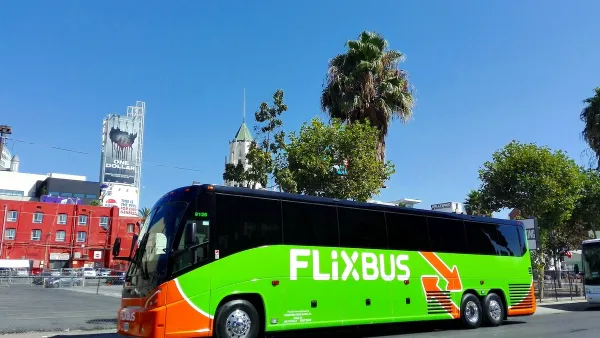
Intercity Bus Ridership Grows Despite Service Cuts
Passengers continue to rely on intercity bus lines, even as cities shutter bus terminals and bus companies restructure to avoid financial failure.

The state-sanctioned urbicide of Austin
People don’t kill cities. Freeways do.

US to reduce Colorado River water deliveries to Mexico
A new Colorado Treaty amendment reduces Mexico’s Colorado River water allocation by 250,000 acre feet.

New Jersey’s second-largest city bans standalone data centers
Jersey City will continue to allow co-location facilities, such as those meant for research institutions that store their own data.

Amtrak not solely to blame for New Jersey commuter rail's unreliability, report finds
A new study from the Garden State Initiative found that NJ Transit’s budget grew 20% across a 4 year period, but reliability declined significantly over the same period.

EPA erases limits on planet-warming pollution from power plants
Under Monday’s plan, power plants would still have some limits on how much mercury, arsenic and other contaminants they can emit.

Phoenix announces new on-demand transit service, more frequent RAPID buses
Both new services will launch in October, and are part of Phoenix's Project Effective Access Solutions for Easing Congestion.

FREE Course: Walkable City 1: Why Walkability?
After describing his path towards focusing on walkability as the essence of good planning, Jeff Speck marches through his five principal reasons for making more walkable places.
Reinventing Malls: Planning Alchemy—Turning Gray Fields Into Gold
The course focuses on the opportunities and imperatives that shape reinvention of mall sites.


Eagle County Government
Harvard University Graduate School of Design
Nashville Planning Department
The Architects Foundation
University of Cincinnati Online
The Pocatello Development Authority
The Urban Renewal Agency of the City of Pocatello
Journal of the American Planning Association