Just over half of people in the ‘Y’ generation now own homes, but the largest generation also continues to dominate the rental market.



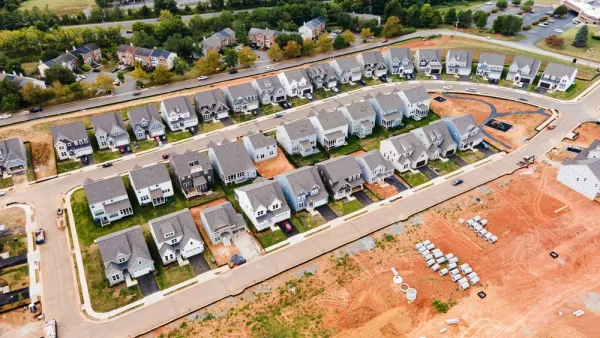
Millennials are now more likely to own a home than rent with 51.5 percent of people in the age range owning a home, reports Alexandra Both for RentCafe. “In fact, this demographic gained 10.8 million homeowners in the last decade, including 7.1 million in the last five years to reach 18.2 million in 2022.”
However, as the largest generation, “Millennials remained the dominant renter generation, with 17.2 million renter households.” According to Both, “Gen Z is now the only renter-majority generation with a 74% share and 4.5 million renters added in the last five years, more than any other age group.”
Both explains that homeownership happened later in life for most Millennials due in part to housing affordability (or lack thereof) and generational values. Homeownership amongst Millennials grew in recent years as median income for their generation reached a historic high and pandemic conditions allowed many to save for a down payment. “Millennial homebuyers also received financial support from their parents for their mortgage down payment, according to a LendingTree survey.”
FULL STORY: Millennials Make Historic Switch From Renter-Majority to Homeowner-Majority Generation


Report: Just 17% of Gen Z Americans Own Homes
The number of Gen Z renters grew from 700,000 to 4.4 million in the last five years.

Just 15 Percent of U.S. Renters Could Afford Homeownership
In some markets, as few as 2.6 percent of renter households could afford the cost of an average home.
A Big Picture of the US Housing Market
A new report highlights the factors driving up housing costs around the country.

Planetizen Federal Action Tracker
A weekly monitor of how Trump’s orders and actions are impacting planners and planning in America.

The state-sanctioned urbicide of Austin
People don’t kill cities. Freeways do.

US to reduce Colorado River water deliveries to Mexico
A new Colorado Treaty amendment reduces Mexico’s Colorado River water allocation by 250,000 acre feet.

5 New England states march closer to 800 megawatt wind energy project
Securing federal approval for the project may be complicated under the Trump administration, which has historically been hostile towards domestic wind power.

Baltimore to break ground on $50 million Transit Priority Project
The project will bring faster bus trips, safer streets and better bike connections to Baltimore.

Airbnb launches $250 million 'last-dollar financing' housing accelerator, makes first investment in Austin
The company will put $6.4 million towards affordable housing development in Texas’ capital.

FREE Course: Walkable City 1: Why Walkability?
After describing his path towards focusing on walkability as the essence of good planning, Jeff Speck marches through his five principal reasons for making more walkable places.
Reinventing Malls: Planning Alchemy—Turning Gray Fields Into Gold
The course focuses on the opportunities and imperatives that shape reinvention of mall sites.

Eagle County Government
Harvard University Graduate School of Design
Nashville Planning Department
The Architects Foundation
University of Cincinnati Online
The Pocatello Development Authority
The Urban Renewal Agency of the City of Pocatello
Journal of the American Planning Association