The number of Gen Z renters grew from 700,000 to 4.4 million in the last five years.



Gen Z Americans are reshaping the housing market, with a sixfold surge in young renters in the last five years.
As Alexandra Both explains in a piece for RentCafe, the number of Gen Z renters grew from 700,000 to 4.4 million. Just 17 percent of Gen Zers own a home, lagging behind their older Millennial counterparts, more than half of whom are homeowners.
The growth in young population isn’t just happening in coastal cities. Birmingham, Alabama now leads the nation in young renter growth, followed by Raleigh, North Carolina and Nashville, Tennessee. “California metro areas have the highest concentrations of Gen Z renters, led by Silicon Valley’s San Jose. Here, close to 95% of all Gen Zers rent. Not far down the list we have San Francisco (#4), San Diego (#7), Los Angeles (#8) and Sacramento, CA (#17), where soaring home prices make renting more appealing for career-driven digital natives.”
Homeownership remains out of reach for much of the Gen Z cohort. Ogden, Utah has the highest percentage of Gen Z homeowners at 41 percent. “Further down the list are mid-sized metro areas in the South and Midwest, where affordability, job opportunities and strong income growth coexist harmoniously.”
FULL STORY: Gen Z housing hotspots: Southern metros lead in renter growth while buyers turn to the Midwest

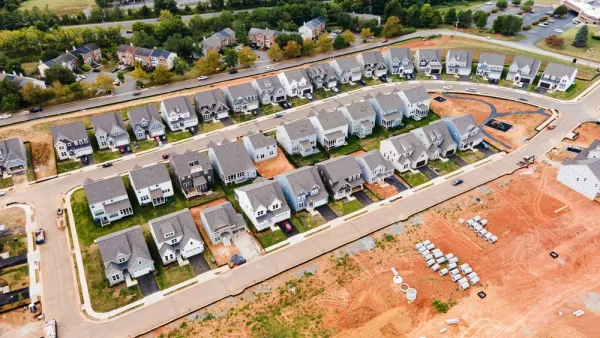
A Big Picture of the US Housing Market
A new report highlights the factors driving up housing costs around the country.
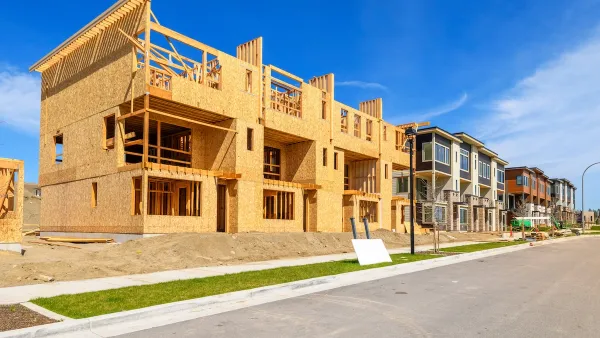
More Apartments Are Being Built in Less-Dense Areas
Rising housing costs in urban cores and a demand for rental housing is driving more multifamily development to exurbs and small metros.
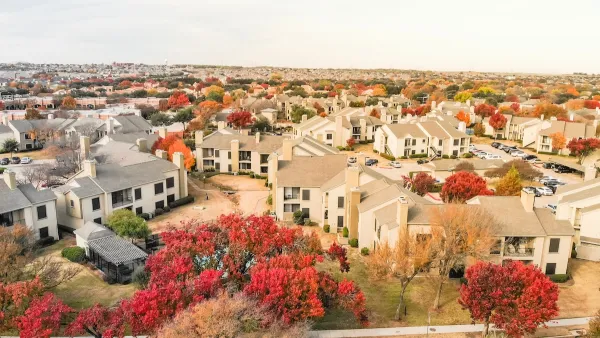
Renters Now Outnumber Homeowners in Over 200 US Suburbs
High housing costs in city centers and the new-found flexibility offered by remote work are pushing more renters to suburban areas.

The state-sanctioned urbicide of Austin
People don’t kill cities. Freeways do.

US to reduce Colorado River water deliveries to Mexico
A new Colorado Treaty amendment reduces Mexico’s Colorado River water allocation by 250,000 acre feet.

New Jersey’s second-largest city bans standalone data centers
Jersey City will continue to allow co-location facilities, such as those meant for research institutions that store their own data.

Amtrak not solely to blame for New Jersey commuter rail's unreliability, report finds
A new study from the Garden State Initiative found that NJ Transit’s budget grew 20% across a 4 year period, but reliability declined significantly over the same period.

EPA erases limits on planet-warming pollution from power plants
Under Monday’s plan, power plants would still have some limits on how much mercury, arsenic and other contaminants they can emit.

Phoenix announces new on-demand transit service, more frequent RAPID buses
Both new services will launch in October, and are part of Phoenix's Project Effective Access Solutions for Easing Congestion.

FREE Course: Walkable City 1: Why Walkability?
After describing his path towards focusing on walkability as the essence of good planning, Jeff Speck marches through his five principal reasons for making more walkable places.
Reinventing Malls: Planning Alchemy—Turning Gray Fields Into Gold
The course focuses on the opportunities and imperatives that shape reinvention of mall sites.

Eagle County Government
Harvard University Graduate School of Design
Nashville Planning Department
The Architects Foundation
University of Cincinnati Online
The Pocatello Development Authority
The Urban Renewal Agency of the City of Pocatello
Journal of the American Planning Association