The development will also include communal kitchens, community gardens, and other shared spaces aimed at bringing neighbors together.


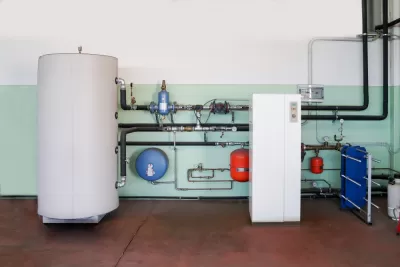
A 33-unit ‘co-housing’ development in East Houston will be the multifamily project in the region to use geothermal heating and cooling systems, reports Kyra Buckley in the Houston Chronicle. “Geothermal is a renewable energy source created by drilling, using the earth’s natural heat for energy and releasing nearly zero greenhouse gas emissions in the process.” While the technology is not new, it has not been widely adopted in residential buildings in part due to high up-front installation costs, which can be 50 percent higher than other options.
“The co-housing project is drilling 62 vertical wells as deep as 300 feet. Two pipes are inserted into each well, connecting at the bottom to form a U-shape. The series of U-shaped pipes are connected to the buildings' heat pumps, which are designed to provide heating, cooling and hot water. ” The developers will use federal tax credits to pay back some of the cost of the system.
CoHousing Houston also claims to be the state’s first formal co-housing project, with shared spaces like kitchens and community gardens, and “will have a Homeowner’s Association when residents move in, as well as a set of community agreements. Members are to make decisions on a consensus basis, providing input on nearly every stage of the site selection, design and development process.” The community is set to open in 2024.
Read the full story: Houston housing community plans to tap geothermal energy in East End

Denver is building a sewage-powered thermal energy network
A proposed thermal energy network will harness heat from the earth and from wastewater to power renewable heating and cooling systems.
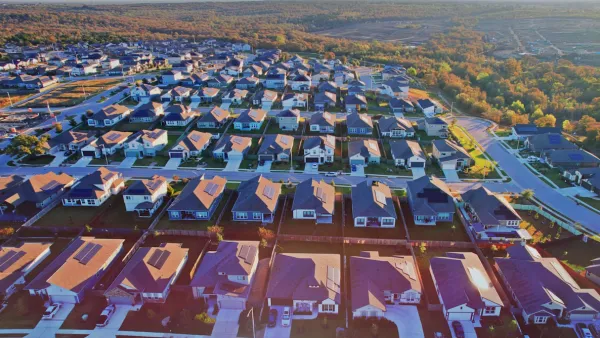
A New Texas Neighborhood is Powered by Geothermal Energy
The 7,500-home development claims to be Austin’s ‘first zero energy planned community.’
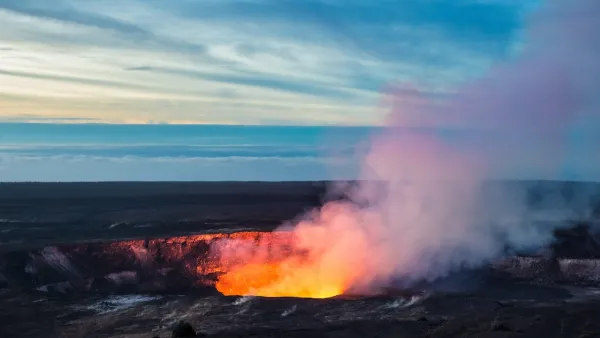
Can Geothermal Energy Fuel Hawaiʻi’s Future?
Gavin Murphy, a New Zealand-based consultant with experience in indigenous-led geothermal projects, argues that Hawaiʻi is poised to achieve energy independence and economic growth by respectfully developing its untapped geothermal resources.

Planetizen Federal Action Tracker
A weekly monitor of how Trump’s orders and actions are impacting planners and planning in America.

California plans to bury El Niño’s downpour
If the state plays its cards right, it may be able to store a billion acre-feet of El Niño’s water in aquifers.

Desperate measures: Advocates weigh draining Lake Powell to fill Colorado River
Draining the reservoir could reduce evaporation losses by a couple hundred thousand acre-feet.

Chicago Avenue bridge construction delays enrages city leaders
The bridge has been closed since 2025. The city originally aimed to re-open it in December, and now expects to finish construction in 2027.

NYC bus network redesign speeds up Queens buses
Rush routes have seen a 4.6% speed increase after the redesign.

California High-Speed Rail Authority picks trainset manufacturer
The California High-Speed Rail Authority aims to start servicing passengers by 2033.

FREE Course: Walkable City 1: Why Walkability?
After describing his path towards focusing on walkability as the essence of good planning, Jeff Speck marches through his five principal reasons for making more walkable places.
Reinventing Malls: Planning Alchemy—Turning Gray Fields Into Gold
The course focuses on the opportunities and imperatives that shape reinvention of mall sites.

City of Rosemead
Rutgers University, Edward J. Bloustein School of Planning and Public Policy
One Hundred Miles
Hunter College, City University of New York (CUNY)
The Architects Foundation
University of Cincinnati Online
City of Cambridge
Montrose County
The Pocatello Development Authority