The Infrastructure Investment and Jobs Act of 2021 has provided funding for Amtrak to make some sorely needed improvements throughout the system.


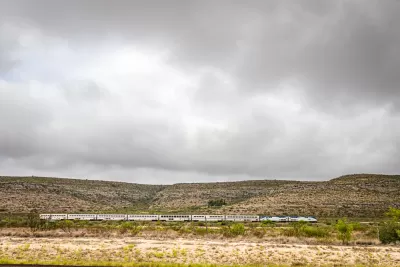
Amtrak has received the first $4.3 billion of an expected $22 billion over the next five years—funding from the Infrastructure Investment and Jobs Act, which I expected to help overhaul intercity passenger rail around the country. According to an article by Dan Zukowski, Amtrak intends to use the funding to modernize the system by bringing stations into accordance with Americans with Disabilities Act requirements and upgrading trains.
The new funding also comes as system ridership inches closer to pre-pandemic totals. “The passenger railroad announced Tuesday that its ridership grew 89% in fiscal year 2022, which ended Sept. 30. Total ridership of 22.9 million, however, remains below the 32.5 million passengers Amtrak carried in fiscal 2019,” reports Zukowski.
More details of Amtrak ridership and other planned intercity rail projects are included in the article below.
Read the full story: Amtrak gets $4.3B to improve intercity passenger rail network

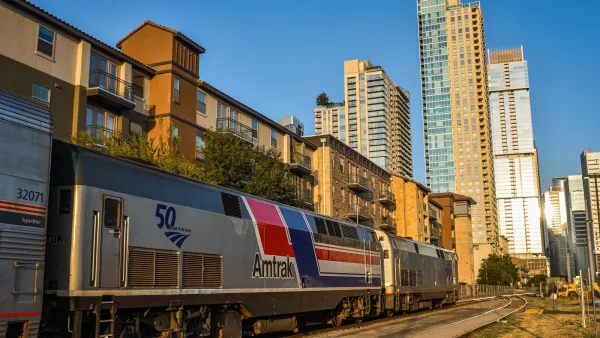
Texas DOT report outlines options for commuter rail between Austin and San Antonio
Amtrak currently operates just one trip per day between the two cities.
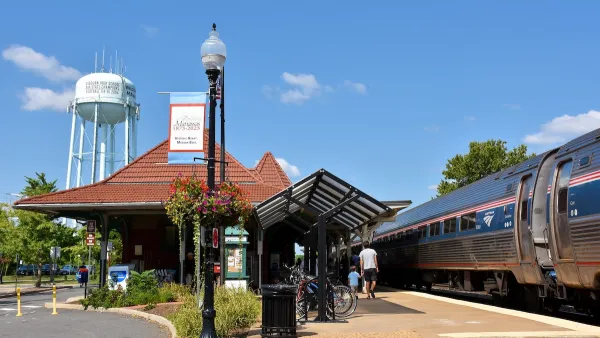
Amtrak Virginia Ridership Increased Exponentially This Year. But is Future Growth in Jeopardy?
The rail system keeps gaining riders and seeks to expand their reach to other areas in the commonwealth amid federal mass layoffs and budget cuts.
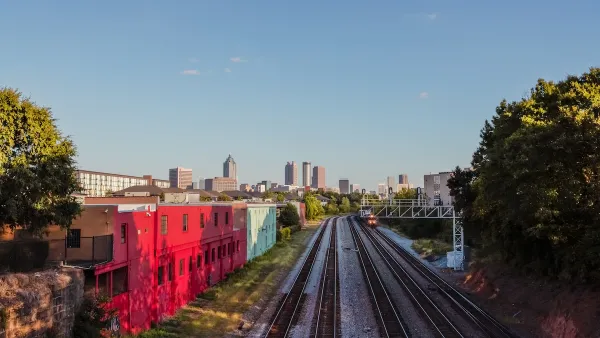
Georgia DOT Studying Atlanta-to-Savannah Train
The agency is studying the potential of intercity rail, with Atlanta as a strategic Amtrak hub.

Planetizen Federal Action Tracker
A weekly monitor of how Trump’s orders and actions are impacting planners and planning in America.

California plans to bury El Niño’s downpour
If the state plays its cards right, it may be able to store a billion acre-feet of El Niño’s water in aquifers.

Chicago breaks ground on $3 billion megadevelopment
The new neighborhood, titled Foundry Park, will one day host 3,700 residences.

California High-Speed Rail Authority CEO resigns after $600,000 scandal
Under Ian Choudri, the authority used taxpayer dollars to fund first class flights and trips to nightclubs.

Want to study the Missouri River? Soon, you may need unanimous approval from 10 states
Legislation would require 10 governors’ permission to study or build projects moving water outside the basin.

Desperate measures: Advocates weigh draining Lake Powell to fill Colorado River
Draining the reservoir could reduce evaporation losses by a couple hundred thousand acre-feet.

FREE Course: Walkable City 1: Why Walkability?
After describing his path towards focusing on walkability as the essence of good planning, Jeff Speck marches through his five principal reasons for making more walkable places.
Reinventing Malls: Planning Alchemy—Turning Gray Fields Into Gold
The course focuses on the opportunities and imperatives that shape reinvention of mall sites.

City of Rosemead
Rutgers University, Edward J. Bloustein School of Planning and Public Policy
One Hundred Miles
Hunter College, City University of New York (CUNY)
The Architects Foundation
University of Cincinnati Online
City of Cambridge
Montrose County
The Pocatello Development Authority