City officials say an automated traffic enforcement pilot program has reduced speeding and crashes along the corridor where cameras were installed.


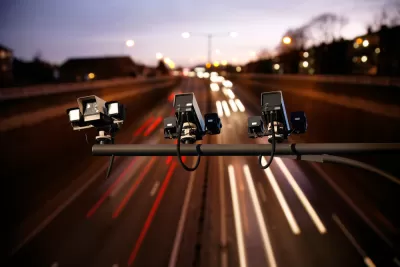
Local leaders in Philadelphia are calling on the state to renew legislation that would allow the city to continue its speed camera program, which the city says reduced speeding violations by 93 percent, writes Beccah Hendrickson for ABC 6. “The city also argues the cameras are making the boulevard safer. In 2019, there were 510 crashes along the road, which dropped to 360 in 2020 after the cameras were installed.”
Critics of the program say the cameras unfairly cite drivers and put a burden on low-income residents, but city leaders want to install them on more streets. The program has collected $22.8 million in fines since 2020.
Speed cameras have proven to be a divisive issue among traffic safety advocates, residents, and policymakers. While some argue that automated enforcement improves safety and reduces the need for personal interactions between drivers and law enforcement, others say they unfairly target communities of color and put undue financial burdens on residents who can become trapped in a cycle of debt. Others have pointed out that results from speed camera programs correlate with infrastructure—that is, communities that lack safe crosswalks, sidewalks, and traffic calming measures are likely to see more speeding tickets, highlighting a need for more robust and equitable investment in road safety projects.
FULL STORY: Philadelphia officials say speed camera pilot program on Roosevelt Boulevard is working

Making Traffic Camera Programs Work
Although controversial in the United States, when deployed thoughtfully, automated enforcement can save lives and make roads safer for all users.
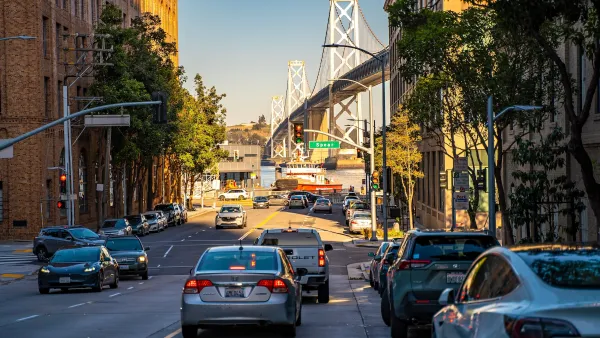
After San Francisco installed traffic cameras, speeding dropped by 80%
The city was allowed to install speed cameras as part of a five-year pilot program approved by California in 2023.
USDOT Blocks Federal Funding for Traffic Cameras
Applicants to the Safe Streets and Roads for All grant program will not be allowed to use funds for automated traffic enforcement.

Planetizen Federal Action Tracker
A weekly monitor of how Trump’s orders and actions are impacting planners and planning in America.

The state-sanctioned urbicide of Austin
People don’t kill cities. Freeways do.

US to reduce Colorado River water deliveries to Mexico
A new Colorado Treaty amendment reduces Mexico’s Colorado River water allocation by 250,000 acre feet.

5 New England states march closer to 800 megawatt wind energy project
Securing federal approval for the project may be complicated under the Trump administration, which has historically been hostile towards domestic wind power.

Baltimore to break ground on $50 million Transit Priority Project
The project will bring faster bus trips, safer streets and better bike connections to Baltimore.

Airbnb launches $250 million 'last-dollar financing' housing accelerator, makes first investment in Austin
The company will put $6.4 million towards affordable housing development in Texas’ capital.

FREE Course: Walkable City 1: Why Walkability?
After describing his path towards focusing on walkability as the essence of good planning, Jeff Speck marches through his five principal reasons for making more walkable places.
Reinventing Malls: Planning Alchemy—Turning Gray Fields Into Gold
The course focuses on the opportunities and imperatives that shape reinvention of mall sites.

Eagle County Government
Harvard University Graduate School of Design
Nashville Planning Department
The Architects Foundation
University of Cincinnati Online
The Pocatello Development Authority
The Urban Renewal Agency of the City of Pocatello
Journal of the American Planning Association