The Los Angeles City Council recently approved an ordinance giving the Santa Monica Mountains Conservancy first right of refusal to purchase any surplus hillside land owned by the city so it can be preserved.


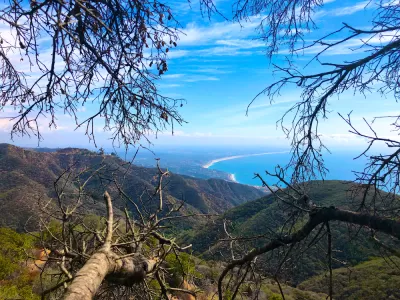
A few weeks ago, the Los Angeles City Council voted unanimously to approve an ordinance to ensure that the Santa Monica Mountains Conservancy (SMMC) have the first right of refusal on hillside land sale offers for conservation at the City of Los Angeles’ purchase price plus any administrative and management costs incurred by the City. After two years, SMMC will have an additional re-offer option if the land sale is not completed and is offered again to new buyers.
In 2008-2009, Los Angeles Mayor Antonio Villaraigosa initiated the “Own A Piece of LA” program to itemize, account for, and offer undevelopable slivers of city surplus land and/or remnant parcels to adjoining neighbors since they are deemed incapable of independent development and can only be of use to adjacent property owners. However, with advanced engineering innovations in recent decades, development in sensitive ecological areas has increased, resulting in the fragmentation and degradation of essential remaining wildlife habitat connectivity and corridors, particularly in the Santa Monica Mountains Zone which is home to the Southern California subpopulation of the Mountain Lion. Local mountain lions are now a “candidate” species under consideration for listing as “threatened” under the California Endangered Species Act (CESA) by the California Department of Fish and Wildlife (CDFW).
Los Angeles is located in a global biodiversity hotspot called the California Floristic Province, which means that it includes over 1,500 endemic plant species, that at least 70 percent of the area’s original habitat has been lost, and that the rest is endangered by human activities. Much of the remaining biodiversity within Los Angeles is located in the mountains and hillsides. Plants and animals need these interconnected ecosystems to continue to exist and flourish within this urban context and this biodiversity hotspot is jeopardized by increased development and habitat fragmentation.
Read the full story: City hopes to preserve more hillside land for conservation

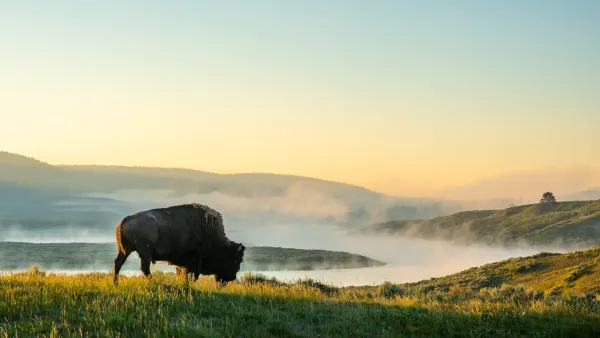
Trump administration orders the removal of 900 bison from public land near Yellowstone
The action marks a drastic shift in wildlife management policy for the Yellowstone-adjacent bison herd.
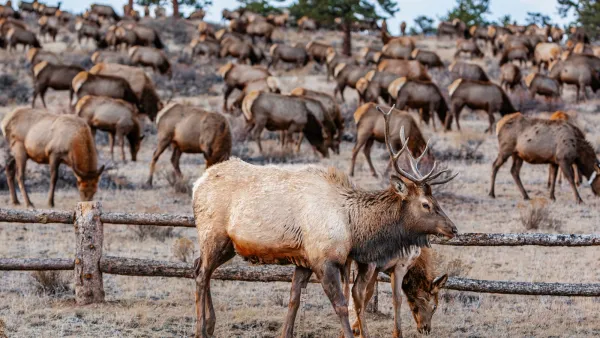
Colorado oil and gas land lease on public land could imperil nation's largest elk herd
The federal government approved the largest land lease to oil and gas interests in Colorado history.

Colorado creates wildlife crossings fund
Residents will have the option to add $5 to their car registration to fund infrastructure that prevents wildlife-vehicle collisions.

Planetizen Federal Action Tracker
A weekly monitor of how Trump’s orders and actions are impacting planners and planning in America.

Colorado’s Largest Data Center Could Rise Next to Homes — Without a Public Hearing
The proposed campus would consume 11 times the power of Denver International Airport; as it has across the country, opposition mounts.

US to reduce Colorado River water deliveries to Mexico
A new Colorado Treaty amendment reduces Mexico’s Colorado River water allocation by 250,000 acre feet.

'This is going to be painful:’ Virginia stares down $1.7 billion funding gap for highway maintenance
The state may address the deficit by shifting $290 million from its construction budget to maintenance projects.
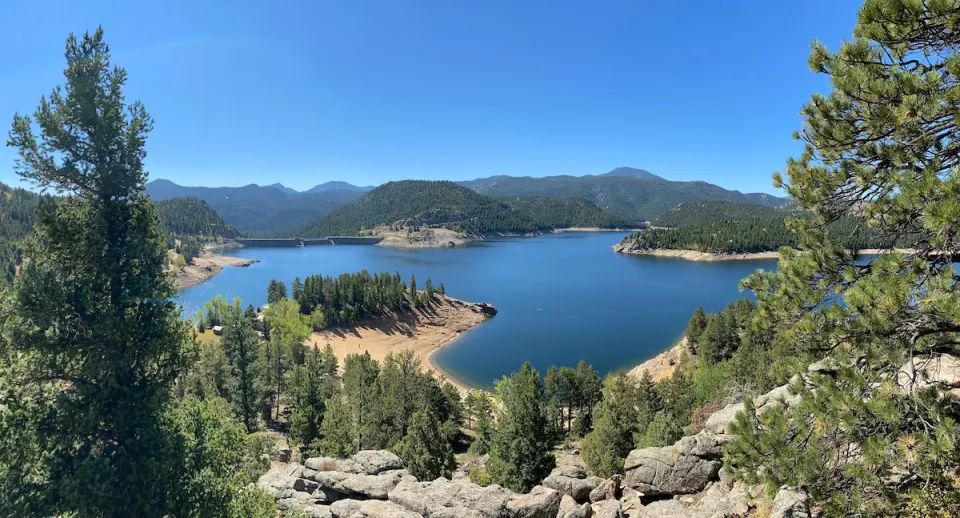
Judges permit Denver to divert 77,000 acre feet from the Colorado River for reservoir expansion
Overuse and climate change have caused the Colorado River’s water levels to plummet.

Amtrak, CN end decades-long dispute with eight-year agreement
The new operating agreement establishes an updated framework for the companies to work together, including processes to resolve disputes.

FREE Course: Walkable City 1: Why Walkability?
After describing his path towards focusing on walkability as the essence of good planning, Jeff Speck marches through his five principal reasons for making more walkable places.
Reinventing Malls: Planning Alchemy—Turning Gray Fields Into Gold
The course focuses on the opportunities and imperatives that shape reinvention of mall sites.

KFH Group Inc.
Greater Baltimore Committee
Eagle County Government
The Architects Foundation
University of Cincinnati Online
The Pocatello Development Authority
The Urban Renewal Agency of the City of Pocatello