Residents will have the option to add $5 to their car registration to fund infrastructure that prevents wildlife-vehicle collisions.


Colorado Governor Jared Polis signed a bill that creates an optional fund that drivers can pay into to fund wildlife crossings, reports Bryce Patterson for KKTV11.
The law, SB26-141, institutes an optional $5 fee drivers can add to their vehicle registration which will fund wildlife crossing infrastructure. According to bill sponsor Dylan Roberts, "This infrastructure is proven to reduce collisions with wildlife, protect humans and animals, and save drivers money. I’m proud to sponsor this bipartisan solution to create a sustainable, voluntary funding source that will make our roads safer, especially in rural Colorado."
According to a press release from Pew praising the move, the total estimated cost of wildlife-vehicle collisions in Colorado is $321 million, higher than in any other western state. Pew estimates that the fee will raise over $4 million each year.
FULL STORY: Polis signs wildlife crossings bill

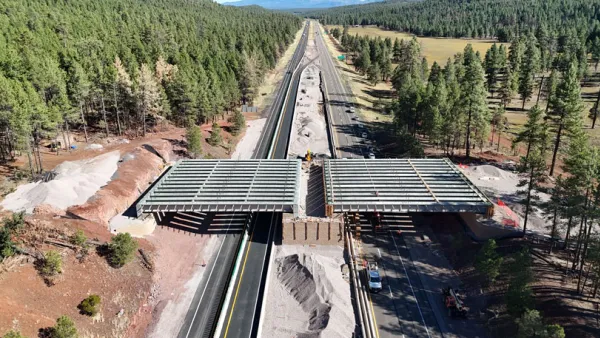
Arizona emerges as national leader in wildlife crossings
Arizona has been building bridges to prevent wildlife-vehicle collisions at various hotspots throughout the state.
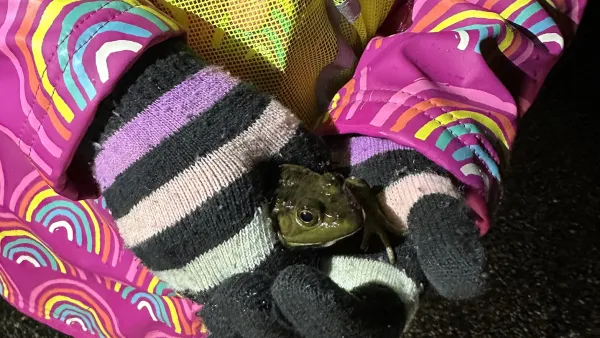
Once a year, Maine roads become highways for amphibians
The 'Big Night' brings out volunteers to help frogs, salamanders, and other migrating amphibians cross roads to reach their breeding grounds.
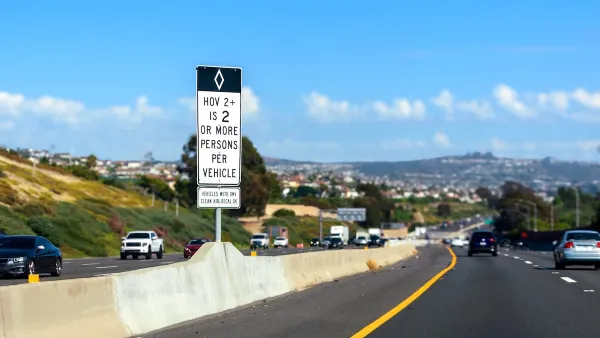
September Must-Reads: Top 10 Articles From Last Month
EV drivers can no longer use carpool lanes alone, Bay Area transit is saved — for now — by a $750 million loan, and a Florida commuter rail line loses its state subsidy, jeopardizing its future.

The state-sanctioned urbicide of Austin
People don’t kill cities. Freeways do.

US to reduce Colorado River water deliveries to Mexico
A new Colorado Treaty amendment reduces Mexico’s Colorado River water allocation by 250,000 acre feet.

New Jersey’s second-largest city bans standalone data centers
Jersey City will continue to allow co-location facilities, such as those meant for research institutions that store their own data.

Amtrak not solely to blame for New Jersey commuter rail's unreliability, report finds
A new study from the Garden State Initiative found that NJ Transit’s budget grew 20% across a 4 year period, but reliability declined significantly over the same period.

EPA erases limits on planet-warming pollution from power plants
Under Monday’s plan, power plants would still have some limits on how much mercury, arsenic and other contaminants they can emit.

Phoenix announces new on-demand transit service, more frequent RAPID buses
Both new services will launch in October, and are part of Phoenix's Project Effective Access Solutions for Easing Congestion.

FREE Course: Walkable City 1: Why Walkability?
After describing his path towards focusing on walkability as the essence of good planning, Jeff Speck marches through his five principal reasons for making more walkable places.
Reinventing Malls: Planning Alchemy—Turning Gray Fields Into Gold
The course focuses on the opportunities and imperatives that shape reinvention of mall sites.

.JPG)
Eagle County Government
Harvard University Graduate School of Design
Nashville Planning Department
The Architects Foundation
University of Cincinnati Online
The Pocatello Development Authority
The Urban Renewal Agency of the City of Pocatello
Journal of the American Planning Association