Research from late 2021 documented the footprint of urban gardens in Detroit, finding evidence of inequities but not gentrification.


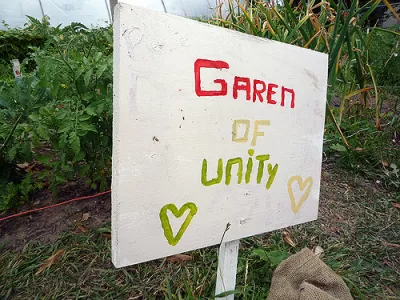
Pat Batcheller reports for WDET about research published in fall 2021 finding that urban gardens in Detroit don’t cause gentrification. Urban gardens do, however, tend to be found in more affluent neighborhoods, contributing to inequities in the city.
The research, published in the September issue of the journal Landscape and Urban Planning, used remote sensing, satellite imagery, and Google Streetview to locate 600 home and community gardens around the city, according to Batcheller.
“The study says that while urban gardens offer many benefits, they’re unequally distributed. That surprised [research co-author Jason Hawes] and his colleagues because Black Detroiters have led the urban gardening movement,” writes Batcheller.
What the research did not find is evidence that gardens contribute to gentrification. “Hawes says property values across the city are neither stable enough nor high enough to be affected by urban gardens,” reports Batcheller. “Instead, what they’re seeing is that as new folks come to town who are attracted to urban gardening, they’re reshaping the landscape by building new gardens, but not necessarily displacing people in communities that already had gardens.”
Read the full story: Urban gardens don’t lead to gentrification in Detroit, study says

Community Gardens and Farms as Detroit Renewal Tools
As the city of Detroit struggles with population loss and dwindling industrial jobs, farms and community gardens offer the city a positive nudge.
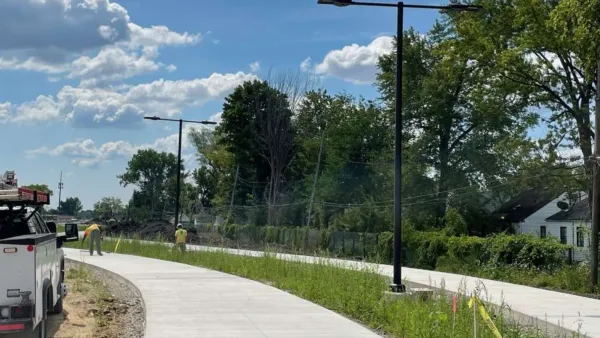
Detroit greenway brings revival — and fears of displacement
The planned Joe Louis Greenway is already bringing change to the neighborhoods near it.
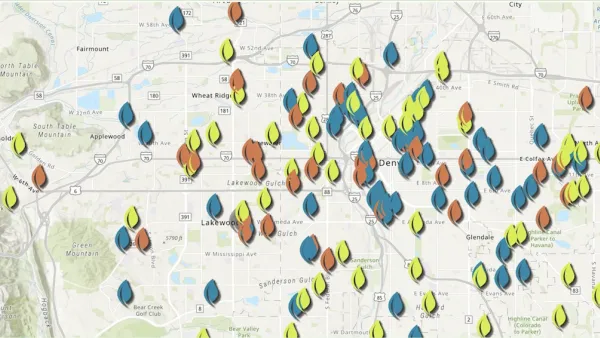
Denver, Colorado Bursts with Dozens of 'Food Forests'
Denver Urban Gardens is building green spaces that clean the air and offer free, fresh fruit to neighbors.

Planetizen Federal Action Tracker
A weekly monitor of how Trump’s orders and actions are impacting planners and planning in America.

California plans to bury El Niño’s downpour
If the state plays its cards right, it may be able to store a billion acre-feet of El Niño’s water in aquifers.

Desperate measures: Advocates weigh draining Lake Powell to fill Colorado River
Draining the reservoir could reduce evaporation losses by a couple hundred thousand acre-feet.

California city breaks ground on transit connector
The project includes three mobility hubs and a pedestrian bridge.

After public outcry, Massachusetts city releases housing development tracker
Cambridge’s tracker currently shows 250 housing projects in various stages of development.

40 years after approval, Chicago breaks ground on new park
The park honors Jean Baptiste Point du Sable, the city’s first permanent non-native settler.

FREE Course: Walkable City 1: Why Walkability?
After describing his path towards focusing on walkability as the essence of good planning, Jeff Speck marches through his five principal reasons for making more walkable places.
Reinventing Malls: Planning Alchemy—Turning Gray Fields Into Gold
The course focuses on the opportunities and imperatives that shape reinvention of mall sites.

City of Rosemead
Rutgers University, Edward J. Bloustein School of Planning and Public Policy
One Hundred Miles
Hunter College, City University of New York (CUNY)
The Architects Foundation
University of Cincinnati Online
City of Cambridge
Montrose County
The Pocatello Development Authority