After complaints from a seniors-only development that saw a sharp rise in rents in recent months, Torrance will consider an ordinance limiting rent increases for mobile home park residents.


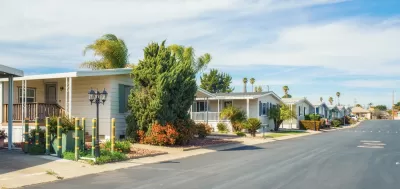
The Southern California city of Torrance will consider rent stabilization for mobile home parks, reports Kristy Hutchings. The decision comes “after months-long calls to do so from residents of a seniors-only complex that’s faced more than 15% increases in rent for lots within six months.”
The city directed staffers to draft an ordinance “that will largely mirror state Assembly Bill 1482, which imposes percentage caps on annual rent increases for residential properties.” The ordinance would “also help stabilize mobile home parks to avoid turnover and prevent tenants from being displaced because of rent spikes, according to city officials.”
“The city’s SRSO will have to cover when the proposed ordinance would go into effect, how much annual space rents can increase, fair return rent increases, exemptions and waivers, timing of rent increases, the appeal process, and enforcement.” The ordinance would also require the creation of a commission to review applications and “provide the landlord due process to apply for variances or exceptions, ensure that the stabilized rent rates still provide mobile home park owners a reasonable rate of return on their documented investments into the park, and create a process for mobile home tenants to seek relief/remedy under the ordinance.”
Residents of mobile home parks around the country, many of whom are low-income seniors, are facing rising rents and threats of eviction as more investors eye the properties as profitable acquisitions.
FULL STORY: Torrance to consider implemented rent stabilization ordinance for mobile home parks

Protecting America’s Manufactured Housing
Governments at all levels are finally waking up to the benefits of protecting and encouraging the production of factory-built homes, which offer an affordable, efficient form of housing that many Americans depend on.
The Housing Crisis in America’s Mobile Home Parks
With demand surging and rent costs rising sharply, mobile home parks are becoming unaffordable for their most vulnerable residents.
Mobile Home Residents Face Rising Displacement Threat
As investors continue to eye mobile home parks as a profitable opportunity, current residents, many elderly and low-income, face steep rent hikes and possible eviction.

Planetizen Federal Action Tracker
A weekly monitor of how Trump’s orders and actions are impacting planners and planning in America.

The state-sanctioned urbicide of Austin
People don’t kill cities. Freeways do.

US to reduce Colorado River water deliveries to Mexico
A new Colorado Treaty amendment reduces Mexico’s Colorado River water allocation by 250,000 acre feet.

Mamdani overhauls NYC's Vision Zero plan with 100 new policy goals
The overhaul aims to reduce traffic deaths and make streets safer for pedestrians, cyclists and drivers through lower speed limits, new safety infrastructure and more.

Amtrak not solely to blame for New Jersey commuter rail's unreliability, report finds
A new study from the Garden State Initiative found that NJ Transit’s budget grew 20% across a 4 year period, but reliability declined significantly over the same period.

EPA erases limits on planet-warming pollution from power plants
Under Monday’s plan, power plants would still have some limits on how much mercury, arsenic and other contaminants they can emit.

FREE Course: Walkable City 1: Why Walkability?
After describing his path towards focusing on walkability as the essence of good planning, Jeff Speck marches through his five principal reasons for making more walkable places.
Reinventing Malls: Planning Alchemy—Turning Gray Fields Into Gold
The course focuses on the opportunities and imperatives that shape reinvention of mall sites.

Eagle County Government
Harvard University Graduate School of Design
Nashville Planning Department
The Architects Foundation
University of Cincinnati Online
The Pocatello Development Authority
The Urban Renewal Agency of the City of Pocatello
Journal of the American Planning Association