A new book argues in favor of spontaneous, informal natural spaces.


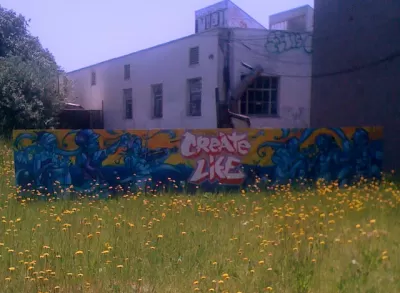
Bloomberg CityLab's Linda Poon interviews Matthew Gandy, author of Natura Urbana: Ecological Constellations in Urban Space. The book "explores the longstanding cultural and scientific fascination" with "the 'unintentional nature' that springs up in urban spaces and is often neglected by humans." Inspired by an "accidental garden" that sprung up in a bombed-out lot in his inner London neighborhood, Gandy makes the argument that liminal, marginal, 'accidentally natural' spaces in cities "not only serve as mini laboratories for studying urban biodiversity, but can also reveal as much about a city’s history and political tensions as ruins, or the intentionally built environment."
Gandy also highlights the importance of nature in central cities as an equity issue:
Poor neighborhoods or ethnic minority neighborhoods in cities are often much more poorly served by access to parks and public space than richer neighborhoods. And for people of color, some parks and public spaces do not feel very safe or welcoming, and often this is even more the case if people travel outside of cities to rural or non-metropolitan spaces of nature. Therefore, urban nature in the heart of the city is much more open to a diverse public.
A critical analysis of the human-nature relationship is urgently needed, says Gandy. "[S]ince more than half the global population now live in cities, if we don’t have a better relationship with and understanding of urban nature, how will we build different responses to environmental questions more generally?"
Read the full story: The Case for Preserving Spontaneous Nature in Cities

Study: How Urban Parks Can Support Biodiversity
Conservation and recreation can go hand in hand in urban green spaces designed to serve both humans and local wildlife.
How Community Science Connects People, Parks, and Biodiversity
Community science engages people of all backgrounds in documenting local biodiversity, strengthening connections to nature, and contributing to global efforts like the City Nature Challenge to build a more inclusive and resilient future.
Houston Residents Want to Build Pocket Parks on City-Owned Lots
In a park-poor neighborhood, vacant lots provide an untapped opportunity for small-scale parks.

Planetizen Federal Action Tracker
A weekly monitor of how Trump’s orders and actions are impacting planners and planning in America.

The state-sanctioned urbicide of Austin
People don’t kill cities. Freeways do.

Colorado’s Largest Data Center Could Rise Next to Homes — Without a Public Hearing
The proposed campus would consume 11 times the power of Denver International Airport; as it has across the country, opposition mounts.
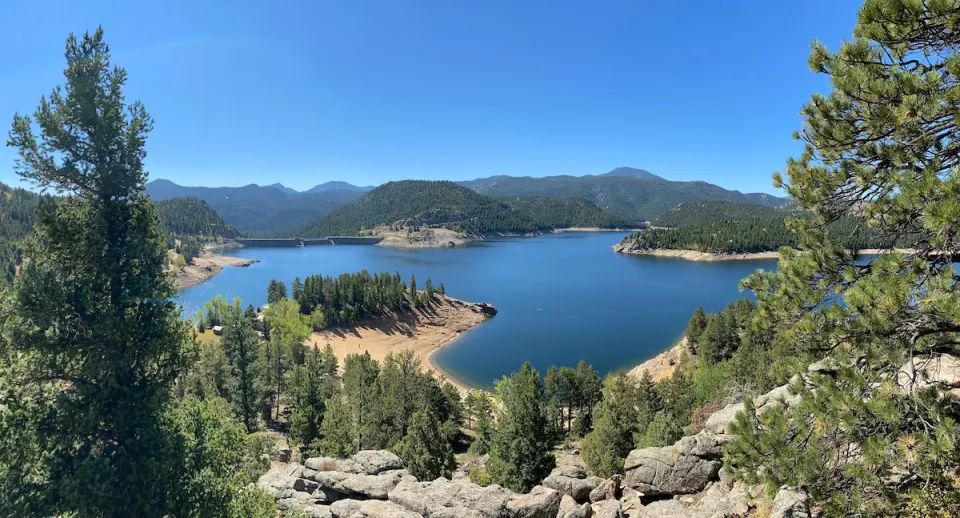
Judges permit Denver to divert 77,000 acre feet from the Colorado River for reservoir expansion
Overuse and climate change have caused the Colorado River’s water levels to plummet.
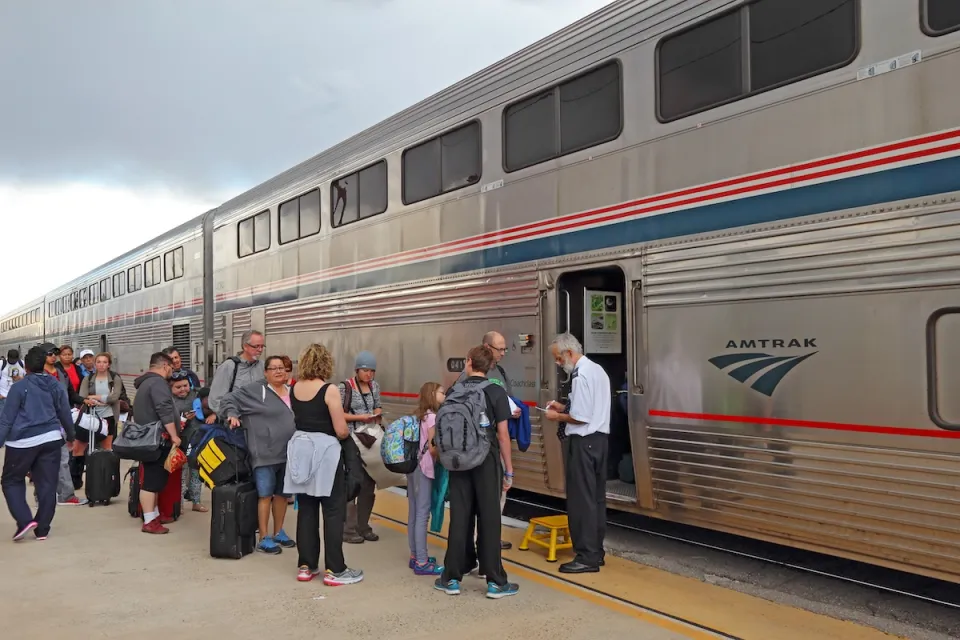
Amtrak, CN end decades-long dispute with eight-year agreement
The new operating agreement establishes an updated framework for the companies to work together, including processes to resolve disputes.
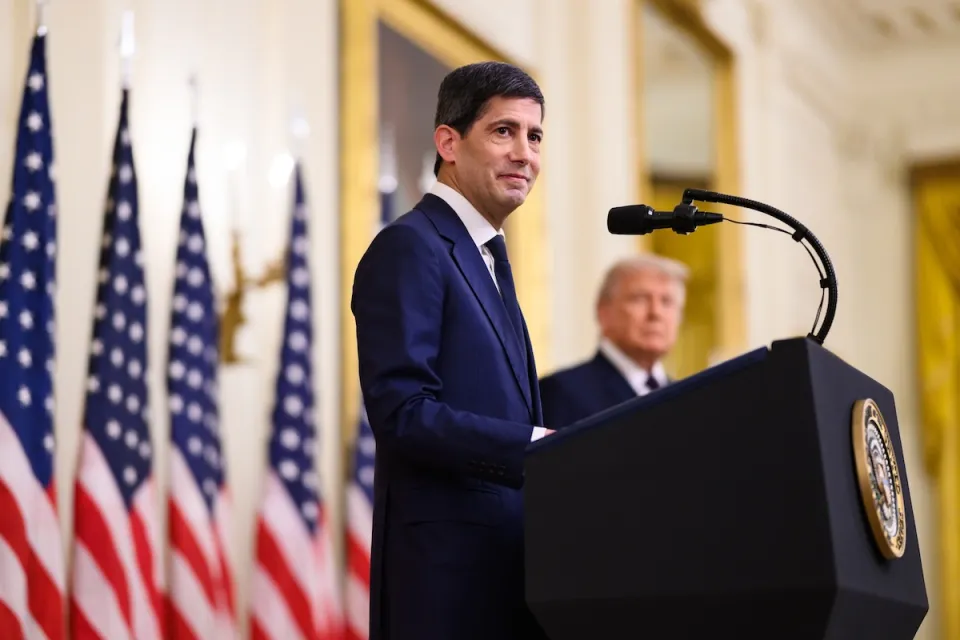
Raised interest rates may kill financially vulnerable construction projects
The chief economist at ConstructConnect warns that if construction project owners are negatively impacted by the raised rates, it could result in delayed payments to contractors.

FREE Course: Walkable City 1: Why Walkability?
After describing his path towards focusing on walkability as the essence of good planning, Jeff Speck marches through his five principal reasons for making more walkable places.
Reinventing Malls: Planning Alchemy—Turning Gray Fields Into Gold
The course focuses on the opportunities and imperatives that shape reinvention of mall sites.

KFH Group Inc.
Greater Baltimore Committee
Eagle County Government
The Architects Foundation
University of Cincinnati Online
The Pocatello Development Authority
The Urban Renewal Agency of the City of Pocatello