Cities like Spokane, Washington courted new residents and businesses during the pandemic. Now, they're starting to wonder if it was worth it.


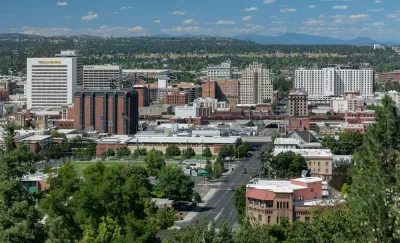
As housing prices continue to soar across the country and remote workers seek out new communities to buy homes and settle in, affordability is becoming an urgent issue in more and more small towns.
This is quickly becoming the case in Spokane, Washington, reports Conor Dougherty for The New York Times, where home prices rose by 60 percent in the last two years. A report commissioned by the Spokane Association of Realtors "warned of 'significant social implications' if the city doesn’t tackle housing. The issues included young families not being able to buy or taking on excessive debt, small businesses not being able to hire, difficulty keeping young college graduates in town."
Being an 'it' place was something Spokane’s leaders had long hoped for. The city and its metropolitan region have spent decades trying to convince out-of-town professionals and businesses that it would be a great place to move. Now their wish has been granted, and the city is grappling with the consequences.
While many small towns purposely tried to attract new residents and businesses at the start of the pandemic, they have quickly realized that increased migration has created intense competition for housing stock and raised costs to the extent that local workers have a hard time finding affordable housing in their communities, with no solution in sight.
As Dougherty writes, "No matter how many times it happens, no matter how many cities and states try to blunt it with recommendations to build more housing and provide subsidies for those who can’t afford the new stuff, no matter how many zoning battles are fought or homeless camps lamented, no next city, as of yet, seems better prepared than the last one was."
FULL STORY: The Next Affordable City Is Already Too Expensive

Pennsylvania Housing Action Plan Calls for $1B Fund, Expanded Renter Protections, Homebuyer Assistance
Gov. Shapiro’s proposed plan would bolster support for renters and homebuyers and reduce barriers to housing development.
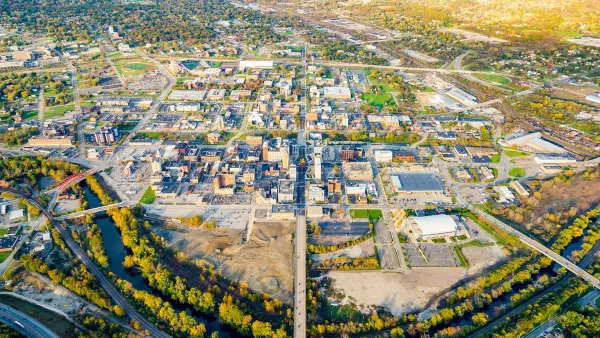
Only Two US Metro Areas Are Affordable for Homebuyers
Northeast Ohio is the last remaining bastion of housing affordability, according to an analysis from the National Association of Realtors.

How 3D-Printing Can Make Housing More Affordable
Habitat for Humanity is working with 3D-printers to reduce the costs of construction and provide more housing for families in need.

Planetizen Federal Action Tracker
A weekly monitor of how Trump’s orders and actions are impacting planners and planning in America.

The state-sanctioned urbicide of Austin
People don’t kill cities. Freeways do.

US to reduce Colorado River water deliveries to Mexico
A new Colorado Treaty amendment reduces Mexico’s Colorado River water allocation by 250,000 acre feet.

Mamdani overhauls NYC's Vision Zero plan with 100 new policy goals
The overhaul aims to reduce traffic deaths and make streets safer for pedestrians, cyclists and drivers through lower speed limits, new safety infrastructure and more.

Amtrak not solely to blame for New Jersey commuter rail's unreliability, report finds
A new study from the Garden State Initiative found that NJ Transit’s budget grew 20% across a 4 year period, but reliability declined significantly over the same period.

EPA erases limits on planet-warming pollution from power plants
Under Monday’s plan, power plants would still have some limits on how much mercury, arsenic and other contaminants they can emit.

FREE Course: Walkable City 1: Why Walkability?
After describing his path towards focusing on walkability as the essence of good planning, Jeff Speck marches through his five principal reasons for making more walkable places.
Reinventing Malls: Planning Alchemy—Turning Gray Fields Into Gold
The course focuses on the opportunities and imperatives that shape reinvention of mall sites.

Eagle County Government
Harvard University Graduate School of Design
Nashville Planning Department
The Architects Foundation
University of Cincinnati Online
The Pocatello Development Authority
The Urban Renewal Agency of the City of Pocatello
Journal of the American Planning Association