Trees are vanishing from the San Jose, California cityscape. The city has a plan to reverse the damage, but significant challenges stand in the way of progress.


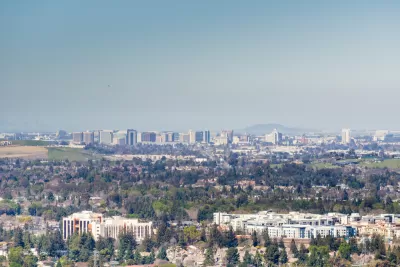
Maggie Angst reports for The Mercury News on the declining state of the San Jose's tree canopy. Between 2008 and 2012, the city lost 1.8% of its trees.
"That percentage may seem small, but consider that it represents 1,728 acres of public and backyard trees, or the equivalent of 2.7 square miles, according to a recent analysis by the U.S. Forest Service," according to Angst.
With the loss, San Jose lags significantly behind other cities in the percentage of its city covered by shade, with only 13.5%. By comparison, 28% of Seattle is covered by trees, 27% of Boston, and 40% of Pittsburgh, according to numbers reported in the source article.
The city cannot lay blame for the decline of the city's tree canopy, according to San Jose City Arborist Russell Hansen, who is cited in the source article. "[P]otential explanations run the gamut from climate change to drought to removal for property development to poor maintenance to insufficient planting."
The dire statistics about the state of San Jose's tree canopy is reported in context of a new "Community Forest Management Plan" released by the city recently.
The source article, linked below, provides more details on the specific challenges addressed by the plan.
Read the full story: Why are San Jose’s trees disappearing? City loses hundreds of acres each year

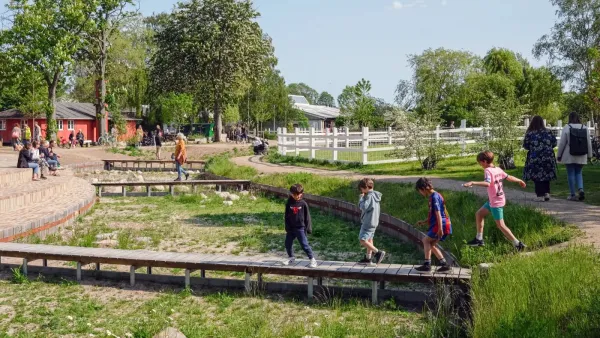
Copenhagen is losing its cool
In a city long designed to maximize light during dark Scandinavian winters, climate change is forcing the Danish capital to rethink its relationship with the sun.
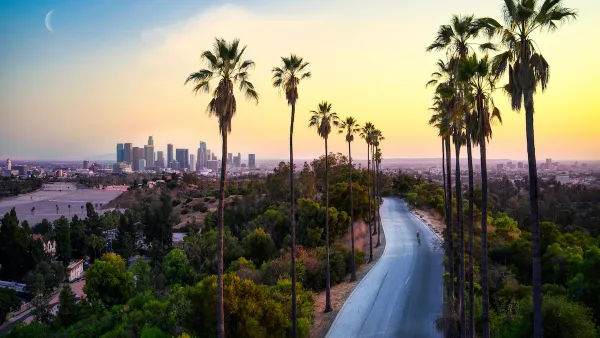
Planting for Change: How Trees Are Powering Climate Action
"Combating Climate Change with Trees" highlights how Southern California communities are strategically planting and nurturing urban forests to cool neighborhoods, improve air quality, and advance environmental justice.
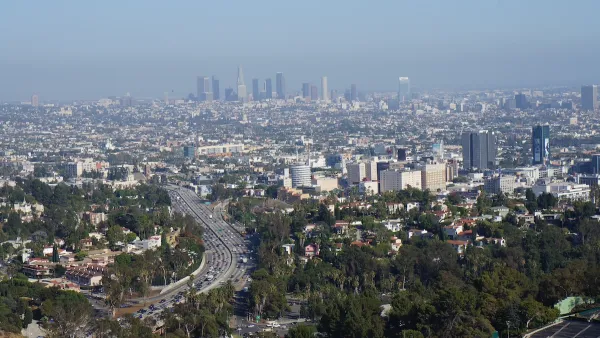
Updating LA’s Tree Rules Could Bring More Shade to Underserved Neighborhoods
A new USC study finds that relaxing Los Angeles’ outdated tree planting guidelines could significantly expand urban tree canopy and reduce shade disparities in lower-income neighborhoods, though infrastructure investments are also needed.

Planetizen Federal Action Tracker
A weekly monitor of how Trump’s orders and actions are impacting planners and planning in America.

Amtrak, CN end decades-long dispute with eight-year agreement
The new operating agreement establishes an updated framework for the companies to work together, including processes to resolve disputes.

Colorado’s Largest Data Center Could Rise Next to Homes — Without a Public Hearing
The proposed campus would consume 11 times the power of Denver International Airport; as it has across the country, opposition mounts.

'This is going to be painful:’ Virginia stares down $1.7 billion funding gap for highway maintenance
The state may address the deficit by shifting $290 million from its construction budget to maintenance projects.

Judges permit Denver to divert 77,000 acre feet from the Colorado River for reservoir expansion
Overuse and climate change have caused the Colorado River’s water levels to plummet.
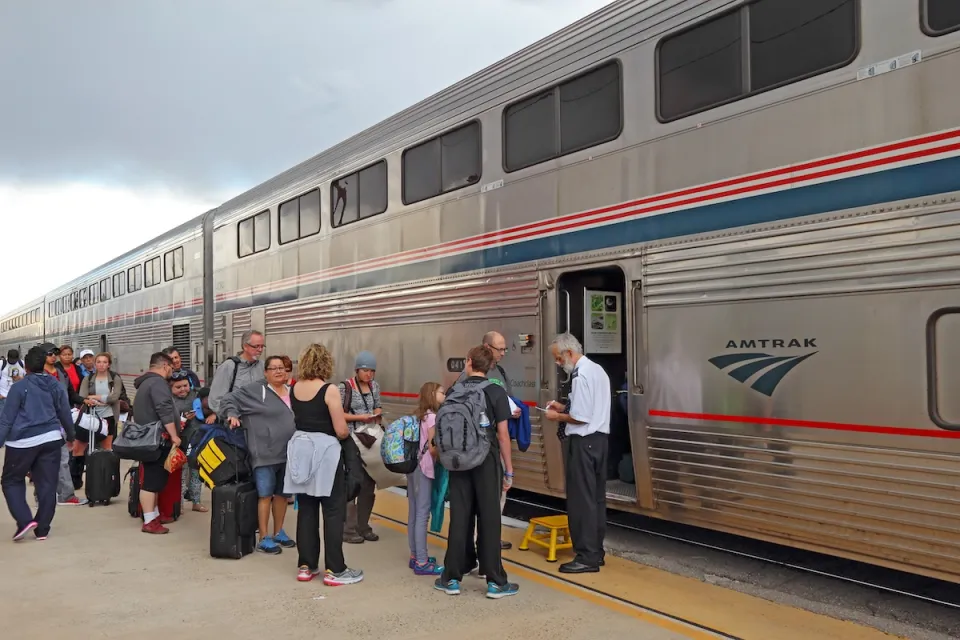
Amtrak, CN end decades-long dispute with eight-year agreement
The new operating agreement establishes an updated framework for the companies to work together, including processes to resolve disputes.

FREE Course: Walkable City 1: Why Walkability?
After describing his path towards focusing on walkability as the essence of good planning, Jeff Speck marches through his five principal reasons for making more walkable places.
Reinventing Malls: Planning Alchemy—Turning Gray Fields Into Gold
The course focuses on the opportunities and imperatives that shape reinvention of mall sites.

KFH Group Inc.
Greater Baltimore Committee
Eagle County Government
The Architects Foundation
University of Cincinnati Online
The Pocatello Development Authority
The Urban Renewal Agency of the City of Pocatello