States increasingly count on toll roads to supplement gas tax revenue, but why does the U.S. still lack national interoperability?


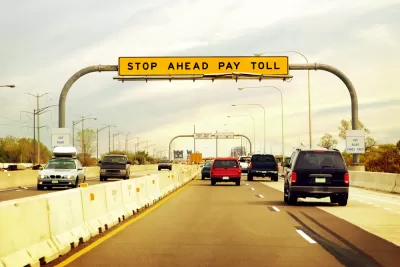
A video from Cheddar News explores the complex road tolling system in the U.S. and explains why, despite a 2012 federal law that requires interoperability between toll systems, we still use dozens of different transponders across the country.
With 130 systems in 34 states, the U.S. toll road system is a popular way for states to supplement road maintenance revenue. First instituted in the mid 1800s, toll roads fell out of favor in the mid-20th century after Congress passed a fuel tax. Later, as more fuel-efficient cars led to less revenue from gas taxes, states once again began building toll roads to increase road maintenance funding.
Because the 2012 law doesn't impose any penalties for not achieving interoperability, states have worked to create regional passes that cover, in some cases, dozens of states, but the U.S. has yet to achieve national interoperability.
Read the full story: Why The US Toll System Is So Complicated

East Coast Prepares to Launch Road Usage Charge 'Mini' Pilot
Delaware and Pennsylvania will join a small, select number of western states that have explored technology to charge drivers by the miles they drive, not the fuel they burn, to fill their transportation budgets in lieu of fuel taxes.
Missouri Lawmakers Hate Tolls
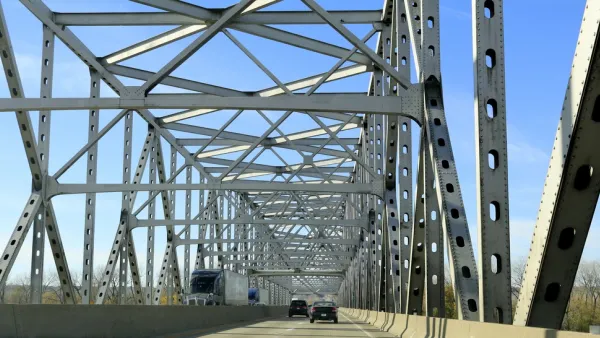
Missouri State Representative Bryan Spencer (R-Wentzville) on tolls: Don't even think about it, Missouri Department of Transportation.
Interstate Tolling, the Third Rail of Transportation User Fees, Finds Fans
Discussion on increasing user fee revenue has centered on increasing and/or indexing the gas tax and applying VMT fees. Now some are pushing a return of the original user fee - road tolls applied by states or regions on interstate highways.

Planetizen Federal Action Tracker
A weekly monitor of how Trump’s orders and actions are impacting planners and planning in America.

Colorado’s Largest Data Center Could Rise Next to Homes — Without a Public Hearing
The proposed campus would consume 11 times the power of Denver International Airport; as it has across the country, opposition mounts.

US to reduce Colorado River water deliveries to Mexico
A new Colorado Treaty amendment reduces Mexico’s Colorado River water allocation by 250,000 acre feet.

Judges permit Denver to divert 77,000 acre feet from the Colorado River for reservoir expansion
Overuse and climate change have caused the Colorado River’s water levels to plummet.
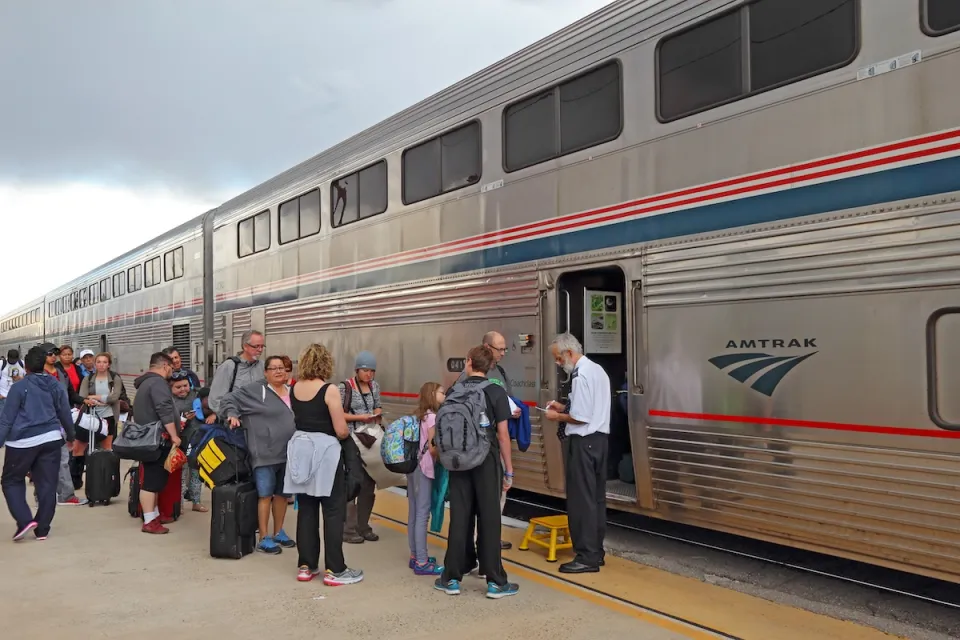
Amtrak, CN end decades-long dispute with eight-year agreement
The new operating agreement establishes an updated framework for the companies to work together, including processes to resolve disputes.
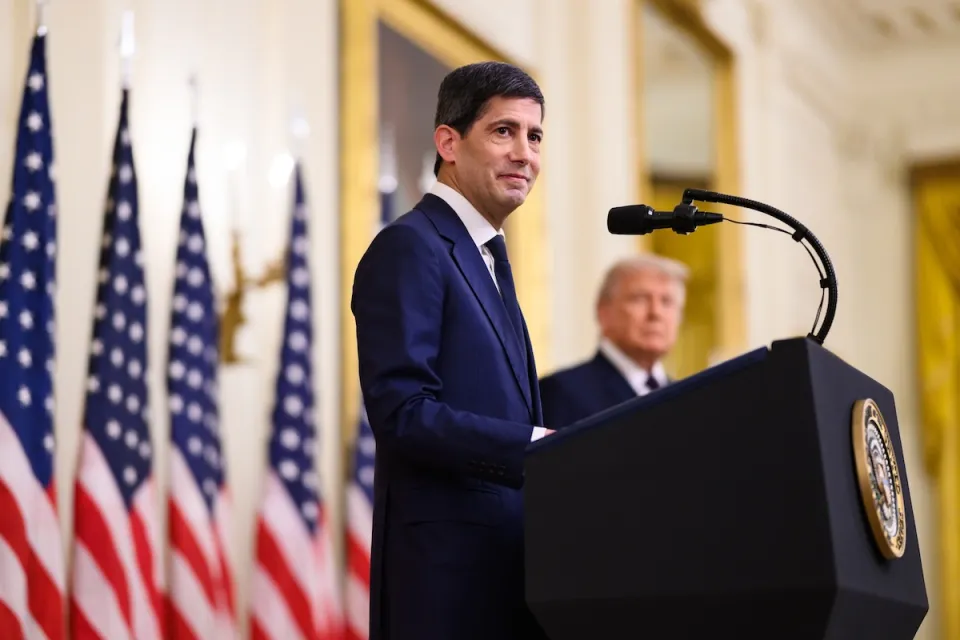
Raised interest rates may kill financially vulnerable construction projects
The chief economist at ConstructConnect warns that if construction project owners are negatively impacted by the raised rates, it could result in delayed payments to contractors.

FREE Course: Walkable City 1: Why Walkability?
After describing his path towards focusing on walkability as the essence of good planning, Jeff Speck marches through his five principal reasons for making more walkable places.
Reinventing Malls: Planning Alchemy—Turning Gray Fields Into Gold
The course focuses on the opportunities and imperatives that shape reinvention of mall sites.

KFH Group Inc.
Greater Baltimore Committee
Eagle County Government
The Architects Foundation
University of Cincinnati Online
The Pocatello Development Authority
The Urban Renewal Agency of the City of Pocatello