A new book spotlights how bird-friendly design makes for healthier and more pleasant cities for all species.


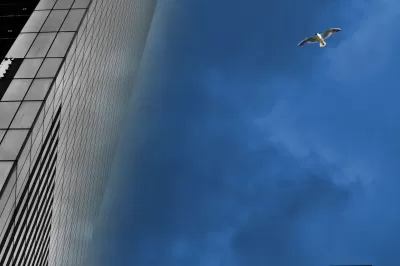
Urban design takes into account many factors, writes Nate Berg, but one author argues a crucial element has been left out of traditional design discussions: the birds.
Up to one billion birds die from collisions with buildings every year, and urban environments are typically hostile to bird populations. In The Bird-Friendly City: Creating Safe Urban Habitats, Timothy Beatley points out all the ways that cities can be more bird-friendly and, he argues, more human-friendly as well. From small tweaks to major design changes, Beatley's book shows how birds and other urban wildlife can be integrated into design choices that make cities healthier for everyone. "Better integrating nature into cities is good for people, but our buildings and cities aren’t always built in a way that’s good for nature." Every urban development project is an opportunity to design with birds in mind. "Beyond just reducing hazards we need to recognize that cities can be a positive force on behalf of birds, and for the conservation of biodiversity more generally."
Abundant bird life, writes Beatley, creates "soul-nourishing cities." To promote environments that are pleasant and nurturing to all species, he recommends minimum standards for biodiversity in all new buildings or developments and suggests replacing our traditional narrow indicators of a city's success with broader goals and metrics that include nature and biodiversity as core values.
FULL STORY: Why cities should be designed for birds

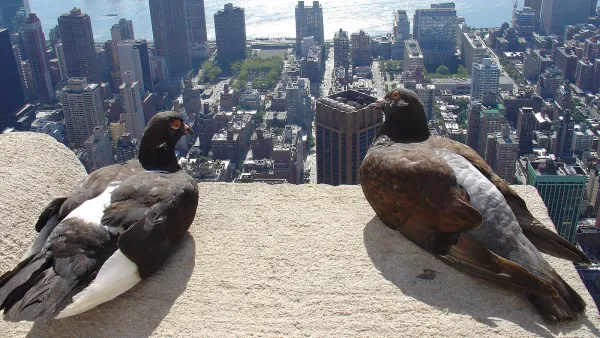
Saving Birds By Design
Reflective glass high-rises kill millions of birds each year, but bird-friendly design can save birds and reduce energy consumption.
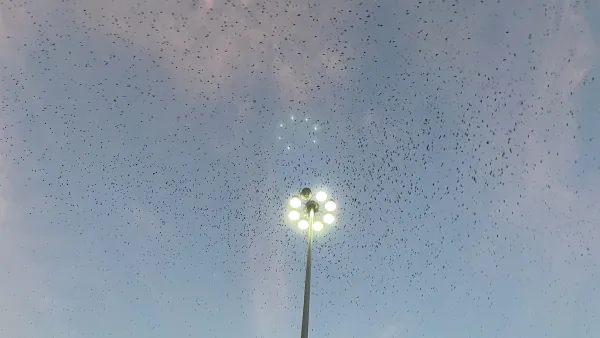
Purple Martins Call Nashville Home. Some Wish They Wouldn't
Each year, the city plays host to hundreds of thousands of birds on their way to and from South America.
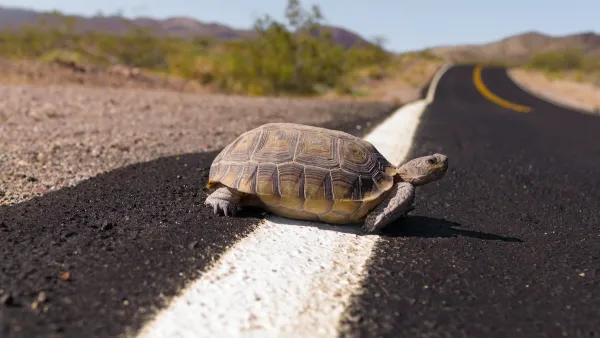
California Room to Roam Act Prioritizes Wildlife Connectivity
A new state law requires new development and infrastructure to minimize disruption to local wildlife habitats and migration patterns.

The state-sanctioned urbicide of Austin
People don’t kill cities. Freeways do.

US to reduce Colorado River water deliveries to Mexico
A new Colorado Treaty amendment reduces Mexico’s Colorado River water allocation by 250,000 acre feet.

New Jersey’s second-largest city bans standalone data centers
Jersey City will continue to allow co-location facilities, such as those meant for research institutions that store their own data.

Amtrak not solely to blame for New Jersey commuter rail's unreliability, report finds
A new study from the Garden State Initiative found that NJ Transit’s budget grew 20% across a 4 year period, but reliability declined significantly over the same period.

EPA erases limits on planet-warming pollution from power plants
Under Monday’s plan, power plants would still have some limits on how much mercury, arsenic and other contaminants they can emit.

Phoenix announces new on-demand transit service, more frequent RAPID buses
Both new services will launch in October, and are part of Phoenix's Project Effective Access Solutions for Easing Congestion.

FREE Course: Walkable City 1: Why Walkability?
After describing his path towards focusing on walkability as the essence of good planning, Jeff Speck marches through his five principal reasons for making more walkable places.
Reinventing Malls: Planning Alchemy—Turning Gray Fields Into Gold
The course focuses on the opportunities and imperatives that shape reinvention of mall sites.

Eagle County Government
Harvard University Graduate School of Design
Nashville Planning Department
The Architects Foundation
University of Cincinnati Online
The Pocatello Development Authority
The Urban Renewal Agency of the City of Pocatello
Journal of the American Planning Association