In California, housing prices have shot up in resort areas like Lake Tahoe and Big Bear and in suburbs like Mountain House and Rancho Cucamonga. Are urbanities fleeing, or are young adults doing what young adults have always done?


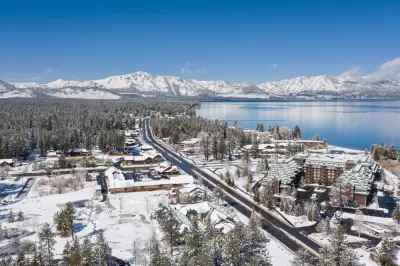
"Ever since cities locked down in order to reduce transmission of the coronavirus, debates have raged over the epidemiological implications of density and, less esoterically, over whether center cities remain can attractive when there’s nothing to do. While many in the state do not have the means to pick and choose exactly where they want to live, the combination of remote work and pandemic ennui has prompted untold numbers of well-off urban Californians to retreat to suburbs and to exurban 'Zoomtowns.'"
"Moreover, according to a recent report by AdvisorSmith, some of the most dramatic increases in rental rates in the nation are in California. Rancho Cucamonga (up 13%) ranks third, Murrieta (11%) ranks eighth, and Chino Hills ranks ninth, with Temecula, Bakersfield, and Fresno also in the top 25. And yet some of the most dramatic reductions in rental rates also are in California. The Bay Area cities of San Francisco, Mountain View, and Sunnyvale rank 4-6, with declines of over 20% each. Eight other Bay Area cities fill out the other 19 spots."
"The much larger question is whether, after younger Californians especially spent so many years living it up in cities center cities, this trend reflects short-term concerns about the virus or long-term preferences. If only the former is true, then newly expensive suburbs and Zoomtowns may be in for a crash whenever urban life returns to normal."
Read the full story: The Rise of Zoomtowns
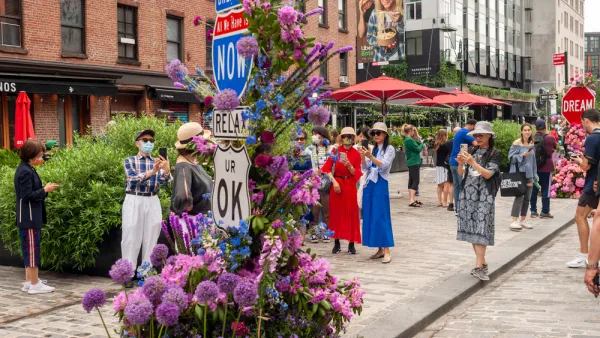
Don't Call it a Comeback: Big Cities Are Outlasting Predictions of Demise
As the new world order of working from home and vaccine hesitancy settles in, it's time to reevaluate assumptions from early in the pandemic about the effect of the public health on the economic health of large cities.
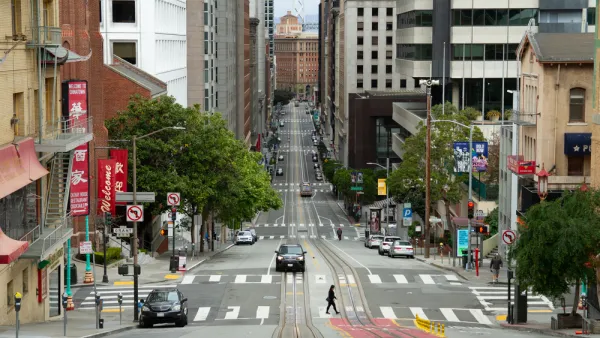
Two Stories From 2020: Which Is True?
Have all cities lost people due to COVID-19, or just a few high-cost ones?
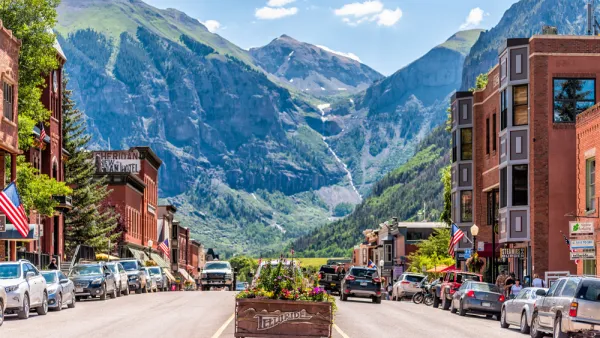
Pandemic Disrupts Ski Town Life in More Ways Than One
The working class that make ski towns run are getting squeezed out of work by public health restrictions while wealthy newcomers push real estate markets to crazy new heights.

Planetizen Federal Action Tracker
A weekly monitor of how Trump’s orders and actions are impacting planners and planning in America.

Eastern Nebraska is running out of electricity
Data centers and electrification are straining eastern Nebraska’s grid, throttling economic development.

Move over, LA: St. Louis gears up for Olympics, invests millions in downtown redevelopment
The Missouri city will host the 2028 Olympic soccer group stage and knockout matches.

Dallas releases zoning code overhaul to officials
The drafted overhaul is over 400 pages long.

NYC renovations for dangerous, ‘mercilessly crammed’ street delayed until 2027
Construction was supposed to begin this fall.

San Diego’s Midway Rising project gets greenlight from city council
The project looks to become the largest affordable housing development in California's history.

FREE Course: Walkable City 1: Why Walkability?
After describing his path towards focusing on walkability as the essence of good planning, Jeff Speck marches through his five principal reasons for making more walkable places.
Reinventing Malls: Planning Alchemy—Turning Gray Fields Into Gold
The course focuses on the opportunities and imperatives that shape reinvention of mall sites.

City of Rosemead
Rutgers University, Edward J. Bloustein School of Planning and Public Policy
One Hundred Miles
University of Michigan School for Environment and Sustainability (SEAS)
Hunter College, City University of New York (CUNY)
The Architects Foundation
City of Cambridge
The Pocatello Development Authority
The Urban Renewal Agency of the City of Pocatello